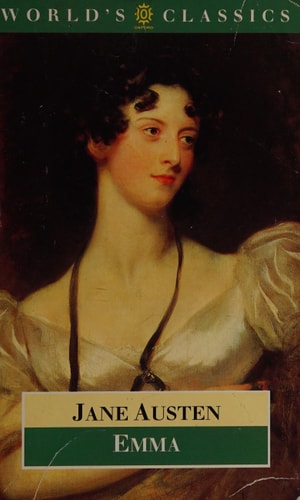
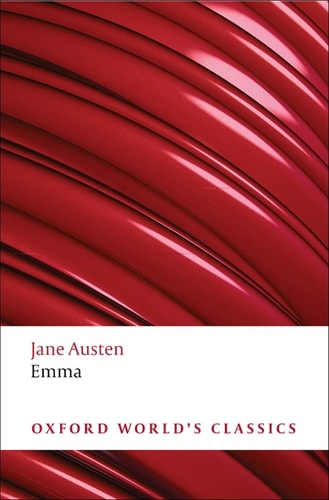
Emma
0
0
As an Amazon Associate and affiliate partner, Menrva Books earns from qualifying purchases. Learn more
Author Description
The village of Highbury provides a splendid setting for the emotional and moral education of Emma Woodhouse, a heroine who, though handsome, clever, and rich, is at fault for thinking a little too well of herself. The last novel which Jane Austen lived to see through press, Emma represents most tellingly the qualities for which Austen is admired--her wit, irony, realism, vivid characterization, moral seriousness, and faultless control of tone and narrative method.
Menrva's Summary
THE PULSE
Emma Woodhouse, a wealthy and self-assured young woman, inadvertently disrupts the social order of her village through her misguided attempts at matchmaking. Convinced of her own superior judgment, Emma ignores the warnings of her friend Mr. Knightley and persists in manipulating the romantic lives of those around her. Her actions lead to a series of social complications that force her to confront her own vanity and lack of insight. The narrative utilizes a third-person limited perspective, focusing closely on Emma's internal thoughts and evolving perceptions of her neighbors.
INSIDE THE PAGES
- Sharp social satire targeting the manners and pretensions of the landed gentry
- Use of free indirect discourse to bridge the gap between narrator and protagonist
- Intricate plotting centered on misunderstandings and social faux pas
- Exploration of class dynamics and the limitations placed on women in the 19th century
- Development of a complex, flawed protagonist who undergoes significant personal growth
- Emphasis on dialogue as a primary vehicle for character revelation
- Realistic portrayal of village life in Highbury
- Examination of the tension between personal autonomy and social obligation
THE COLLECTIVE ECHO
Readers frequently highlight the precision of Austen's wit and the effectiveness of her irony in exposing the protagonist's flaws. Discussion often centers on the gradual shift in Emma's self-awareness as she navigates the consequences of her interference in others' lives. Critics often point to the balance between the lighthearted social comedy and the underlying moral seriousness of the narrative. The pacing is noted for its deliberate focus on character development over external action, which allows for a deep exploration of human behavior. Many readers appreciate the structural integrity of the plot, which rewards careful attention to the subtle shifts in social relationships throughout the story.
Page Count:
482
Publication Date:
1996-01-01
Publisher:
Oxford University
ISBN-10:
0192827561
ISBN-13:
9780192827562
Romance
Satire
classic
Emma Woodhouse Fictitious character
Young women
Historical
Great Britain
Social Commentary
England
Community Tags
Other Editions(34)
Independently Published
2022
Default edition
Independently Published
2022
Independently Published
2021
Independently Published
2021
Independently Published
2021
Independently Published
2021
Independently Published
2021
Independently Published
2021
Independently Published
2021
Independently Published
2020
Independently Published
2020
Independently Published
2020
Independently Published
2020
Independently Published
2019
Independently published
2019
Independently Published
2019
Independently Published
2018
Oxford University Press España, S.A.
2016
Oxford University Press
2010
General Books LLC
2010

General Books LLC
2009
Recorded Books, Inc.
2009
Oxford University Press
2008

Oxford University Press
2008

Oxford University Press
2005
Recorded Books, Inc.
2003
Oxford University Press
1999
Oxford University
1996
Oxford University Press
1980
Oxford University Press
1975
Oxford University Press
1971
Oxford University Press
1933
Huge Print Press
1900
Oxford University Press
1900
Similar Books

Reader Comments
Share Your Thoughts
No comments yet. Be the first to share your thoughts!