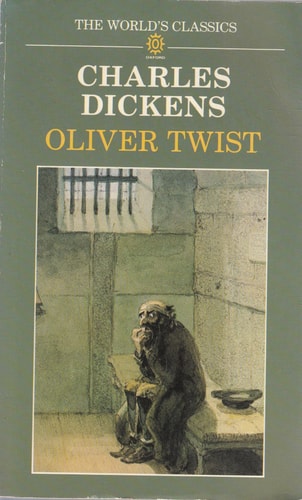
Oliver Twist
0
0
As an Amazon Associate and affiliate partner, Menrva Books earns from qualifying purchases. Learn more
Author Description
A young boy flees from an orphanage to London, only to be captured by thieves.
Menrva's Summary
THE PULSE
After escaping the brutal conditions of a workhouse, young Oliver Twist finds himself ensnared in the criminal underworld of Victorian London. Oliver navigates a landscape defined by extreme poverty, institutional cruelty, and the stark divide between the destitute and the wealthy. His objective is to secure a stable life and uncover the truth of his parentage, while he is constantly pursued by the manipulative Fagin and the violent Bill Sikes. The narrative employs a third-person omniscient perspective to critique the social structures of the era, utilizing a linear progression that contrasts the innocence of the protagonist with the corruption surrounding him.
INSIDE THE PAGES
- Satirical portrayal of the Poor Law and bureaucratic indifference
- Vivid, atmospheric descriptions of London slums and criminal hideouts
- Use of caricature to represent moral archetypes
- Exploration of the influence of environment on character development
- Frequent shifts between dark realism and sentimental melodrama
- Complex, multi-layered plot involving hidden identities and coincidences
- Dialect-heavy dialogue used to distinguish social classes
- Pacing that balances suspenseful criminal escapades with slow-burn character arcs
THE COLLECTIVE ECHO
Readers and critics frequently analyze the work as a foundational critique of the Victorian class system and the failures of the workhouse model. Discussion often centers on the stark contrast between the grim, gritty reality of the London streets and the idealized, moralistic nature of the protagonist. Many highlight the effectiveness of the author's descriptive prose in establishing a sense of place that remains influential in literary history. The balance between social commentary and the pacing of the criminal plot is often noted as a key stylistic feature. Scholars continue to examine how the narrative structure supports the author's broader arguments regarding poverty and institutional reform.
Page Count:
392
Publication Date:
1982-08-26
Publisher:
Oxford University Press
ISBN-10:
0192815911
ISBN-13:
9780192815910
Adventure
Criminals fiction
Social Commentary
classic
Victorian
London England
Historical
Bildungsroman
Community Tags
Other Editions(21)
EdCon Publishing
2023
Default edition
HardPress
2020
HardPress
2020
HardPress
2020
HardPress
2020
Independently Published
2020
Amazon Digital Services LLC - KDP Print US
2019
Independently Published
2019
RUPA PUBLICATIONS INDIA PVT Limited
2015
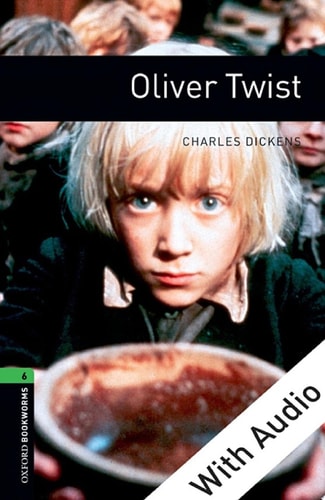
Oxford University Press
2014

Bloomsbury UK
2012
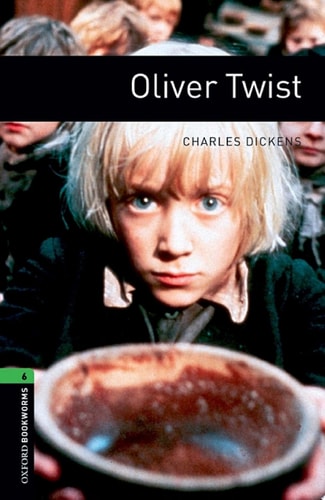
Oxford University Press
2012
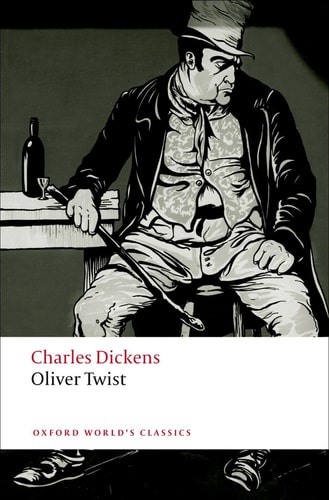
Oxford University Press
2008
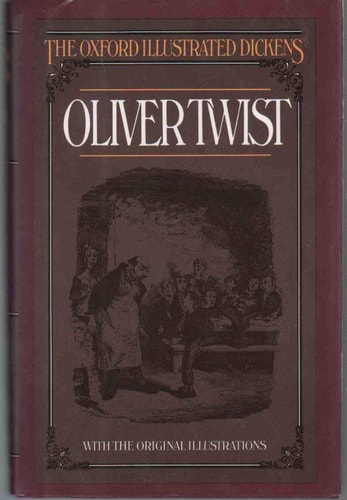
Oxford University Press
1987
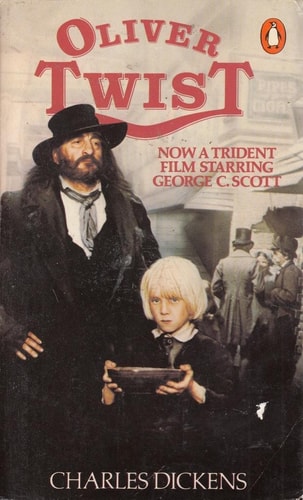
Penguin
1983
Oxford University Press
1982
Oxford University Press
1967
Oxford University Press
1960
Oxford University Press
1947

Wordsworth Editions
1939
1900
Similar Books



Reader Comments
Share Your Thoughts
No comments yet. Be the first to share your thoughts!