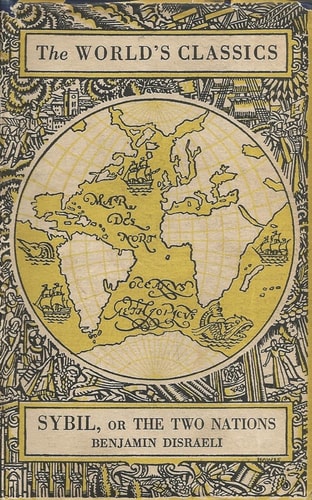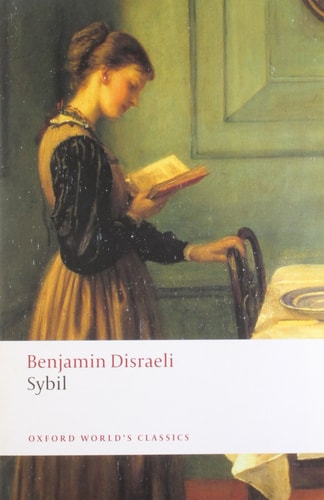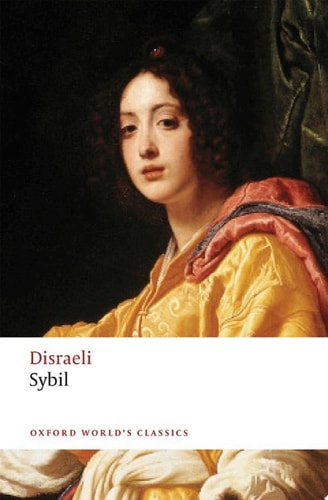
Sybil: or The Two Nations
0
0
As an Amazon Associate and affiliate partner, Menrva Books earns from qualifying purchases. Learn more
Author Description
Sybil, or The Two Nations is one of the finest novels to depict the social problems of class-ridden Victorian England. The book's publication in 1845 created a sensation, for its immediacy and readability brought the plight of the working classes sharply to the attention of the reading public. The 'two nations' of the alternative title are the rich and poor, so disparate in their opportunities and living conditions, and so hostile to each other. that they seem almost to belong to different countries. The gulf between them is given a poignant focus by the central romantic plot concerning the love of Charles Egremont, a member of the landlord class, for Sybil, the poor daughter of a militant Chartist leader.
Menrva's Summary
THE PULSE
The novel centers on the widening chasm between the wealthy elite and the impoverished working class in 19th-century England, ignited by the unlikely romance between an aristocrat and a radical activist. Charles Egremont, a young member of the landed gentry, seeks to reconcile his traditional upbringing with the harsh realities of industrialization he discovers while traveling. He encounters Sybil Gerard, the daughter of a Chartist leader, whose commitment to the labor movement challenges his political and social assumptions. The narrative operates as a social critique, utilizing a third-person omniscient perspective to contrast the opulence of the ruling class with the squalor of the industrial poor.
INSIDE THE PAGES
- Exploration of the Chartist movement and labor unrest
- Contrast between industrial urban centers and rural estates
- Romantic subplot serving as a bridge between social classes
- Detailed depiction of Victorian class stratification
- Political discourse regarding the responsibilities of the aristocracy
- Use of satirical characterizations to critique parliamentary figures
- Focus on the moral and economic consequences of the Industrial Revolution
- Examination of the role of religion and tradition in social reform
THE COLLECTIVE ECHO
Readers and critics frequently highlight the novel as a primary document for understanding the social anxieties of the Victorian era. Discussion often centers on the effectiveness of Disraeli's dual-narrative approach, which balances political theory with the personal stakes of the central romance. Many observers note that the pacing occasionally slows during dense political expositions, yet these sections provide essential context for the characters' motivations. The work is consistently praised for its vivid portrayal of the 'two nations' concept, which remains a frequent point of reference in political and literary discourse. Readers often find the author's ability to humanize the plight of the working class while maintaining his own aristocratic perspective to be a notable feature of the text.
Page Count:
446
Publication Date:
2017-01-01
Publisher:
OUP Oxford
ISBN-10:
0191078085
ISBN-13:
9780191078088
Romance
Historical
England
classic
English
Victorian
English & College Success
Political
Social Commentary