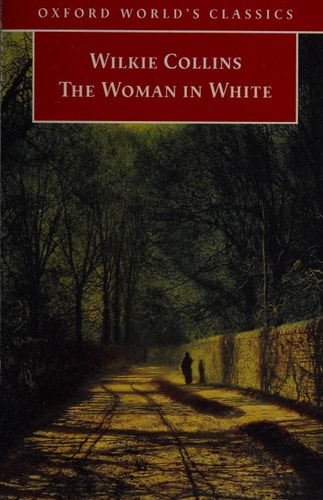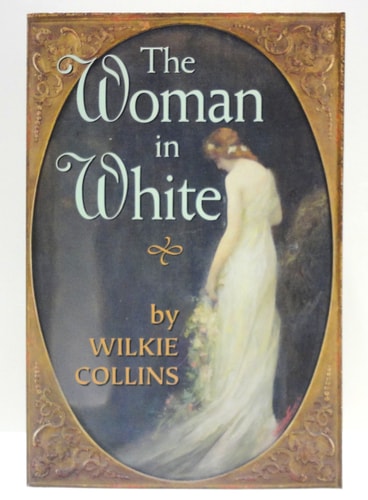
The Woman in White
0
0
As an Amazon Associate and affiliate partner, Menrva Books earns from qualifying purchases. Learn more
Author Description
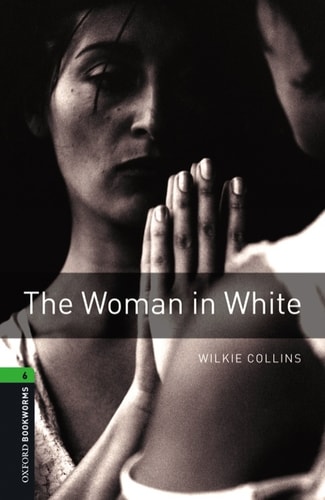
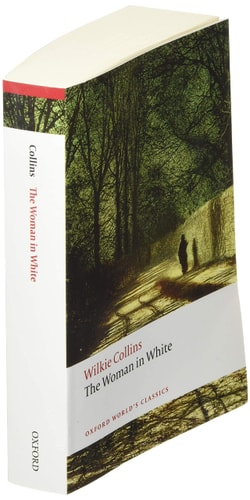
Wilke Collins' novel, "The Woman in White" has intrigued readers for generations. In the story a young and genial tutor of arts, Walter Hartright, encounters a woman dressed head to toe in white who is lost in the streets of London. After reporting her to the authorities Walter is informed that the lady was an escapee from a mental asylum. However, when Walter takes a new position in teaching art he encounters a girl named Laura, whose looks are stunningly similar to those of the woman in white. As the pair fall for one another, the sense of mystery deepens - is there more to their meeting than first meets the eye?
Menrva's Summary
THE PULSE
A chance encounter with a mysterious woman in white on a moonlit road sets off a complex chain of events that threatens the lives and sanity of those involved. Walter Hartright, a drawing master, accepts a position at Limmeridge House, where he discovers a striking resemblance between his pupil, Laura Fairlie, and the distressed woman he encountered in London. As he becomes entangled in the lives of the household, he faces opposition from the manipulative Count Fosco and the enigmatic Sir Percival Glyde. The narrative employs an epistolary framework, utilizing multiple perspectives and legal documents to reconstruct the events surrounding a conspiracy involving identity, inheritance, and institutional confinement.
INSIDE THE PAGES
- Multiple first-person narrators providing subjective accounts
- Use of legal documents and diary entries as narrative devices
- Gothic atmosphere set within isolated English country estates
- Exploration of Victorian social constraints and gender dynamics
- Focus on the vulnerability of women within the legal system
- Intricate plotting involving hidden identities and conspiracies
- Pacing that builds tension through gradual revelation of secrets
- Detailed character studies of both protagonists and antagonists
THE COLLECTIVE ECHO
Readers and critics frequently identify this work as a foundational text in the development of the sensation novel genre. Discussion often centers on the effectiveness of the multi-perspective narrative structure in creating suspense and maintaining ambiguity throughout the plot. Many observers highlight the psychological depth of the antagonist, Count Fosco, as a significant element that elevates the tension beyond standard mystery tropes. The atmospheric descriptions of the English landscape and the claustrophobic nature of the domestic settings are often cited as key contributors to the book's enduring appeal. Scholars and casual readers alike note the precision with which the author critiques the legal and social limitations placed upon women during the nineteenth century.
Page Count:
662
Publication Date:
1981-01-01
Publisher:
Oxford University Press
ISBN-10:
0192815342
ISBN-13:
9780192815347
Thriller
Suspense
Mystery
Victorian
England
Gothic
classic
Community Tags
Similar Books