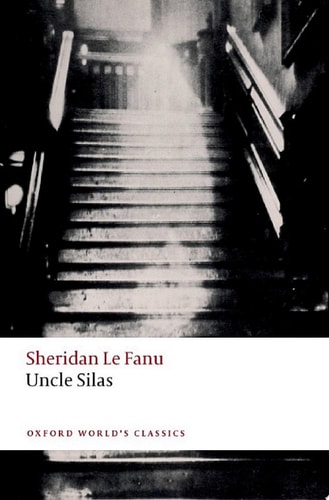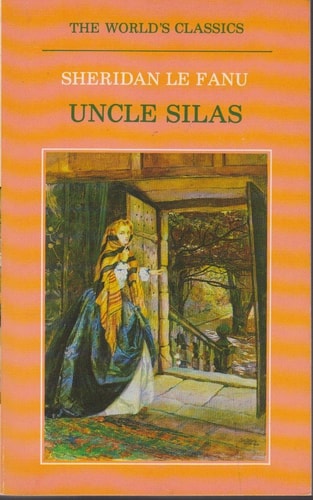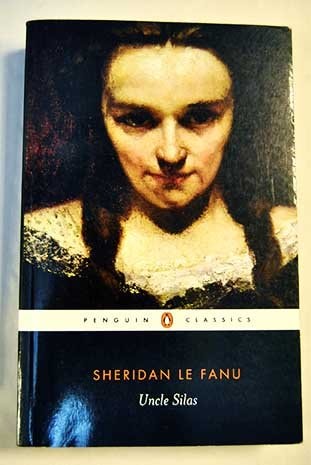
Uncle Silas
0
0
As an Amazon Associate and affiliate partner, Menrva Books earns from qualifying purchases. Learn more
Author Description
One of the most significant and intriguing Gothic novels of the Victorian period and is enjoyed today as a modern psychological thriller. In UNCLE SILAS (1864) Le Fanu brought up to date Mrs Radcliffe's earlier tales of virtue imprisoned and menacedby unscrupulous schemers. The narrator, Maud Ruthyn, is a 17 year old orphan left in the care of her fearful uncle, Silas. Together with his boorish son and a sinister French governess, Silas plots to kill Maud and claim her fortune. The novel established Le Fanu as a master of horror fiction.
Menrva's Summary
THE PULSE
After the death of her father, seventeen-year-old Maud Ruthyn is sent to live with her estranged and mysterious Uncle Silas, only to discover that she is a pawn in a lethal scheme to seize her inheritance. Isolated within the decaying estate of Bartram-Haugh, Maud must navigate the psychological manipulation of her uncle, the crude hostility of his son, and the watchful presence of a sinister governess. The narrative is presented through a first-person perspective, emphasizing Maud's growing sense of entrapment and the claustrophobic atmosphere of her new home. As the plot unfolds, the logical constraints of Victorian inheritance laws and social expectations heighten the stakes of her physical confinement.
INSIDE THE PAGES
- First-person retrospective narration
- Gothic atmosphere and decaying estate setting
- Psychological manipulation and gaslighting
- Themes of inheritance and financial exploitation
- Victorian social constraints and gender dynamics
- Suspense-driven pacing
- Character-focused development of the antagonist
- Exploration of moral ambiguity
THE COLLECTIVE ECHO
Discussion often centers on the novel's effectiveness in transitioning from traditional Gothic tropes to a more modern psychological thriller framework. Readers frequently highlight the slow-burn tension that Le Fanu builds through Maud's internal monologue and the unsettling ambiguity surrounding Uncle Silas's true intentions. Critics often note the precision of the prose in establishing a sense of dread without relying solely on supernatural elements. The balance between the domestic setting and the underlying threat of violence remains a frequent point of analysis for those interested in Victorian literature. Many readers appreciate how the narrative maintains its grip through character-driven conflict rather than relying on external action sequences.
Page Count:
432
Publication Date:
2099-11-30
Publisher:
Oxford University Press
ISBN-10:
0192835645
ISBN-13:
9780192835642
Horror
Psychological Thriller
England
classic
Victorian
Gothic
Community Tags
Similar Books