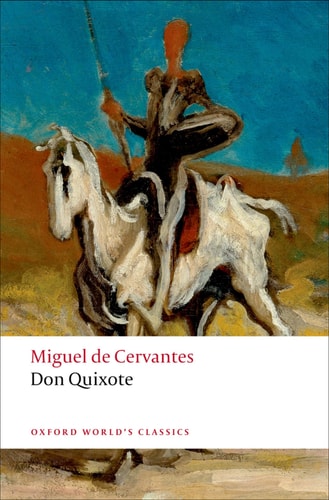
Don Quixote
0
0
As an Amazon Associate and affiliate partner, Menrva Books earns from qualifying purchases. Learn more
Author Description
Don Quixote, originally published in two parts in 1605 and 1615, stands as Cervantes' belated but colossal literary success. A work which has achieved mythic status, it is considered to have pioneered the modern novel. Don Quixote, a poor gentleman from La Mancha, Spain, entranced by the code of chivalry, seeks romantic honor through absurd and fantastic adventures. His fevered imagination turns everyday objects into heroic opponents and stepping stones to greater glory; each exploit serves as a comic, yet disturbing commentary on the psychological struggle between reality and illusion, fact and fiction. This celebrated translation by Charles Jarvis offers a new introduction and notes which provide essential background information.
Menrva's Summary
THE PULSE
A deluded nobleman abandons his quiet life to revive the dying code of chivalry, inadvertently causing chaos across the Spanish countryside. Alonso Quixano, a man obsessed with tales of knights-errant, adopts the persona of Don Quixote to seek glory and honor. Accompanied by his pragmatic squire, Sancho Panza, he confronts perceived enemies that are often mundane objects or innocent bystanders. The narrative utilizes a meta-fictional framework, frequently questioning the reliability of the narrator and the nature of the text itself. The physical world of 17th-century Spain serves as a harsh, grounded contrast to the protagonist's internal, idealized landscape.
INSIDE THE PAGES
- Meta-fictional commentary on the act of writing and translation
- Episodic structure following the picaresque tradition
- Juxtaposition of high-flown chivalric language with common vernacular
- Exploration of the duality between idealism and pragmatism
- Use of a frame narrative involving a fictional historian
- Satirical critique of contemporary romantic literature
- Character development through the evolving relationship between master and squire
- Philosophical inquiry into the nature of madness and perception
THE COLLECTIVE ECHO
Readers and critics frequently identify this work as a foundational text that established the structure of the modern novel. Discussion often centers on the complex interplay between the protagonist's delusions and the harsh realities of the world he inhabits. Many highlight the dynamic between the idealistic Don Quixote and the grounded Sancho Panza as a primary driver of the narrative's enduring appeal. Scholars often examine how the text functions as both a parody of chivalric romance and a profound psychological study of human belief. The work remains a subject of intense analysis regarding its influence on subsequent literary traditions and its commentary on the subjectivity of truth.
Page Count:
1120
Publication Date:
1992-11-19
Publisher:
Oxford University Press
ISBN-10:
019282726X
ISBN-13:
9780192827265
Adventure
Satire
classic
Spanish literature
Spain fiction
Picaresque
Adventure fiction