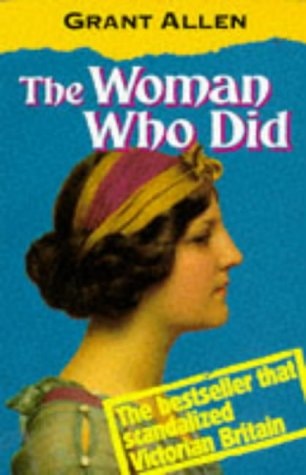
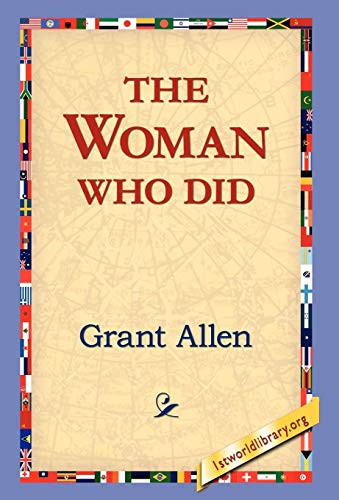
The Woman Who Did
0
0
As an Amazon Associate and affiliate partner, Menrva Books earns from qualifying purchases. Learn more
Author Description
The most notorious of the so-called "New Woman" novels of the 1890s--a type of fiction inspired by contemporary debates about women's education, family life, and sexual independence--The Woman Who Did was controversial from the start and eventually became a bestseller. Determined to arrange her own life, Herminia Barton enters a relationship ouside of marriage with the lawyer Alan Merrick, and the consequences of that decision test her resolve to the very limit. Flying in the face of convention, Allen intended the book as a protest against the subjection of women, but feminists including Millicent Fawcett condemned both Allen and the novel.
Menrva's Summary
THE PULSE
Herminia Barton challenges the social constraints of Victorian marriage by entering a committed relationship without the legal sanction of wedlock. Driven by a desire for intellectual and personal autonomy, Herminia rejects the traditional institution of marriage, viewing it as a form of bondage. She faces intense societal ostracization and personal hardship as she attempts to maintain her principles against a rigid, judgmental public. The narrative follows her struggle to reconcile her radical ideals with the harsh realities of a society that refuses to accept her choices. The story is presented through a third-person perspective that emphasizes the ideological conflict between the protagonist and her environment.
INSIDE THE PAGES
- Exploration of the New Woman archetype in late 19th-century literature
- Critique of Victorian marriage laws and social conventions
- Focus on the tension between individual autonomy and societal expectations
- Examination of the consequences of non-conformity
- Portrayal of the intellectual climate of the 1890s
- Emphasis on the protagonist's unwavering commitment to her philosophy
- Analysis of the impact of public opinion on private lives
- Use of the novel as a vehicle for social protest
THE COLLECTIVE ECHO
Discussion often centers on the polarizing nature of the protagonist's choices and the author's intent behind the narrative. Readers frequently highlight the stark contrast between the book's radical premise and the eventual tragic trajectory of the characters. Critics often examine the work as a primary example of the New Woman genre, noting its historical significance in the context of Victorian gender debates. The pacing is frequently described as deliberate, focusing heavily on the philosophical arguments that drive the plot forward. Many readers find the text to be a compelling look at the limitations placed upon women during the late nineteenth century.
Page Count:
160
Publication Date:
1995-06-29
Publisher:
Oxford University Press
ISBN-10:
0192823124
ISBN-13:
9780192823120
Romance
Victorian
classic
Social Issues
Mothers and daughters
England
Feminist fiction
Community Tags
Other Editions(9)



Similar Books

Reader Comments
Share Your Thoughts
No comments yet. Be the first to share your thoughts!