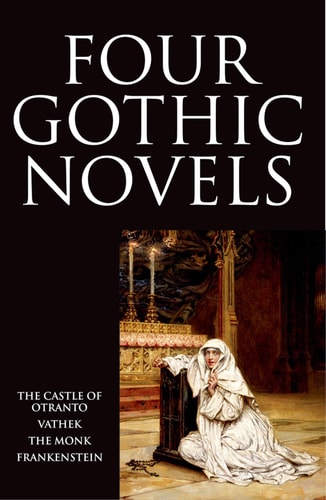
Four Gothic Novels: The Castle of Otranto; Vathek; The Monk; Frankenstein
0
0
As an Amazon Associate and affiliate partner, Menrva Books earns from qualifying purchases. Learn more
Author Description
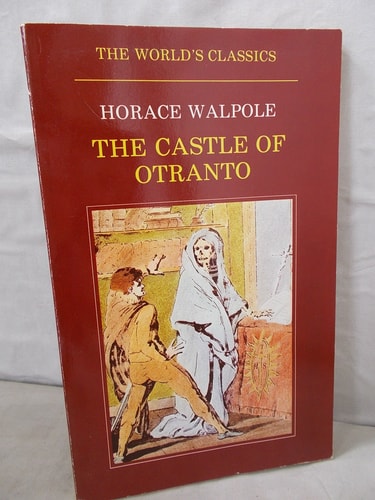
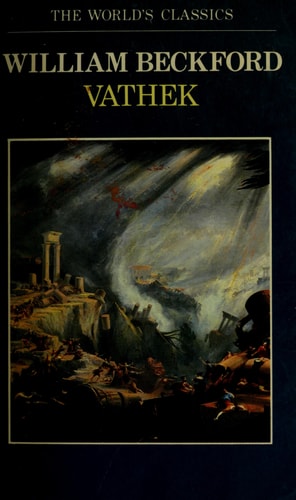
Macabre and melodramatic, set in haunted castles or fantastic landscapes, Gothic tales became fashionable in the late eighteenth century with the publication of Horace Walpole's The Castle of Otranto (1764). Crammed with catastrophe, terror, and ghostly interventions, the novel was an immediate success, and influenced numberous followers. These include William Beckford's Vathek (1786), which alternates grotesque comedy with scenes of exotic magnificence in the story of the ruthless Caliph Vathek's journey to damnation. The Monk (1796), by Matthew Lewis, is a violent tale of ambition, murder, and incest, set in the sinister monastery of the Capuchins in Madrid. Frankenstein (1818, 1831) is Mary Shelley's disturbing and perennially popular tale of a young student who learns the secret of giving life to a creature made from human relics, with horrific consequences.This collection illustrates the range and attraction of the gothic novel. Extreme and sensational, each of the four printed here is alos a powerful psychological story of isolation and monomania.
Menrva's Summary
THE PULSE
This anthology presents four foundational narratives that establish the conventions of Gothic literature through themes of terror, supernatural intervention, and psychological decay. Each work follows a protagonist whose unchecked ambition or moral transgression leads to catastrophic consequences within isolated, atmospheric settings. The collection utilizes diverse narrative frameworks, ranging from epistolary structures to third-person omniscient accounts, to explore the boundaries of human morality and the intrusion of the uncanny into the rational world. These stories pit individual desire against societal, religious, or natural laws, resulting in inevitable ruin for those who defy established order.
INSIDE THE PAGES
- Use of haunted, labyrinthine architectural settings
- Integration of supernatural and ghostly phenomena
- Exploration of monomania and psychological isolation
- Incorporation of grotesque and macabre imagery
- Focus on moral transgression and its consequences
- Contrast between rational inquiry and irrational terror
- Deployment of melodramatic plot devices
- Examination of the sublime and the horrific
THE COLLECTIVE ECHO
Discussion often centers on how these four texts collectively define the evolution of the Gothic genre from its inception to its peak. Readers frequently highlight the stark contrast between the stylized, aristocratic terror of Walpole and the visceral, transgressive violence found in Lewis’s work. Critics observe that while the settings vary from exotic landscapes to claustrophobic monasteries, the underlying focus remains on the destructive nature of human obsession. The collection is valued for providing a comprehensive view of how early writers utilized fear to critique contemporary social and religious structures. Scholars often note that these works serve as essential primary sources for understanding the transition toward Romanticism and the development of the psychological novel.
Page Count:
624
Publication Date:
1994-08-18
Publisher:
Oxford University Press
ISBN-10:
0192823310
ISBN-13:
9780192823311
Fiction
Horror
Gothic
19th Century
Horror tales
18th century
classic
Community Tags
Similar Books