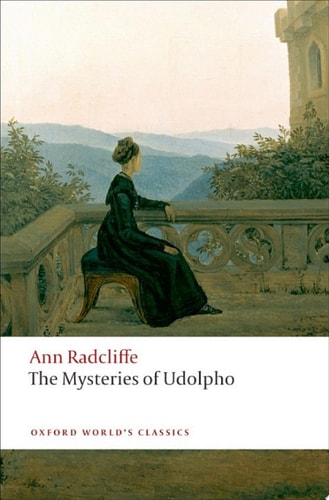
The Mysteries of Udolpho
0
0
As an Amazon Associate and affiliate partner, Menrva Books earns from qualifying purchases. Learn more
Author Description
Her present life appeared like the dream of a distempered imagination, or like one of those frightful fictions, in which the wild genius of the poets sometimes delighted. Rreflections brought only regret, and anticipation terror.' Such is the state of mind in which Emily St. Aubuert - the orphaned heroine of Ann Radcliffe's 1794 gothic Classic, The Mysteries of Udolpho - finds herself after Count Montoni, her evil guardian, imprisions her in his gloomy medieval fortress in the Appenines. Terror is the order of the day inside the walls of Udolpho, as Emily struggles against Montoni's rapacious schemes and the threat of her own psychological disintegration. A best-seller in its day and a potent influence on Walpole, Poe, and other writers of eighteenth and nineteenth-century Gothic horror, The Mysteries of Udolpho remains one of the most important works in the history of European fiction. As the same time, with its dream-like plot and hallucinatory rendering of its characters' psychological states, it often seems strangely modern: `permanently avant-garde' in Terry Castle's words, and a profound and fascinating challenge to contemporary readers. ABOUT THE SERIES: For over 100 years Oxford World's Classics has made available the widest range of literature from around the globe. Each affordable volume reflects Oxford's commitment to scholarship, providing the most accurate text plus a wealth of other valuable features, including expert introductions by leading authorities, helpful notes to clarify the text, up-to-date bibliographies for further study, and much more.
Menrva's Summary
THE PULSE
After the death of her parents, Emily St. Aubert is thrust into a terrifying captivity within the remote and foreboding castle of Udolpho under the control of her sinister guardian, Count Montoni. Emily must navigate a landscape of psychological dread and physical confinement, attempting to preserve her autonomy and sanity against Montoni's predatory ambitions. The narrative utilizes a third-person perspective to detail her experiences, blending external threats with the internal instability of her own perceptions. As she encounters unexplained phenomena and shifting alliances, she struggles to distinguish between genuine supernatural danger and the manifestations of her own heightened anxieties.
INSIDE THE PAGES
- Extensive use of the sublime and picturesque in landscape descriptions
- Focus on the psychological interiority of the protagonist
- Incorporation of epistolary elements and poetry within the prose
- Exploration of the tension between rationalism and superstition
- Atmospheric setting of a decaying, labyrinthine medieval fortress
- Themes of female vulnerability and moral fortitude
- Use of suspenseful, cliffhanger-style chapter endings
- Detailed examination of the gothic villain archetype
THE COLLECTIVE ECHO
Readers and critics frequently highlight the novel's foundational role in establishing the conventions of the Gothic genre. Discussion often centers on Radcliffe's ability to sustain an atmosphere of pervasive dread through her evocative, dream-like prose. While some modern readers find the pacing deliberate, many appreciate the intricate balance between external action and the protagonist's internal psychological states. The work is widely recognized for its influence on later writers, including Poe and Walpole, and remains a subject of study for its early exploration of the uncanny. Scholars often emphasize how the text serves as a bridge between the Enlightenment and the Romantic movement.
Page Count:
740
Publication Date:
1998-01-01
Publisher:
OUP Oxford
ISBN-10:
0191605115
ISBN-13:
9780191605116
Horror
Romance
Fiction - Horror
English & College Success
classic
English
Gothic
Young women
Fiction - Religious
Italy
Historical
18th century
Community Tags
Other Editions(78)

Nrm Books
2025
Default edition
Magic Publisher
2024
Independently published
2021
Independently Published
2021

Information Age Publishing, Incorporated
2021
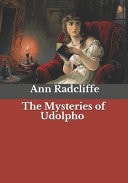
Independently Published
2021
Independently Published
2021

Independently published
2021

Andrews UK
2021

Independently published
2020

Graphic Arts Books
2020

Mint Editions
2020

West Margin Press
2020

Independently published
2020

Independently Published
2020
Independently Published
2020

Independently Published
2020
Independently Published
2020

Digireads.com Publishing
2020
Oxford University Press
2020
Digireads.com Publishing
2020

e-artnow
2018

CreateSpace Independent Publishing Platform
2018

CreateSpace Independent Publishing Platform
2018
CreateSpace Independent Publishing Platform
2018
CreateSpace Independent Publishing Platform
2018
CreateSpace Independent Publishing Platform
2018

CreateSpace Independent Publishing Platform
2018

CreateSpace Independent Publishing Platform
2018
CreateSpace Independent Publishing Platform
2018
CreateSpace Independent Publishing Platform
2018
CreateSpace Independent Publishing Platform
2018

CreateSpace Independent Publishing Platform
2018

BoD – Books on Demand
2018

CreateSpace Independent Publishing Platform
2018

CreateSpace Independent Publishing Platform
2018
CreateSpace Independent Publishing Platform
2018
CreateSpace Independent Publishing Platform
2018

CreateSpace Independent Publishing Platform
2018
CreateSpace Independent Publishing Platform
2018
CreateSpace Independent Publishing Platform
2018
CreateSpace Independent Publishing Platform
2018

CreateSpace Independent Publishing Platform
2018
CreateSpace Independent Publishing Platform
2017

CreateSpace Independent Publishing Platform
2017
CreateSpace Independent Publishing Platform
2017

CreateSpace Independent Publishing Platform
2017

CreateSpace Independent Publishing Platform
2017
CreateSpace Independent Publishing Platform
2017

CreateSpace Independent Publishing Platform
2017

CreateSpace Independent Publishing Platform
2016
CreateSpace Independent Publishing Platform
2016
Naxos AudioBooks
2016
CreateSpace Independent Publishing Platform
2016

CreateSpace Independent Publishing Platform
2016

CreateSpace Independent Publishing Platform
2015
CreateSpace Independent Publishing Platform
2015
Simon & Schuster
2015

CreateSpace Independent Publishing Platform
2014
CreateSpace Independent Publishing Platform
2014

CreateSpace Independent Publishing Platform
2012

CreateSpace Independent Publishing Platform
2010
Penguin UK
2010
Echo Library
2009

ReadHowYouWant.com
2009

Digireads.com Publishing
2009
CreateSpace Independent Publishing Platform
2008

OUP Oxford
2008

Dodo Press
2007
ReadHowYouWant.com, Limited
2006

ReadHowYouWant.com
2006

IndyPublish.com
2005

IndyPublish.com
2002
Penguin
2001
OUP Oxford
1998
Oxford University Press
1980
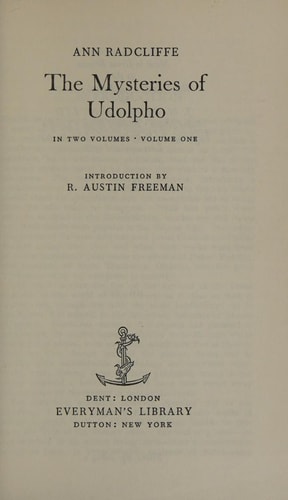
Dent
1973

CreateSpace Independent Publishing Platform
1794
Similar Books


Reader Comments
Share Your Thoughts
No comments yet. Be the first to share your thoughts!