Selected Tales
0
0
As an Amazon Associate and affiliate partner, Menrva Books earns from qualifying purchases. Learn more
Author Description
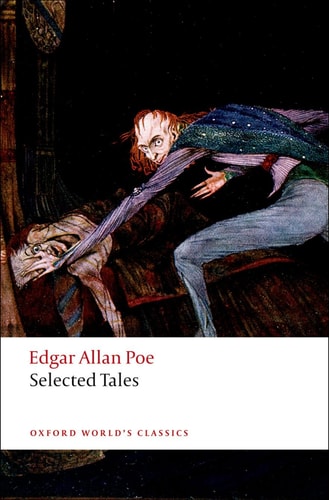
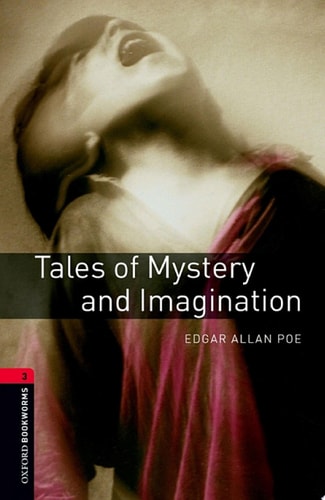
Since their first publication in the 1830s and 1840s, Edgar Allan Poe's extraordinary Gothic tales have established themselves as classics of horror fiction and have also created many of the conventions which still dominate the genre of detective fiction. As well as being highly enjoyable, Poe's tales are works of very real intellectual exploration. Attentive to the historical and political dimensions of these very American tales, this new selection places the most popular -- `The Fall of the House of Usher', `The Masque of the Red Death', `The Murders in the Rue Morgue; and `The Purloined Letter' -- alongside less well-known travel narratives, metaphysical essays and political satires.
Menrva's Summary
THE PULSE
These collected narratives center on the fragility of the human psyche when confronted with inevitable decay, obsession, and the macabre. The protagonists in these tales often find themselves trapped by their own internal compulsions or external forces beyond their control, leading to psychological disintegration or physical peril. Poe utilizes a variety of narrative frameworks, ranging from first-person confessions of guilt to detached, analytical accounts of bizarre phenomena, to explore the boundaries between sanity and madness. The world-building is characterized by claustrophobic settings and an atmosphere of impending doom that heightens the tension of every encounter.
INSIDE THE PAGES
- Unreliable narrators who often confess to crimes or psychological states
- Themes of premature burial and the fear of being interred alive
- Analytical detective methodology in the C. Auguste Dupin stories
- Gothic settings featuring decaying mansions and oppressive environments
- Exploration of the 'perverse' as an inherent human impulse
- Use of sensory details to evoke dread and physical discomfort
- Philosophical dialogues regarding the nature of existence and death
- Precise, formal prose that contrasts with the chaotic mental states of characters
THE COLLECTIVE ECHO
Readers and critics frequently highlight Poe's influence on the development of the modern horror and detective genres. Discussion often centers on the author's ability to maintain a consistent tone of psychological unease across diverse narrative structures. Many observers note that the pacing is deliberate, allowing the atmosphere to build until the inevitable climax of each story. The balance between intellectual deduction and visceral terror remains a primary point of interest for those examining his body of work. Readers often find that the thematic focus on mortality and the subconscious continues to resonate despite the historical distance of the writing.
Page Count:
338
Publication Date:
1998-01-01
Publisher:
Oxford University Press
ISBN-10:
0191583111
ISBN-13:
9780191583117
Romance
Science
Horror
Fiction
Mystery
Gothic
Short Stories
classic
Horror tales
Psychological