
The Blithedale Romance
0
0
As an Amazon Associate and affiliate partner, Menrva Books earns from qualifying purchases. Learn more
Author Description
Abjuring the city for a pastoral life, a group of utopians set out to reform a dissipated America. But the group is a powerful mix of competing ambitions and its idealism finds little satisfaction in farmwork. Instead, of changing the world, the members of the Blithedale community individually pursue egotistical paths that ultimately lead to tragedy. Hawthorne's tale both mourns and satirizes a rural idyll not unlike that of nineteenth-century America at large.
Menrva's Summary
THE PULSE
A group of idealistic reformers attempts to establish a utopian commune on a farm, only to find their collective vision dismantled by personal ambition and human fallibility. The protagonist, Miles Coverdale, observes the shifting dynamics of the Blithedale community as its members struggle to reconcile their high-minded social theories with the practical realities of labor and interpersonal conflict. The narrative framework is presented as a first-person account, allowing Coverdale to act as both a participant and a detached chronicler of the group's slow disintegration. As the characters pursue their individual desires, the rigid constraints of their social experiment collapse under the weight of jealousy, pride, and hidden motives.
INSIDE THE PAGES
- First-person retrospective narration
- Pastoral setting contrasted with urban decay
- Exploration of transcendentalist social philosophy
- Character-driven psychological tension
- Satirical treatment of utopian idealism
- Symbolism involving veils and masks
- Themes of egoism versus communal responsibility
- Tragic trajectory of interpersonal relationships
THE COLLECTIVE ECHO
Discussion often centers on Hawthorne's skeptical portrayal of nineteenth-century reform movements and the inherent fragility of communal living. Readers frequently highlight the ambiguity of Miles Coverdale as a narrator, noting how his detachment complicates the reader's understanding of the other characters' motivations. Critics often examine the balance between the novel's romantic atmosphere and its biting critique of the characters' self-serving behaviors. The text is widely recognized for its psychological depth and its refusal to offer simple moral resolutions regarding the success or failure of the Blithedale experiment. Many readers appreciate the way the narrative captures the tension between individual autonomy and the demands of a collective social structure.
Page Count:
320
Publication Date:
1991-11-14
Publisher:
Oxford University Press
ISBN-10:
0192825984
ISBN-13:
9780192825988
Romance
Literary
Social Commentary
Historical
classic
Community Tags
Other Editions(14)

Independently Published
2020
Default edition
Independently Published
2020

Independently Published
2019

Independently Published
2018

Independently Published
2018
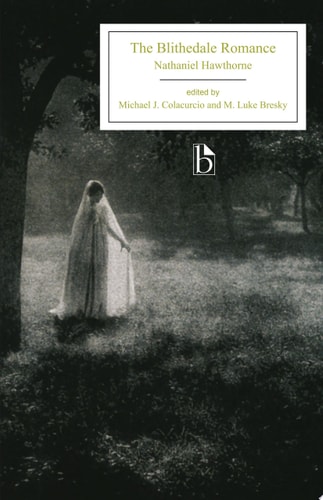
Broadview Press
2015

CreateSpace Independent Publishing Platform
2011

Oxford University Press
2009
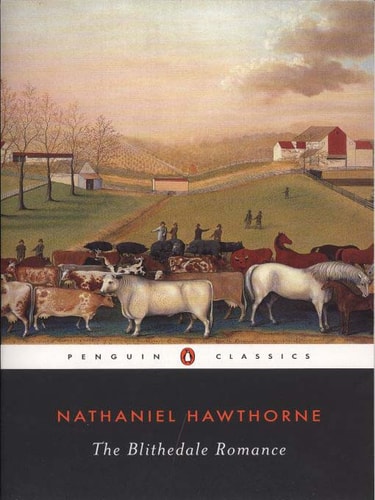
Penguin USA, Inc.
2009

Read Books
2008

H. Altemus Company
1992
Oxford University Press
1991
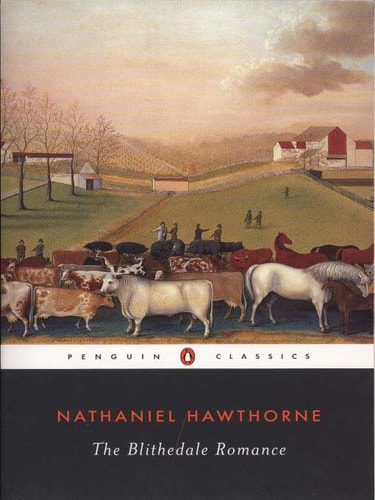
Penguin Books
1983
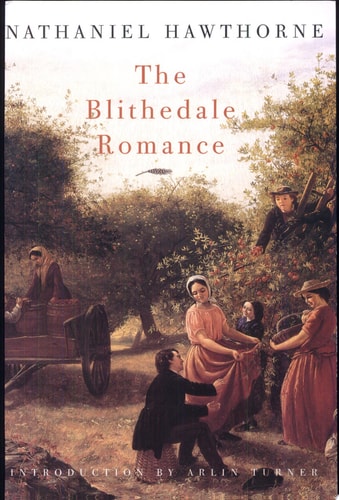
W. W. Norton & Company
1958
Similar Books







Reader Comments
Share Your Thoughts
No comments yet. Be the first to share your thoughts!