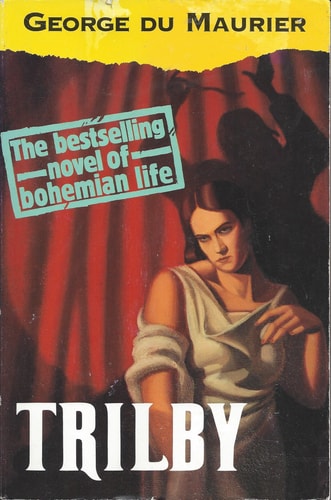
Trilby
0
0
As an Amazon Associate and affiliate partner, Menrva Books earns from qualifying purchases. Learn more
Author Description
First published in 1894, the story of the diva Trilby O'Ferrall and her mesmeric mentor, Svengali, has entered the mythology of that period alongside Dracula and Sherlock Holmes.Immensely popular from a number of years, the novel led to a hit play, a series of popular films, Trilby products from hats to ice-cream, and streets in Florida named after characters in the book. The setting reflects Du Maurier's bohemian years as an art student in Paris before coming to London to make a career in journalism. A celebrated caricaturist for Punch magazine, Du Maurier's drawings for the novel--of which his most significant are included here--form a large part of its appeal.
Menrva's Summary
THE PULSE
The life of an artist's model is irrevocably altered when she falls under the hypnotic influence of a manipulative musician. Trilby O'Ferrall, a young woman living in the bohemian circles of Paris, finds her autonomy stripped away as the sinister Svengali uses his mesmeric powers to transform her into a world-renowned singing sensation. The narrative, presented through a nostalgic and often observational lens, explores the tension between artistic genius and personal agency. The characters must navigate the rigid social expectations of the late nineteenth century while grappling with the destructive nature of obsession and the loss of identity.
INSIDE THE PAGES
- First-person retrospective narration
- Integration of original author illustrations
- Depiction of 19th-century Parisian bohemian life
- Exploration of mesmerism and psychological control
- Themes of fame and public performance
- Contrast between London and Paris settings
- Focus on the dynamics of artistic mentorship
- Inclusion of social commentary on Victorian class structures
THE COLLECTIVE ECHO
Readers and critics frequently note the novel's significant cultural impact, often comparing its archetypal characters to other Victorian icons. Discussion often centers on the problematic nature of the Svengali-Trilby relationship, which serves as a primary focal point for modern analysis regarding consent and influence. Many highlight the atmospheric quality of the prose, which effectively captures the romanticized view of the art student lifestyle in Paris. The inclusion of Du Maurier's own illustrations is often cited as a vital component that enhances the reader's immersion in the period setting. The work remains a subject of interest for those examining the intersection of popular entertainment and literary history.
Page Count:
320
Publication Date:
1995-06-29
Publisher:
Oxford University Press
ISBN-10:
019282323X
ISBN-13:
9780192823236
Romance
Psychological
Historical
France fiction
classic
Paris France
Victorian
Gothic
Community Tags
Other Editions(44)

Mint Editions
2022
Default edition
West Margin Press
2021

Independent Publishers Group (Chicago Review Press)
2021

Amazon Digital Services LLC - KDP Print US
2021

Independently Published
2021

Independently Published
2020

Independently Published
2020
Independently Published
2020

Independently Published
2020

Independently Published
2020

Independently Published
2020

Independently Published
2020

Independently Published
2020

Independently Published
2020

Independently Published
2019
Amazon Digital Services LLC - KDP Print US
2019
Independently Published
2019
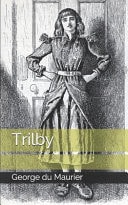
Independently Published
2018

Creative Media Partners, LLC
2018

CreateSpace Independent Publishing Platform
2018

CreateSpace Independent Publishing Platform
2018

Creative Media Partners, LLC
2018

Bod Third Party Titles
2018

CreateSpace Independent Publishing Platform
2017

Trieste Publishing Pty Limited
2017

Creative Media Partners, LLC
2016

CreateSpace Independent Publishing Platform
2015

CreateSpace Independent Publishing Platform
2015

Creative Media Partners, LLC
2015

CreateSpace Independent Publishing Platform
2015

CreateSpace Independent Publishing Platform
2014

CreateSpace Independent Publishing Platform
2013

Classic Books
2013

WF Howes Ltd
2013
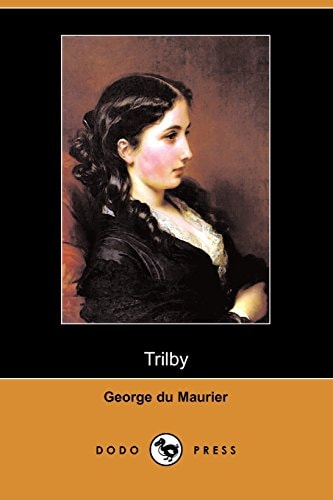
Dodo Press
2009

Wildside Press, LLC
2007

Kessinger Publishing
2004

Wildside Press, LLC
2002

Classic Books
2001

Reprint Services Corporation
1998

OUP Oxford
1998
Oxford University Press
1995
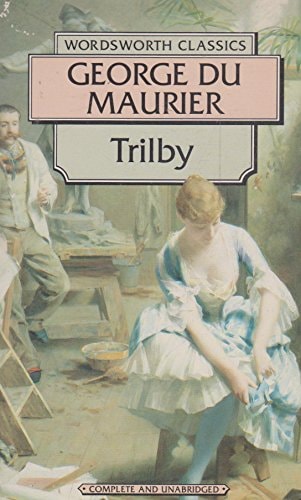
Wordsworth
1995

Buccaneer Books, Incorporated
1994
Similar Books








Reader Comments
Share Your Thoughts
No comments yet. Be the first to share your thoughts!