
Riders of the Purple Sage
0
0
As an Amazon Associate and affiliate partner, Menrva Books earns from qualifying purchases. Learn more
Author Description
The novel that set the pattern for the modern Western, Riders of the Purple Sage was first published in 1912, immediately selling over a million copies. In the remote border country of southern Utah, a man is about to be whipped by the Mormons in order to pressure Jane Withersteen into marrying against her will. The punishment is halted by the arrival of the hero, Lassiter, a gunman in black leather, who routs the persecutors and then graduallyrecounts his own history of an endless search for a woman abducted long ago by the Mormons. Secrecy, seduction, captivity, and escape: out of these elements Zane Grey fashioned his magnificent classic of the American West.
Menrva's Summary
THE PULSE
The arrival of a mysterious gunman in the Utah territory disrupts a coercive religious power structure and alters the fate of a woman struggling to maintain her independence. Jane Withersteen, a wealthy rancher, faces immense pressure from her community to marry a man she does not love, a situation that threatens her autonomy and her land. Her life changes when Lassiter, a legendary gunman searching for his long-lost niece, intervenes in a public act of violence against one of her employees. The narrative follows their alliance as they navigate the harsh landscape and the encroaching threats of a powerful religious organization. The story is told through a traditional third-person perspective that emphasizes the stark morality and physical dangers of the frontier.
INSIDE THE PAGES
- Archetypal lone gunman protagonist
- Exploration of religious and social power dynamics in the frontier
- Vivid descriptions of the Utah canyon landscape
- Themes of individual freedom versus communal control
- High-stakes confrontation and pursuit sequences
- Romantic tension between the rancher and the drifter
- Moral ambiguity within the context of frontier justice
- Historical setting reflecting early twentieth-century perceptions of the American West
THE COLLECTIVE ECHO
Readers frequently highlight this work as a foundational text that established the tropes of the modern Western genre. Discussion often centers on the stark contrast between the rugged, unforgiving environment and the complex moral dilemmas faced by the characters. Critics often note the author's ability to blend high-stakes action with a romanticized view of the American frontier. The pacing is generally described as deliberate, allowing for significant focus on the atmospheric setting and the internal conflicts of the protagonists. Many readers appreciate how the narrative balances the external threat of the antagonists with the personal growth of the central characters.
Page Count:
304
Publication Date:
1995-06-29
Publisher:
Oxford University Press
ISBN-10:
0192824430
ISBN-13:
9780192824431
Western
Adventure
Romance
classic
Historical
Fiction westerns
Community Tags
Other Editions(431)

Eternal Chrysostom LLC
2025
Default edition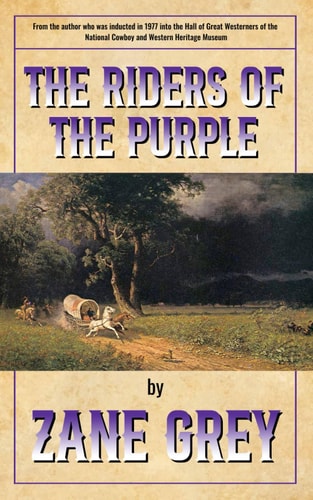
Henderson Publishing
2025

Creative Media Partners, LLC
2025

Hesperus Classics
2025

Lushena Books
2025

Independently published
2024

Wildside Press, LLC
2024

Independently published
2024

Independently published
2024

Independently published
2024

Independently published
2023

Alpha Editions
2023

Independently published
2023

Independently published
2023

Independently published
2023
Independently published
2023

BoD - Books on Demand
2023

Repro India Limited
2023

Creative Media Partners, LLC
2022

Creative Media Partners, LLC
2022

Independently published
2022

Independently published
2022

Independently Published
2022

Independently Published
2022

Independently published
2022

Independently Published
2022

Independently Published
2022

Independently Published
2022

Independently Published
2022

Independently Published
2022

2022

Independently Published
2021

Independently Published
2021
John D. Rayburn and Blackstone Publishing
2021

Independently Published
2021

Independently Published
2021

Independently published
2021

Independently Published
2021

Independently published
2021

Independently Published
2021

Independently published
2021

Independently Published
2021

Independently published
2021

Independently Published
2021

Independently Published
2021

Independently Published
2021

Independently Published
2021

Independently Published
2021

Independently Published
2021

Independently published
2021

Independently Published
2021

Independently Published
2021

PurposeQuest Media
2021

Independently published
2021

Independently Published
2021

Independently Published
2021

Independently Published
2021

Independently Published
2021

Independently Published
2021

Independently published
2021

Independently published
2021

Independently Published
2021

Independently published
2021

Independently Published
2021

Mint Editions
2021

Independently Published
2021

West Margin Press
2021

Amazon Digital Services LLC - KDP Print US
2021

Independently Published
2021

Amazon Digital Services LLC - KDP Print US
2021

Independently Published
2021

Independently Published
2021

Independently published
2021

Independently Published
2021

Independently Published
2021

Independently Published
2021

Independently Published
2021

Independently Published
2021

Independently Published
2021

Eternal Chrysostom LLC
2021

Independently Published
2021

Independently Published
2021

Independently Published
2021

Independently Published
2021

Independently Published
2021

Independently Published
2021

Independently Published
2021

Amazon Digital Services LLC - KDP Print US
2021

Independently published
2021

Wyatt North
2021

Independently Published
2021

Independently Published
2020

Independently Published
2020

Independently Published
2020

Independently Published
2020

Independently Published
2020

Independently published
2020

Independently Published
2020

Independently Published
2020

Independently Published
2020

Independently Published
2020

Independently published
2020

Independently Published
2020

Independently Published
2020

Independently Published
2020

Independently Published
2020

Independently Published
2020

Alpha Editions
2020

Independently Published
2020

Independently Published
2020

Independently Published
2020

Independently Published
2020
Independent Publishers Group (Chicago Review Press)
2020

Independently Published
2020

Independently Published
2020

Independently published
2020

Independently Published
2020

Independently Published
2020

Independently Published
2020

Independently Published
2020

Independently Published
2020

Amazon Digital Services LLC - KDP Print US
2020

Independently Published
2020

Independently Published
2020

Independently Published
2020

Independently Published
2020

Independently Published
2020

Independently Published
2020

Independently Published
2020

Independently Published
2020

Independently Published
2020

Independently Published
2020

Amazon Digital Services LLC - KDP Print US
2020

Independently published
2020

Independently Published
2019

Independently Published
2019

Independently published
2019
Notion Press
2019

Independently Published
2019

Independently Published
2019

Independently Published
2019

Independently Published
2019

Independently Published
2019

Independently Published
2019

Independently Published
2019

Independently Published
2019

Books on Demand
2019

Amazon Digital Services LLC - KDP Print US
2019

Amazon Digital Services LLC - KDP Print US
2019

Independently Published
2019

Independently Published
2019

Independently Published
2019

Astral International Pvt. Limited
2019

Amazon Digital Services LLC - KDP Print US
2019

Amazon Digital Services LLC - KDP Print US
2019

Amazon Digital Services LLC - KDP Print US
2019

Amazon Digital Services LLC - KDP Print US
2019
Amazon Digital Services LLC - KDP Print US
2019

Independently Published
2019

Amazon Digital Services LLC - KDP Print US
2019

Independently Published
2019

Amazon Digital Services LLC - KDP Print US
2019

Amazon Digital Services LLC - KDP Print US
2019

Amazon Digital Services LLC - KDP Print US
2019
IndoEuropeanPublishing.com
2019

Independently Published
2019

Independently Published
2018

Amazon Digital Services LLC - KDP Print US
2018

Amazon Digital Services LLC - KDP Print US
2018

Amazon Digital Services LLC - KDP Print US
2018

Amazon Digital Services LLC - KDP Print US
2018

Amazon Digital Services LLC - KDP Print US
2018

CreateSpace Independent Publishing Platform
2018

CreateSpace Independent Publishing Platform
2018

CreateSpace Independent Publishing Platform
2018

CreateSpace Independent Publishing Platform
2018

CreateSpace Independent Publishing Platform
2018

CreateSpace Independent Publishing Platform
2018

CreateSpace Independent Publishing Platform
2018

CreateSpace Independent Publishing Platform
2018

CreateSpace Independent Publishing Platform
2018

CreateSpace Independent Publishing Platform
2018

CreateSpace Independent Publishing Platform
2018

CreateSpace Independent Publishing Platform
2018

CreateSpace Independent Publishing Platform
2018

CreateSpace Independent Publishing Platform
2018

CreateSpace Independent Publishing Platform
2018

CreateSpace Independent Publishing Platform
2018

CreateSpace Independent Publishing Platform
2018

CreateSpace Independent Publishing Platform
2018

CreateSpace Independent Publishing Platform
2018

CreateSpace Independent Publishing Platform
2018

CreateSpace Independent Publishing Platform
2018

CreateSpace Independent Publishing Platform
2018

CreateSpace Independent Publishing Platform
2018

CreateSpace Independent Publishing Platform
2018

CreateSpace Independent Publishing Platform
2018

CreateSpace Independent Publishing Platform
2018

hansebooks
2018

Independently Published
2018

CreateSpace Independent Publishing Platform
2018

CreateSpace Independent Publishing Platform
2018

CreateSpace Independent Publishing Platform
2018

CreateSpace Independent Publishing Platform
2018

Wilder Publications, Incorporated
2018

CreateSpace Independent Publishing Platform
2018

CreateSpace Independent Publishing Platform
2018

CreateSpace Independent Publishing Platform
2018

CreateSpace Independent Publishing Platform
2018

CreateSpace Independent Publishing Platform
2018

CreateSpace Independent Publishing Platform
2018

CreateSpace Independent Publishing Platform
2018

CreateSpace Independent Publishing Platform
2018

CreateSpace Independent Publishing Platform
2018

CreateSpace Independent Publishing Platform
2018

CreateSpace Independent Publishing Platform
2018

CreateSpace Independent Publishing Platform
2018

CreateSpace Independent Publishing Platform
2018

Blackstone Publishing, Inc.
2018

CreateSpace Independent Publishing Platform
2018

Ozymandias Press
2018

CreateSpace Independent Publishing Platform
2018

CreateSpace Independent Publishing Platform
2018

CreateSpace Independent Publishing Platform
2018

CreateSpace Independent Publishing Platform
2018
Seltzer Books
2018

Dreamscape Media
2018

Barnes & Noble Press
2017

Martino Fine Books
2017

CreateSpace Independent Publishing Platform
2017

CreateSpace Independent Publishing Platform
2017

CreateSpace Independent Publishing Platform
2017

CreateSpace Independent Publishing Platform
2017

Amazon Digital Services LLC - KDP Print US
2017

CreateSpace Independent Publishing Platform
2017

CreateSpace Independent Publishing Platform
2017
CreateSpace Independent Publishing Platform
2017

CreateSpace Independent Publishing Platform
2017

CreateSpace Independent Publishing Platform
2017

CreateSpace Independent Publishing Platform
2017

CreateSpace Independent Publishing Platform
2017

CreateSpace Independent Publishing Platform
2017

CreateSpace Independent Publishing Platform
2017

CreateSpace Independent Publishing Platform
2017

CreateSpace Independent Publishing Platform
2017

CreateSpace Independent Publishing Platform
2017

CreateSpace Independent Publishing Platform
2017

Read Books Ltd.
2017

CreateSpace Independent Publishing Platform
2017

CreateSpace Independent Publishing Platform
2017

CreateSpace Independent Publishing Platform
2017

CreateSpace Independent Publishing Platform
2017

CreateSpace Independent Publishing Platform
2017

Independently Published
2017

CreateSpace Independent Publishing Platform
2017

CreateSpace Independent Publishing Platform
2017

Barnes & Noble Press
2017

CreateSpace Independent Publishing Platform
2017

Capital Communications, Incorporated
2017
CreateSpace Independent Publishing Platform
2017

CreateSpace Independent Publishing Platform
2017

CreateSpace Independent Publishing Platform
2017

CreateSpace Independent Publishing Platform
2017

CreateSpace Independent Publishing Platform
2017

CreateSpace Independent Publishing Platform
2017

CreateSpace Independent Publishing Platform
2017

CreateSpace Independent Publishing Platform
2017

Start Publishing LLC
2017

Barnes & Noble Press
2017

Independently Published
2017

CreateSpace Independent Publishing Platform
2016

CreateSpace Independent Publishing Platform
2016

CreateSpace Independent Publishing Platform
2016

CreateSpace Independent Publishing Platform
2016

Classic Western Fiction Library
2016

CreateSpace Independent Publishing Platform
2016

CreateSpace Independent Publishing Platform
2016

CreateSpace Independent Publishing Platform
2016

CreateSpace Independent Publishing Platform
2016

F. A. Thorpe Publishers
2016
CreateSpace Independent Publishing Platform
2016

CreateSpace Independent Publishing Platform
2016

Project Gutenberg
2016

CreateSpace Independent Publishing Platform
2016

Creative Media Partners, LLC
2016

Creative Media Partners, LLC
2016

Creative Media Partners, LLC
2016

Creative Media Partners, LLC
2016

CreateSpace Independent Publishing Platform
2016

CreateSpace Independent Publishing Platform
2016

Trails & Saddles
2016

Dancing Unicorn Books
2016

CreateSpace Independent Publishing Platform
2015
CreateSpace Independent Publishing Platform
2015

Joe Books Ltd
2015

CreateSpace Independent Publishing Platform
2015

CreateSpace Independent Publishing Platform
2015
CreateSpace Independent Publishing Platform
2015
CreateSpace Independent Publishing Platform
2015
CreateSpace Independent Publishing Platform
2015

CreateSpace Independent Publishing Platform
2015
HarperCollins
2015

CreateSpace Independent Publishing Platform
2015

CreateSpace Independent Publishing Platform
2015

CreateSpace Independent Publishing Platform
2015

Xist Publishing
2015

SMK Books
2015
IDB Productions
2015

Hesperus Press
2015

Duke Classics
2015

CreateSpace Independent Publishing Platform
2014

CreateSpace Independent Publishing Platform
2014

Dreamscape Media
2014

CreateSpace Independent Publishing Platform
2014

Independent Publishers Group (Chicago Review Press)
2014

Open Road Integrated Media, Inc.
2014

CreateSpace Independent Publishing Platform
2014

CreateSpace Independent Publishing Platform
2014

Literary Licensing, LLC
2014

CreateSpace Independent Publishing Platform
2014
CreateSpace Independent Publishing Platform
2014

Open Road Integrated Media, Inc.
2014

Random House Publishing Group
2014

CreateSpace Independent Publishing Platform
2013

CreateSpace Independent Publishing Platform
2013

CreateSpace Independent Publishing Platform
2013

Amazon Publishing
2013

CreateSpace Independent Publishing Platform
2013

CreateSpace Independent Publishing Platform
2013

Starling and Black
2013

CreateSpace Independent Publishing Platform
2013

Trails & Saddles
2013

Trails & Saddles
2013

CreateSpace Independent Publishing Platform
2013

Cricket House Books LLC
2013

Lulu Press, Inc.
2013

A Word To The Wise
2013

Simon & Schuster
2012

CreateSpace Independent Publishing Platform
2012

CreateSpace Independent Publishing Platform
2012

Kensington Publishing Corporation
2012

CreateSpace Independent Publishing Platform
2012

Dover Publications
2012

Macmillan Audio
2012

Empire Books
2012

Dover Publications, Incorporated
2012

CreateSpace Independent Publishing Platform
2011

Hachette
2011

CreateSpace Independent Publishing Platform
2011

CreateSpace Independent Publishing Platform
2011

Dorchester Publishing Company, Incorporated
2011

CreateSpace Independent Publishing Platform
2011

Wilder Publications, Incorporated
2011

Bod Third Party Titles
2011

Standard Publications, Inc.
2011

Pinnacle Books
2010

CreateSpace Independent Publishing Platform
2010

General Books LLC
2010

Mizzou Publishing - The Mizzou Store
2010

Lulu Press, Inc.
2010

Kensington Publishing Corporation
2010

Mizzou Publishing - The Mizzou Store
2009

The Floating Press
2009

BookSurge Classics
2009

Floating Press, The
2009

MobileReference
2009
Babblebooks
2009

Arc Manor
2008

Oxford University Press
2008

BiblioLife
2008

Ebsco Publishing
2008

Seltzer Books
2008

Large Print Book Company
2008

Random House Digital Inc.
2007

BiblioBazaar
2007

Hodder Paperbacks
2007

Digireads.com Publishing
2007

Standard Publications, Incorporated
2007

Tantor Media Inc
2007

Creative Media Partners, LLC
2007

Open Road Integrated Media, Inc.
2006

Macmillan
2006

AmazonEncore
2006

Thorndike Press
2006

Leisure Books
2006

Kessinger Publishing, LLC
2005

Five Star
2005

Kessinger Publishing
2004

NuVision Publications
2004

IndyPublish.com
2003

Random House Publishing Group
2002

IndyPublish.com
2002

IndyPublish. com
2002

Courier Corporation
2002

Tor Publishing Group
2000

Macmillan
2000

OUP Oxford
1998

Project Gutenberg Literary Archive Foundation
1998

Blackstone Pub
1997

Wordsworth Editions, Limited
1996

Pocket
1995
Oxford University Press
1995

Oxford University Press, Uk
1995

HarperCollins Canada, Limited
1995
Heinemann
1993

Newport Pub
1993

Wheeler Pub.
1993

Blackstone Audiobooks
1992
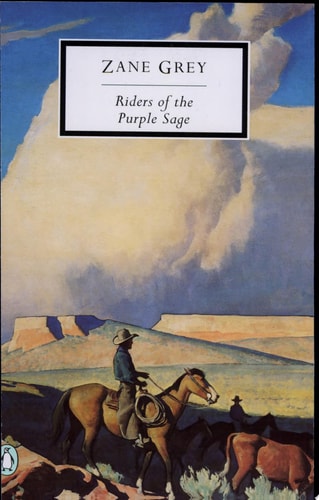
Penguin
1990

Penguin US
1990

Tandem Library
1990

Penguin Publishing Group
1990

Black's Readers Service Company
1990
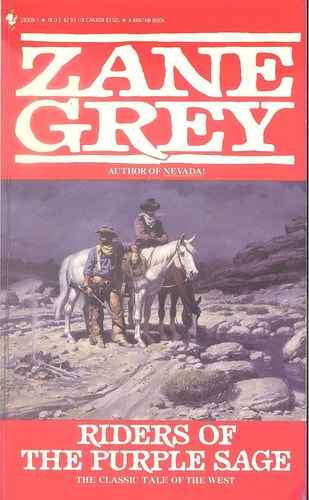
Bantam Books
1989

Books in Motion
1989

Firecrest
1988

Santa Barbara Pr
1988

Northstar Audio Books Inc
1985

Simon and Schuster
1985
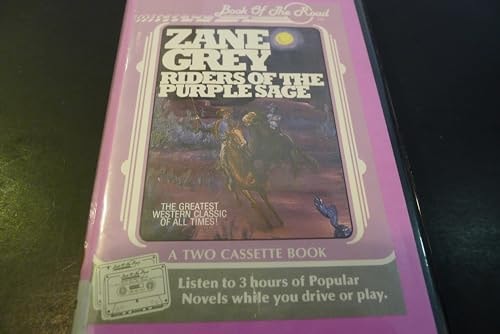
Book of the Road Audio
1985

Pocket Books
1984

Pocket Books
1983

Books on Tape, Inc.
1981

Pocket Books
1980

Ulverscroft
1979

New English Library
1978

Grosset & Dunlap
1971
Walter J. Black
1940

Apex Publications
1912

Booklassic
1900

Books on Tape Inc.
1900
Similar Books












Reader Comments
Share Your Thoughts
No comments yet. Be the first to share your thoughts!