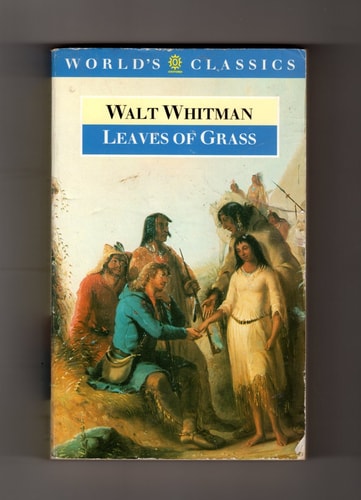
Leaves of Grass
0
0
As an Amazon Associate and affiliate partner, Menrva Books earns from qualifying purchases. Learn more
Author Description
Described by Emily Dickinson as "disgraceful" and by Emerson as "the most extraordinary piece of wit and wisdom that America had yet contributed" to world literature, Leaves of Grass is more than a literary performance. In his departure from the rules of conventional poetry, his breaking down of the metered line, and his discarding of the obligatory rhyme-scheme, Whitman captures the vigorous spirit of the whole American nation. This edition reproduces the 1891-2 text and includes Whitman's preface to the 1855 edition, as well as Emerson's famous letter of 1855, greeting Whitman "at the beginning of a great career."
Menrva's Summary
THE PULSE
Walt Whitman’s collection serves as a radical departure from traditional poetic structures, aiming to encapsulate the expansive and democratic spirit of the American experience. The speaker assumes a persona that is both individual and universal, seeking to merge the self with the natural world and the collective body of humanity. Opposed by the rigid conventions of Victorian-era meter and rhyme, the work utilizes free verse to mirror the chaotic, growing energy of a young nation. The narrative framework is non-linear and expansive, functioning as a series of observations and philosophical meditations rather than a traditional plot-driven sequence.
INSIDE THE PAGES
- Utilization of free verse to break from traditional metrical constraints
- Frequent use of anaphora and cataloging to build rhythmic intensity
- Celebration of the physical body and sensory experience
- Exploration of democratic ideals and the equality of all individuals
- Integration of nature and urban landscapes as interconnected entities
- Direct address to the reader to establish intimacy and connection
- Philosophical focus on the cycle of life, death, and rebirth
- Inclusion of the 1855 preface and historical correspondence
THE COLLECTIVE ECHO
Discussion often centers on Whitman’s role in establishing a distinctively American voice that rejected European stylistic dominance. Readers frequently highlight the raw, uninhibited nature of the verse, which remains a focal point for debates regarding the evolution of modern poetry. Critics often examine how the work balances intense personal introspection with a broad, inclusive vision of society. The text is widely recognized for its influence on subsequent generations of poets who sought to liberate their writing from formal constraints. Scholars continue to analyze the shifting editions of the work as a reflection of the author's changing perspective on his own identity and the state of the nation.
Page Count:
504
Publication Date:
1990-06-07
Publisher:
Oxford University Press
ISBN-10:
0192826751
ISBN-13:
9780192826756
Poetry
Classic Literature
19th Century
American
Community Tags
Other Editions(59)

National Book Network
2024
Default edition
Ascent Audio
2023
Repro India Limited
2022
Independently Published
2021
Independently Published
2021

Tantor and Blackstone Publishing
2021

Independently Published
2020

Information Age Publishing, Incorporated
2020

Independently Published
2020

Independently Published
2020
Courier Dover Publications
2020

Independently Published
2020
Graphic Arts Books
2020
Mint Editions
2020

Independently Published
2020
Sde Classics
2019
Bibliotech Press
2019
Knopf Doubleday Publishing Group
2019

Random House Digital Inc.
2019
Arcturus Publishing
2019

Amazon Digital Services LLC - KDP Print US
2019

Amazon Digital Services LLC - KDP Print US
2018
Amazon Digital Services LLC - KDP Print US
2018

Amazon Digital Services LLC - KDP Print US
2018
Amazon Digital Services LLC - KDP Print US
2018
Amazon Digital Services LLC - KDP Print US
2018
Amazon Digital Services LLC - KDP Print US
2018

Canterbury Classics
2018
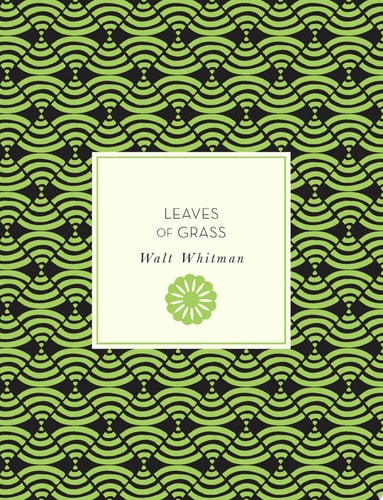
Quarto Publishing Group USA
2018

Independently Published
2017

Simon & Schuster
2017

Gibbs Smith
2017
Dreamscape Media, LLC
2016
Joe Books Ltd
2015
First Avenue Editions ™
2015

First Avenue Editions
2015

Canterbury Classics
2015

Read Books Ltd.
2015

Xist Publishing
2015

Lerner Publishing Group
2015

HarperCollins Publishers
2015

CreateSpace Independent Publishing Platform
2014

HarperCollins
2014
National Geographic Books
2013
Murine Publications
2013

Bibliotech Press
2012
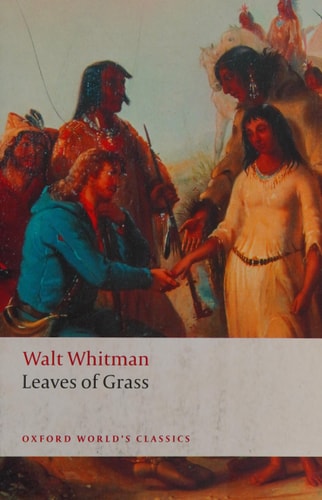
Oxford University Press
2009
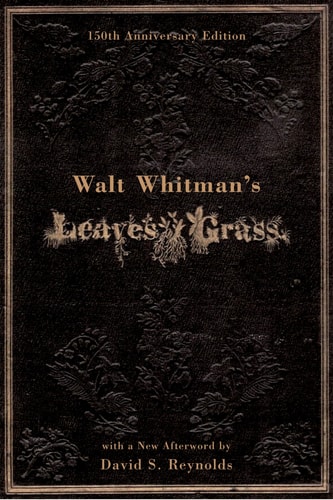
Oxford University Press
2005
Oxford University Press
2005

Random House Digital Inc.
2004

Barnes & Noble World Digital Library
2003
Random House Digital Inc.
2000

HarperCollins
2000

Amereon Limited
1996

Barnes & Noble Incorporated
1993
Vintage Books/Library of America
1992
Oxford University Press
1990

Turtleback
1986

Penguin
1980
Similar Books

Reader Comments
Share Your Thoughts
No comments yet. Be the first to share your thoughts!