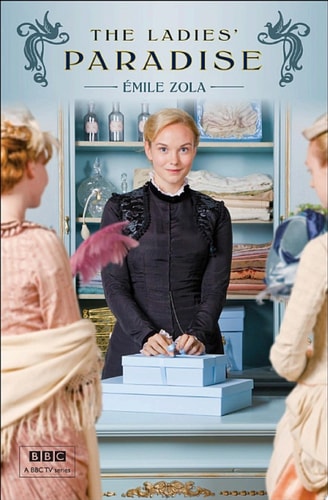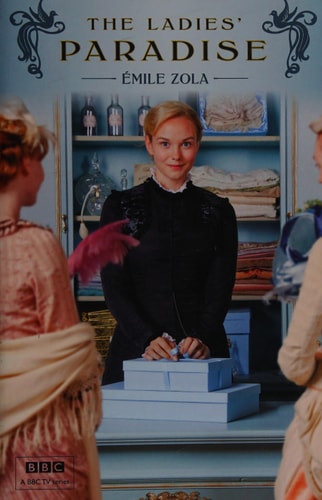
The Ladies' Paradise
0
0
As an Amazon Associate and affiliate partner, Menrva Books earns from qualifying purchases. Learn more
Author Description
The Ladies Paradise (Au Bonheur des Dames) recounts the rise of the modern department store in late nineteenth-century Paris. The store is a symbol of capitalism, of the modern city, and of the bourgeois family: it is emblematic of changes in consumer culture and the changes in sexual attitudes and class relations taking place at the end of the century. This new translation of the eleventh novel in the Rougon-Macquart cycle captures the spirit of one of Zola's greatest works.
Menrva's Summary
THE PULSE
Denise Baudu, a young woman from the provinces, arrives in Paris and finds herself caught in the rapid expansion of a colossal department store that threatens to destroy the traditional small businesses of the neighborhood. Denise must navigate the harsh social hierarchy and predatory labor practices of the store while resisting the advances of its ambitious owner, Octave Mouret. As she climbs the ranks, she observes the transformation of consumer habits and the erosion of old-world values in the face of aggressive capitalism. The narrative employs a third-person perspective to detail the mechanical operations of the store and the psychological shifts of its employees and patrons. The physical environment of the store acts as a central character, exerting pressure on the lives of those who work within its walls.
INSIDE THE PAGES
- Detailed depiction of the rise of nineteenth-century retail culture
- Exploration of the conflict between small-scale commerce and corporate expansion
- Analysis of class mobility and gender dynamics in urban settings
- Vivid descriptions of the sensory overload within the department store
- Examination of the psychological impact of consumerism on the bourgeoisie
- Portrayal of the harsh working conditions for shop assistants
- Use of the store as a metaphor for modern societal shifts
- Focus on the intersection of personal ambition and economic progress
THE COLLECTIVE ECHO
Readers frequently highlight the meticulous detail Zola employs to describe the architectural and economic mechanics of the department store. Discussion often centers on the tension between the protagonist's moral integrity and the seductive, often destructive, nature of the retail environment. Critics observe that the work serves as a significant historical document regarding the evolution of capitalism and urban life in Paris. The pacing is noted for its deliberate, observational style that mirrors the relentless growth of the store itself. Many readers find the exploration of class relations and the changing status of women in the workforce to be particularly relevant to modern economic discourse.
Page Count:
480
Publication Date:
2008-09-01
Publisher:
Oxford University Press
ISBN-10:
0192836021
ISBN-13:
9780192836021
Historical Fiction
French literature
Social Commentary
Classic Literature
Realism