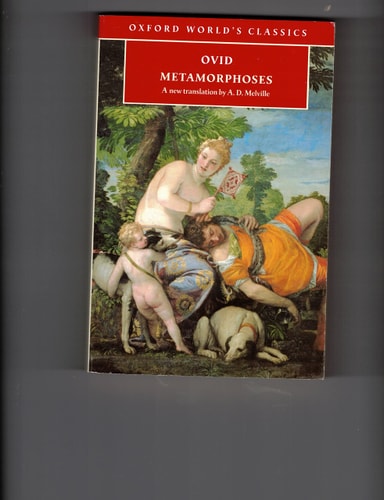
Metamorphoses
0
0
As an Amazon Associate and affiliate partner, Menrva Books earns from qualifying purchases. Learn more
Author Description
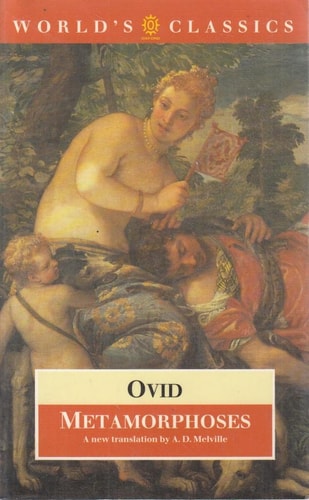
Metamorphoses--the best-known poem by one of the wittiest poets of classical antiquity--takes as its theme change and transformation, as illustrated by Greco-Roman myth and legend. Melville's new translation reproduces the grace and fluency of Ovid's style, and its modern idiom offers a fresh understanding of Ovid's unique and elusive vision of reality.
Menrva's Summary
THE PULSE
The central conflict involves the constant, often violent, and unpredictable transformation of gods, humans, and nature as they navigate the shifting boundaries of existence. Ovid presents a vast, non-linear narrative framework that links hundreds of Greco-Roman myths through the common thread of metamorphosis. The protagonist is not a single individual, but rather the concept of change itself, which acts as a force that disrupts the desires and fates of countless mythological figures. These characters must contend with the whims of capricious deities and the physical limitations of their own bodies as they undergo radical shifts in form and identity.
INSIDE THE PAGES
- Extensive use of hexameter verse structure
- Non-linear narrative organization connecting disparate myths
- Focus on the fluidity of identity and physical form
- Integration of Roman and Greek mythological traditions
- Stylistic emphasis on wit, irony, and rhetorical flourish
- Exploration of the relationship between divine power and human suffering
- Vivid descriptions of biological and elemental transformation
- Philosophical inquiry into the nature of permanence in a changing world
THE COLLECTIVE ECHO
Readers and critics frequently highlight the technical precision of Ovid's verse and his ability to maintain a cohesive tone across such a diverse array of stories. Discussion often centers on the poet's unique blend of humor and tragedy, which prevents the work from becoming overly didactic or somber. Many scholars emphasize the influence of this text on Western literature, noting how its structural innovations paved the way for later narrative techniques. The balance between mythological action and psychological insight remains a primary focus for those analyzing the work's enduring relevance. Readers often find that the fluidity of the prose makes the complex mythological references accessible while maintaining the gravity of the original classical themes.
Page Count:
528
Publication Date:
1998-07-23
Publisher:
Oxford University Press
ISBN-10:
019283472X
ISBN-13:
9780192834720
Poetry
Kindle Store
Classical Mythology
Epic Poetry
Ancient
Categories
Mythology
Themes & Styles
Kindle eBooks
Community Tags
Other Editions(32)
Creative Media Partners, LLC
2026
Default edition
Penguin
2022
Penguin US
2022

W. W. Norton
2021

CreateSpace Independent Publishing Platform
2018

CreateSpace Independent Publishing Platform
2018
CreateSpace Independent Publishing Platform
2018
Independently Published
2017

CreateSpace Independent Publishing Platform
2017
Big Nest
2016
Penguin Publishing Group
2016
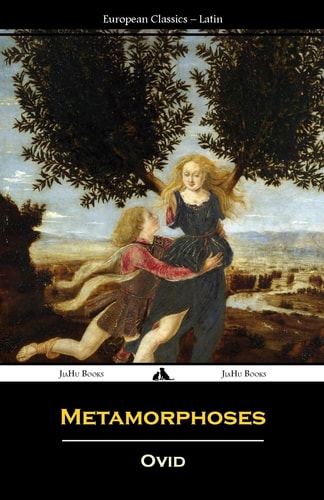
JiaHu Books
2013
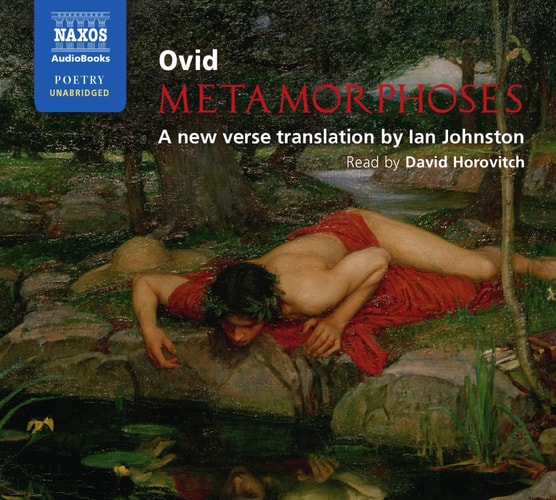
Naxos AudioBooks
2012
Hackett Publishing
2010

Alma Classics
2010
Hackett Publishing Company
2010
General Books LLC
2010

Perfection Learning Corporation
2009

CreateSpace Independent Publishing Platform
2009
Blackstone Audiobooks, Inc.
2008

W. W. Norton
2005
Penguin
2004

National Geographic Books
2004
Penguin UK
2004

W. W. Norton & Company
2004
Oxford University Press
1998
n/a
1990
Oxford University Press
1986

Laurida Pub Co
1978
Indiana University Press
1967
National Geographic Books
1955
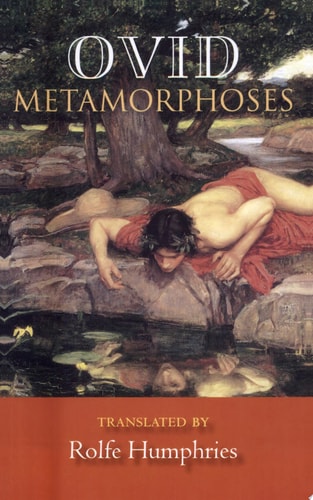
Indiana University Press
1955
Similar Books



Reader Comments
Share Your Thoughts
No comments yet. Be the first to share your thoughts!