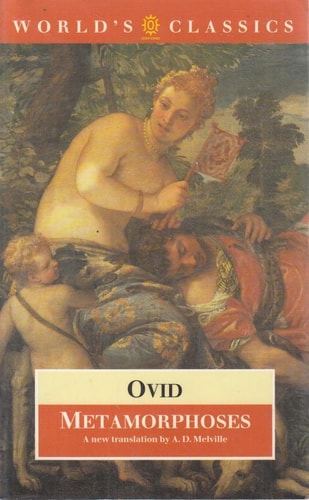
Metamorphoses
0
0
As an Amazon Associate and affiliate partner, Menrva Books earns from qualifying purchases. Learn more
Author Description
Metamorphoses--the best-known poem by one of the wittiest poets of classical antiquity--takes as its theme change and transformation, as illustrated by Greco-Roman myth and legend. Melville's new translation reproduces the grace and fluency of Ovid's style, and its modern idiom offers a fresh understanding of Ovid's unique and elusive vision of reality.
Menrva's Summary
THE PULSE
The central conflict involves the constant, often violent, transformation of gods, mortals, and nature as they navigate the shifting boundaries of existence. Ovid organizes these narratives through a chronological framework that begins with the creation of the world and concludes with the deification of Julius Caesar. The protagonist is not a single individual but the concept of change itself, which manifests through the desires, hubris, and interventions of the Greco-Roman pantheon. The narrative structure relies on a series of interconnected vignettes, where one transformation frequently serves as the catalyst for the next, creating a fluid, non-linear experience of mythic history.
INSIDE THE PAGES
- Extensive use of hexameter verse structure
- Interconnected narrative cycles
- Focus on physical and psychological metamorphosis
- Integration of Greco-Roman mythological figures
- Exploration of divine intervention in human affairs
- Thematic emphasis on the instability of identity
- Vivid descriptions of natural and supernatural phenomena
- Philosophical reflections on the nature of time and change
THE COLLECTIVE ECHO
Discussion often centers on Ovid's ability to maintain a cohesive narrative while shifting rapidly between disparate myths. Readers frequently highlight the technical mastery of the verse and the poet's ironic, often detached tone toward the suffering of his subjects. Critics often examine how the work functions as a commentary on the political and social climate of Augustan Rome. The text remains a primary reference point for Western literature, with many noting its influence on later poets and artists who sought to capture the fluidity of human experience.
Page Count:
480
Publication Date:
1990-01-01
Publisher:
n/a
ISBN-10:
0192816918
ISBN-13:
9780192816917
Poetry
Classical
Epic Poetry
Mythology
Roman
Community Tags
Other Editions(32)
Creative Media Partners, LLC
2026
Default edition
Penguin
2022

Penguin US
2022

W. W. Norton
2021

CreateSpace Independent Publishing Platform
2018

CreateSpace Independent Publishing Platform
2018

CreateSpace Independent Publishing Platform
2018
Independently Published
2017

CreateSpace Independent Publishing Platform
2017
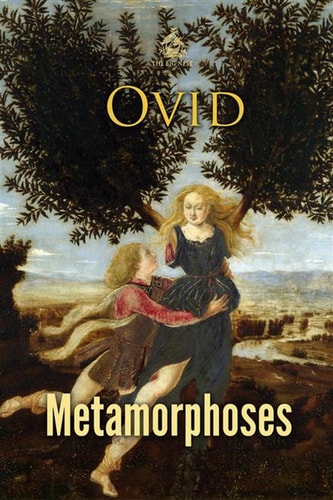
Big Nest
2016

Penguin Publishing Group
2016

JiaHu Books
2013
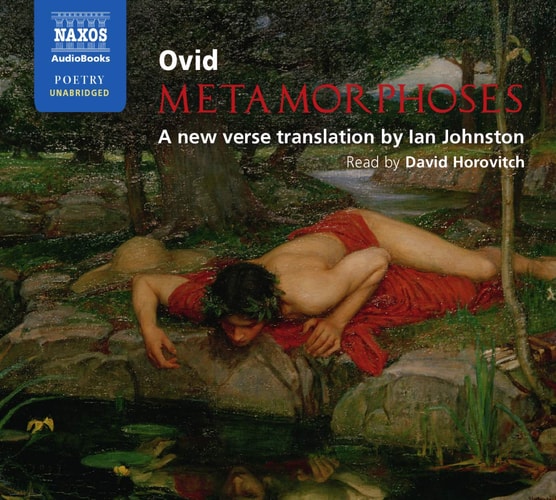
Naxos AudioBooks
2012
Hackett Publishing
2010

Alma Classics
2010
Hackett Publishing Company
2010
General Books LLC
2010

Perfection Learning Corporation
2009

CreateSpace Independent Publishing Platform
2009

Blackstone Audiobooks, Inc.
2008

W. W. Norton
2005
Penguin
2004

National Geographic Books
2004
Penguin UK
2004

W. W. Norton & Company
2004
Oxford University Press
1998
n/a
1990
Oxford University Press
1986

Laurida Pub Co
1978
Indiana University Press
1967
National Geographic Books
1955
Indiana University Press
1955
Similar Books
Reader Comments
Share Your Thoughts
No comments yet. Be the first to share your thoughts!