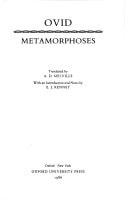
Metamorphoses
0
0
As an Amazon Associate and affiliate partner, Menrva Books earns from qualifying purchases. Learn more
Author Description
Ovid’s Metamorphoses is an epic poem written in Latin, composed of fifteen books, which explores the theme of transformation and change. The narrative follows a chronological order, beginning with the world’s creation and ending with the reign of Julius Caesar. Ovid retells traditional Greek and Roman myths, focusing on the transformations of gods, heroes, and mortals as they undergo physical, emotional, and psychological changes that reflect the complexities of the human experience. Some of the most famous stories in the Metamorphoses include the tales of Apollo and Daphne, Pyramus and Thisbe, Narcissus and Echo, and the fall of Icarus. While modern scholars consider this epic poem to be Ovid’s magnum opus, the work was not well received by its contemporaries; the Roman emperor Augustus went so far as to exile Ovid and ban his books from Rome’s libraries. Today, this work is considered one of the most influential works in Western culture and has inspired countless authors like Shakespeare, Chaucer, and Dante.
Menrva's Summary
THE PULSE
The central conflict arises from the constant, often violent, state of flux between the divine, the mortal, and the natural world. Ovid presents a series of interconnected narratives that track the history of the world from its inception to the deification of Julius Caesar. The protagonist is not a single individual but the concept of change itself, as gods and humans alike struggle against the constraints of their own desires, hubris, and the whims of fate. The narrative framework utilizes a non-linear, episodic structure that links disparate myths through the common thread of physical or psychological transformation.
INSIDE THE PAGES
- Chronological progression from the creation of the universe to the Roman era
- Integration of Greek and Roman mythological traditions
- Focus on metamorphosis as a catalyst for narrative shifts
- Use of dactylic hexameter in the original Latin composition
- Exploration of divine intervention in human affairs
- Juxtaposition of tragic and comic elements within mythic cycles
- Psychological depth in the portrayal of gods and mortals
- Influence of rhetorical devices to heighten dramatic tension
THE COLLECTIVE ECHO
Discussion often centers on the technical skill Ovid displays in weaving hundreds of distinct myths into a cohesive, fluid narrative. Readers frequently highlight the vivid imagery used to describe the physical transitions of characters, noting how these moments serve as metaphors for deeper human experiences. Critics often examine the political subtext of the work, particularly how the theme of change might reflect the instability of the Roman Empire under Augustus. The enduring influence of the text on later writers like Dante and Shakespeare remains a primary focus of academic analysis. This work is widely recognized for its ability to maintain a consistent tone while shifting between vastly different mythological contexts.
Page Count:
518
Publication Date:
1986-04-10
Publisher:
Oxford University Press
ISBN-10:
0192510339
ISBN-13:
9780192510334
Classics
Fiction
Poetry
Psychology
Biography
Mythology
Roman
Epic Poetry
classic
Community Tags
Other Editions(32)
Creative Media Partners, LLC
2026
Default edition
Penguin
2022

Penguin US
2022

W. W. Norton
2021

CreateSpace Independent Publishing Platform
2018

CreateSpace Independent Publishing Platform
2018

CreateSpace Independent Publishing Platform
2018
Independently Published
2017

CreateSpace Independent Publishing Platform
2017
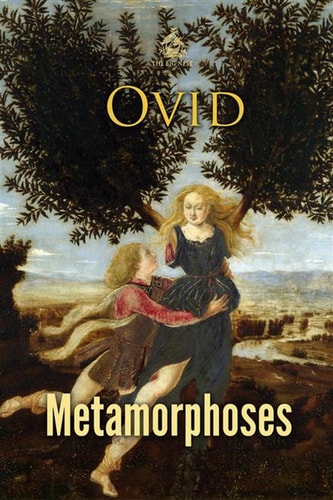
Big Nest
2016

Penguin Publishing Group
2016

JiaHu Books
2013
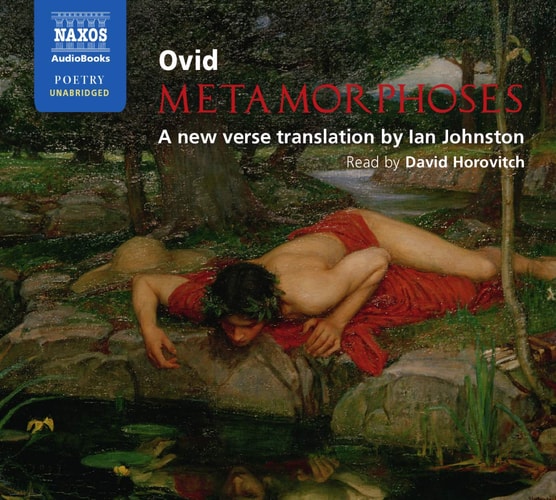
Naxos AudioBooks
2012
Hackett Publishing
2010

Alma Classics
2010
Hackett Publishing Company
2010
General Books LLC
2010

Perfection Learning Corporation
2009

CreateSpace Independent Publishing Platform
2009

Blackstone Audiobooks, Inc.
2008

W. W. Norton
2005
Penguin
2004

National Geographic Books
2004
Penguin UK
2004

W. W. Norton & Company
2004
Oxford University Press
1998
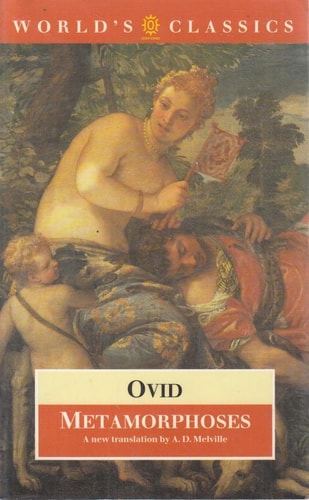
n/a
1990
Oxford University Press
1986

Laurida Pub Co
1978
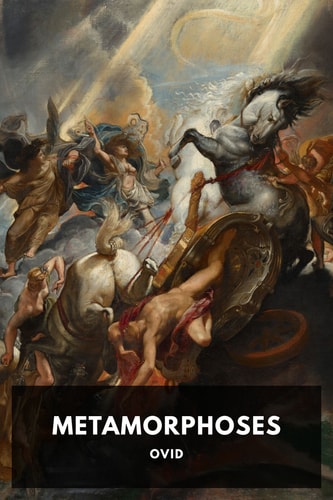
Indiana University Press
1967
National Geographic Books
1955
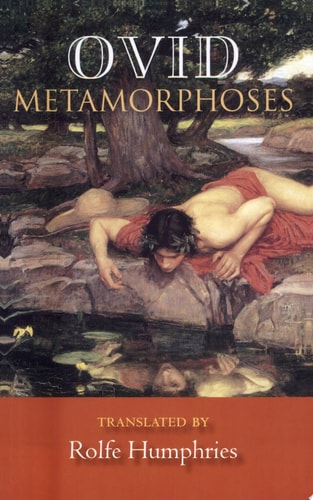
Indiana University Press
1955



Reader Comments
Share Your Thoughts
No comments yet. Be the first to share your thoughts!