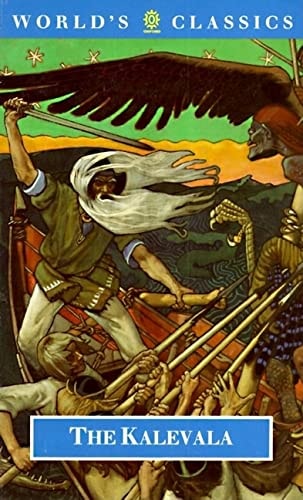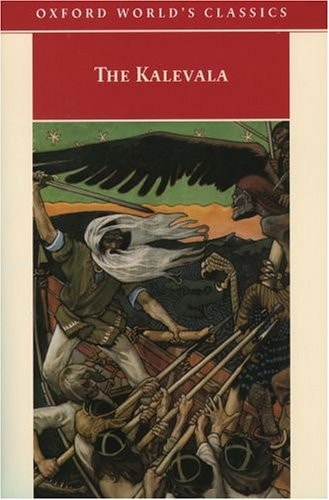
The Kalevala
0
0
As an Amazon Associate and affiliate partner, Menrva Books earns from qualifying purchases. Learn more
Author Description
Often compared to the epics of Homer, The Kalevala consolidates a rich oral tradition with prehistoric roots. Created only 150 years ago as the tradition was dying out, this Finnish epic presents a rare portrait of an ancient people in both war and peace. The Kalevala played a central role in the process towards Finnish independence and inspired some of the greatest works of the composer Sibelius.
Menrva's Summary
THE PULSE
The Kalevala chronicles the mythic origins and heroic struggles of the Finnish people through a series of interconnected songs and incantations. The protagonist figures, including the wise sage Väinämöinen, the smith Ilmarinen, and the adventurer Lemminkäinen, seek to secure prosperity and magical artifacts for their people while navigating the treacherous demands of rival clans and supernatural entities. These characters operate within a world governed by the power of song, where verbal mastery and ancient spells dictate the laws of nature and the outcomes of conflict. The narrative framework consists of fifty runos, or cantos, which weave together disparate oral traditions into a cohesive, rhythmic structure that reflects the cultural identity of the Finnish landscape.
INSIDE THE PAGES
- Use of traditional Kalevalaic meter featuring trochaic tetrameter
- Extensive reliance on alliteration and parallelism as mnemonic devices
- Integration of shamanistic rituals and magical incantations
- Portrayal of the Sampo as a central, life-giving artifact
- Exploration of creation myths and the origin of the world
- Depiction of social customs, marriage rites, and agricultural life
- Juxtaposition of heroic deeds with domestic and communal concerns
- Preservation of pre-Christian Finnish cosmology and belief systems
THE COLLECTIVE ECHO
Readers and scholars frequently discuss the work as a foundational pillar of Finnish national identity and cultural heritage. Discussion often centers on the unique linguistic structure of the epic, which relies heavily on oral performance techniques rather than traditional linear prose. Critics highlight the balance between the fantastical elements of the mythic world and the grounded, realistic portrayals of ancient agrarian life. Many readers find the rhythmic, repetitive nature of the verse to be an immersive experience that mirrors the oral tradition from which it was compiled. The text remains a subject of intense study for those interested in how folklore is synthesized into a national epic.
Page Count:
736
Publication Date:
1999-01-01
Publisher:
Oxford University Press
ISBN-10:
019283570X
ISBN-13:
9780192835703
Folklore
Epic Poetry
Classic Literature
Mythology
Finnish Literature