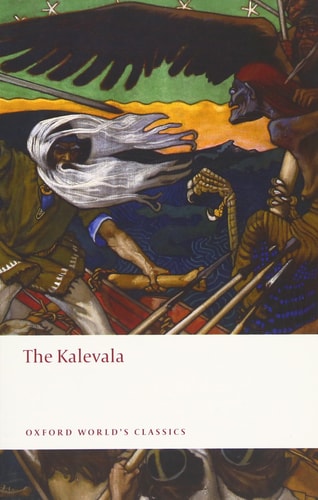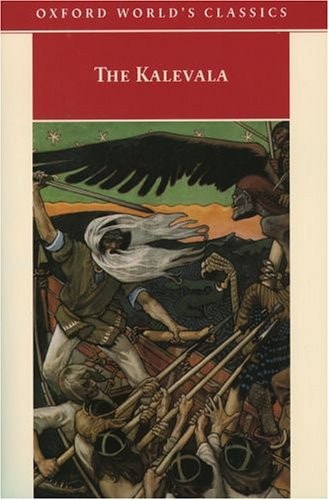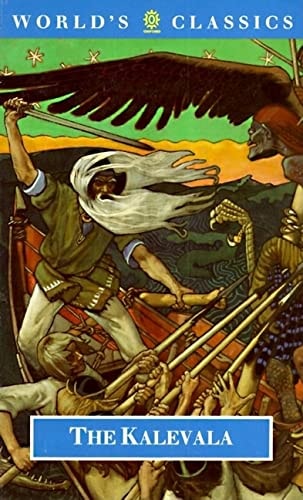
The Kalevala: An Epic Poem after Oral Tradition
0
0
As an Amazon Associate and affiliate partner, Menrva Books earns from qualifying purchases. Learn more
Author Description
Often compared to the epics of Homer, The Kalevala consolidates a rich oral tradition with prehistoric roots. Created only 150 years ago as the tradition was dying out, this Finnish epic presents a rare portrait of an ancient people in both war and peace. The Kalevala played a central role in the process towards Finnish independence and inspired some of the greatest works of the composer Sibelius.
Menrva's Summary
THE PULSE
The Kalevala chronicles the creation of the world and the subsequent struggles of the Finnish people through the deeds of legendary heroes. Protagonists such as Väinämöinen, Ilmarinen, and Lemminkäinen seek to secure the magical Sampo, a device of prosperity, while navigating conflicts with the rival land of Pohjola. The narrative framework utilizes traditional runic meter and oral storytelling conventions to depict a world governed by shamanic power, elemental forces, and ancient oaths. These characters face physical trials and logical constraints defined by the interplay between human ambition and the whims of nature and divinity.
INSIDE THE PAGES
- Rhythmic runic meter characteristic of Finnish oral tradition
- Shamanic incantations and magical songs as primary tools of influence
- Episodic structure reflecting the compilation of disparate folk songs
- Themes of creation, rivalry, and the pursuit of prosperity
- Vivid depictions of Finnish landscapes and seasonal cycles
- Anthropomorphic representations of natural elements
- Exploration of the transition from ancient myth to human history
- Cultural focus on the significance of the Sampo as a symbol of wealth
THE COLLECTIVE ECHO
Readers and scholars frequently describe the work as a foundational pillar of Finnish national identity and cultural heritage. Discussion often centers on the unique stylistic choices Lönnrot made to synthesize fragmented oral traditions into a cohesive epic structure. Critics highlight the balance between the lyrical, song-like quality of the verses and the heavy, often somber tone of the mythological conflicts. Many readers appreciate the atmospheric world-building that captures the stark beauty of the northern wilderness. The text is widely recognized for its influence on later artistic movements, particularly in music and literature, and remains a subject of study for its preservation of pre-Christian belief systems.
Page Count:
736
Publication Date:
1989-09-14
Publisher:
Oxford University Press
ISBN-10:
0192817000
ISBN-13:
9780192817006
Finnish Literature
Epic Poetry
Folklore
Classic Literature
Mythology