The Mother Ditch
0
0
As an Amazon Associate and affiliate partner, Menrva Books earns from qualifying purchases. Learn more
Author Description
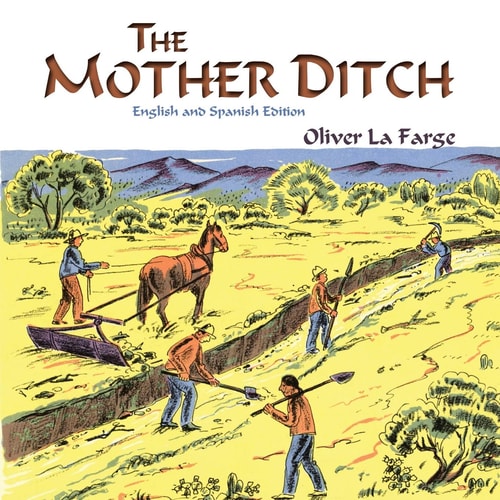
The mother ditch, or acequia madre, is the main water line that is dug by hand and feeds many of the smaller acequias that cover the fertile land of Northern New Mexico. The acequias, water ditches, were used to irrigate the fields of crops for many farmers in the early days of settlement in New Mexico. A unique technology, the acequia, especially the mother ditch, had to be taken care of by everyone in the community that benefited from its generosity. A governing body was established to watch over the utilization and maintenance of the ditch. The mayordomo was the top elected official to preside over the governing council, and he was also required to perform numerous responsibilities representative of the people of the community. The acequia was truly one of the last vestiges of a life where people depended on each other for survival. The life of the community revolved around the acequia. Cooperation was essential to ensure everyone's sustenance. Today, many of the acequias the early settlers of New Mexico depended on have dried up. Yet, when one stands in the footings of these sand pits, you can feel the presence of the power of water that was so significant to the development of human progress in this part of the continent. English and Spanish edition.
Menrva's Summary
THE THESIS
The acequia madre, the main water line of Northern New Mexico, sustained early settlements through communal cooperation and careful management. The book details the vital role of these hand-dug ditches in irrigating crops and fostering interdependence among farmers. It explores the governance structure, led by the mayordomo, which ensured the equitable distribution and maintenance of this precious resource. The narrative reflects on the enduring legacy of these systems, even as many have since dried up, highlighting the historical significance of water to human progress in the region.
THE SCOPE MAP
- The historical significance and function of the acequia madre (mother ditch) in Northern New Mexico.
- The communal governance structure and the role of the mayordomo in managing water resources.
- The importance of cooperation and interdependence for survival in early settlements.
- The technological aspects of hand-dug irrigation systems.
- A reflection on the legacy of these water systems and their impact on regional development.
- The contrast between historical reliance on acequias and their current state.
THE AUTHORITY PERSPECTIVE
This work examines the historical and cultural significance of the acequia madre in Northern New Mexico, focusing on its role in community survival and development. The book highlights the unique cooperative systems and governance structures that were essential for managing water resources. It serves as a testament to the ingenuity of early settlers and the profound impact of water on human progress in the region. The bilingual edition makes this history accessible to both English and Spanish speakers.
Page Count:
64
Publication Date:
2016-11-01
Publisher:
Sunstone Press
ISBN-10:
0865340099
ISBN-13:
9780865340091
Non-Fiction
History
New Mexico
Agriculture
Community
Community Tags
Similar Books