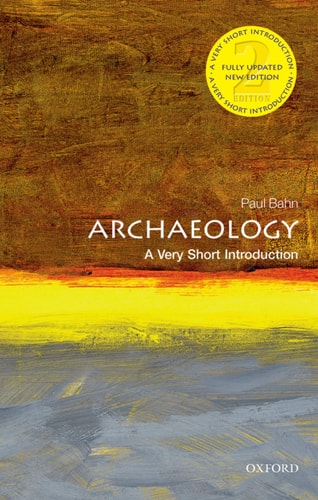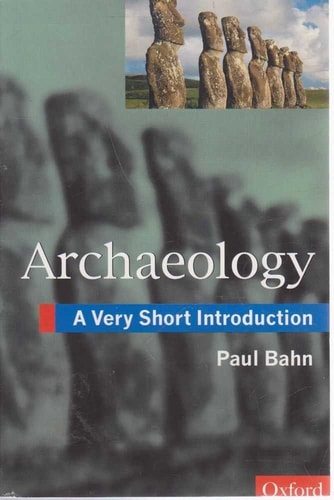
Archaeology: A Very Short Introduction
0
0
As an Amazon Associate and affiliate partner, Menrva Books earns from qualifying purchases. Learn more
Author Description
Why is archaeology so popular? What do archaeologists do? How does archaeology do its detective work, and what purpose does it serve? From deserts to jungles, from deep caves to mountain-tops, from pebble tools to satellite photographs, from excavation to abstract theory, archaeology interacts with nearly every other discipline in its attempts to reconstruct the past. Archaeology: A Very Short Introduction gives entertaining insight into the main concerns of archaeology today, outlining the origins and development of archaeology from an individual treasure hunt to today's massive multidisciplinary projects.An acclaimed authority and popularizer of the subject, Paul Bahn surveys the immense technological developments, and looks at the way in which archaeology can be used, for example, to help Third World countries develop traditional agricultural methods. The growing interest in archaeology is explained by the fascinating questions which the book addresses: "How did people live?", "How did people think?", and "Why did things change?". Later chapters consider current concerns, such as the responsibilities involved in presenting the past to the public, the possibility of "loving archaeology to death," and the belief that many sites would be safest left deep beneath the earth. This very short introduction reflects the enduring popularity of archaeology, a subject which appeals as a pastime, a career and academic discipline, encompasses the whole globe, and surveys 2.5 million years.
Menrva's Summary
THE THESIS
This book investigates the fundamental methodologies, historical evolution, and contemporary societal relevance of archaeology as a scientific discipline. Paul Bahn, a recognized authority in the field, utilizes a broad historical framework to explain how archaeology has transitioned from a treasure-seeking hobby into a rigorous, multidisciplinary science. The text argues that archaeology is essential for understanding human development and addresses the ethical complexities inherent in excavating and presenting the past to the public.
THE SCOPE MAP
What You Will Find
- A survey of 2.5 million years of human history and archaeological development
- Explanations of modern technological tools, including satellite imagery and excavation techniques
- Discussions on the ethics of site preservation and public engagement
Scope Limits
- Does not provide a comprehensive technical manual for field excavation
- Does not focus on a specific geographic region or singular archaeological culture
THE AUTHORITY PERSPECTIVE
Readers and academics frequently highlight this text as a highly accessible entry point for those seeking a broad overview of the field. Experts note that while the prose is concise, it successfully balances historical context with the practical realities of modern archaeological research.
Page Count:
102
Publication Date:
1996-01-19
Publisher:
Oxford University Press
ISBN-10:
0192853252
ISBN-13:
9780192853257
Politics
History
Non-Fiction
Science
Anthropology
Archaeology