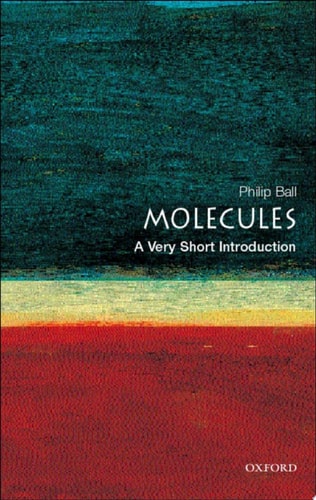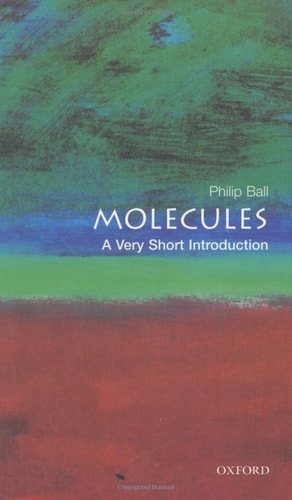
Molecules: A Very Short Introduction
0
0
As an Amazon Associate and affiliate partner, Menrva Books earns from qualifying purchases. Learn more
Author Description
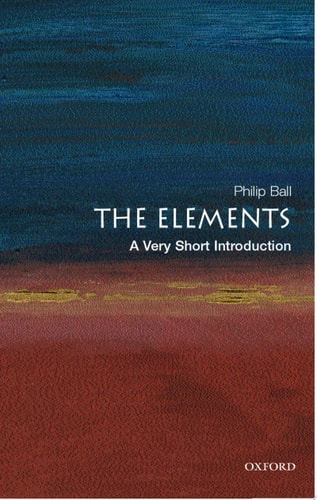
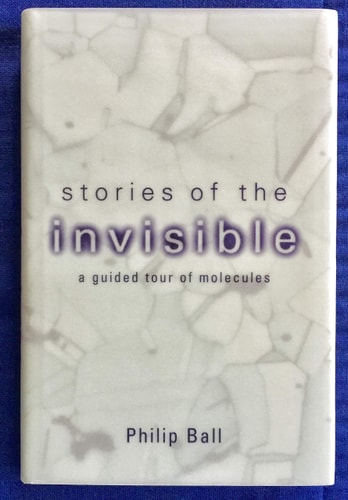
The processes in a single living cell are akin to that of a city teeming with molecular inhabitants that move, communicate, cooperate, and compete. In this Very Short Introduction, Philip Ball explores the role of the molecule in and around us--how, for example, a single fertilized egg can grow into a multi-celled Mozart, what makes spider's silk insoluble in the morning dew, and how this molecular dynamism is being captured in the laboratory, promising to reinvent chemistry as the central creative science of the century.
Menrva's Summary
THE THESIS
This book investigates the fundamental role of molecules as the primary agents of biological and physical processes in the natural world. Philip Ball, a noted science writer with extensive experience in chemistry and physics, utilizes a framework that bridges the gap between microscopic chemical interactions and macroscopic phenomena. He argues that understanding molecular dynamism is essential for grasping the complexity of life and the future of creative chemical engineering.
THE SCOPE MAP
What You Will Find
- Explanations of cellular processes as complex, interactive systems
- Analysis of biological development from a single cell to a complex organism
- Examination of material properties such as the solubility of spider silk
- Discussion of the evolution of chemistry as a central creative science
Scope Limits
- Does not provide a comprehensive textbook-level technical manual for advanced chemical synthesis
- Does not cover the entire history of chemistry, focusing instead on contemporary molecular understanding
THE AUTHORITY PERSPECTIVE
Experts and readers frequently note the accessibility of Ball's prose, which distills complex chemical concepts into clear, engaging narratives. It is widely regarded as a foundational text for those seeking a concise yet rigorous introduction to the molecular basis of life.
Page Count:
224
Publication Date:
2003-12-01
Publisher:
Oxford University Press
ISBN-10:
0192854305
ISBN-13:
9780192854308
Non-Fiction
Science
Popular Science
Chemistry