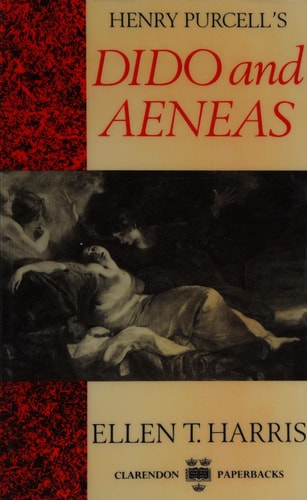
Henry Purcell's Dido and Aeneas
0
0
As an Amazon Associate and affiliate partner, Menrva Books earns from qualifying purchases. Learn more
Author Description
Although it takes little more than an hour to perform, Purcell's Dido and Aeneas stands as the greatest operatic achievement of seventeenth-century England. This book demonstrates the opera's deep roots in the theatrical and musical traditions of its day, summarizing the cultural climate in which the opera was composed and analyzing Nahum Tate's libretto in light of seventeenth-century English music text conventions. Harris also evaluates the surviving sources, comparing them with the original libretto, and discusses the work's performance history and critical reception from the first performance through the revivals of the nineteenth and twentieth centuries.
Menrva's Summary
THE THESIS
This book investigates the historical, cultural, and musical foundations of Henry Purcell's opera Dido and Aeneas to establish its significance within seventeenth-century English performance traditions. Ellen T. Harris, a noted musicologist, utilizes primary source analysis and historical context to argue that the opera is not an isolated masterpiece but a product of specific theatrical conventions. She examines the relationship between Nahum Tate's libretto and the musical structures of the era to provide a comprehensive academic framework for understanding the work's creation and enduring legacy.
THE SCOPE MAP
What You Will Find
- Analysis of seventeenth-century English music text conventions
- Comparative study of surviving musical sources and the original libretto
- Examination of the opera's performance history from the seventeenth through the twentieth centuries
- Contextualization of the cultural climate of the Restoration period
Scope Limits
- Does not provide a comprehensive biography of Henry Purcell
- Does not offer a modern musical score or performance guide
THE AUTHORITY PERSPECTIVE
Scholars and music historians frequently cite this text as a foundational resource for understanding the complexities of Purcell's operatic output. Readers often note the academic density of the prose, which serves as a rigorous reference for students and professionals in the field of musicology.
Page Count:
212
Publication Date:
1990-01-18
Publisher:
Clarendon Press
ISBN-10:
0193152525
ISBN-13:
9780193152526
Music
17th Century
Opera
Musicology
Music History
Community Tags
Other Editions(7)
Similar Books

Reader Comments
Share Your Thoughts
No comments yet. Be the first to share your thoughts!