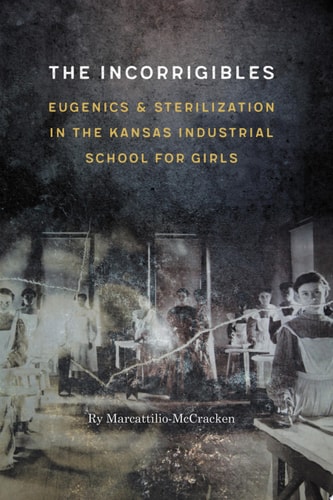
The Incorrigibles
0
0
As an Amazon Associate and affiliate partner, Menrva Books earns from qualifying purchases. Learn more
Author Description
Between September 1935 and June 1936, sixty-two girls from a reformatory in north-central Kansas were sterilized in the name of eugenics. None of the girls were habitual criminals, had multiple children, were living on social welfare, or were found to have IQs below seventy; in other words, almost none of them fit the categories usually described by eugenicists as justification for sterilization or covered by Kansas’s eugenic sterilization law. Yet no one at the time—including the reform school superintendent who ordered the procedures performed—had trouble defending the sterilizations as eugenically minded. The general public, however, found the justifications significantly more controversial after the story hit the newspapers. In The Incorrigibles Ry Marcattilio-McCracken interrogates the overlooked history of eugenics in Kansas. He argues that eugenics developed alongside Progressive social welfare reforms in public health, criminal deterrence, child welfare, and juvenile delinquency. Between 1890 and 1955, ideas about rural degenerationism and hereditarianism infused the mission of “progressive” reformers, who linked delinquency, incorrigibility, and immorality to inheritable traits. Marcattilio-McCracken shows how the era’s institutional overcrowding, landmark Supreme Court cases, and the economic downturn of the Great Depression contributed to the sterilization of the students from the Girls’ Industrial School in Beloit, Kansas.
Menrva's Summary
THE THESIS
The Incorrigibles interrogates the history of eugenics in Kansas, specifically focusing on the sterilization of sixty-two girls from a reformatory between 1935 and 1936. The book argues that eugenics became intertwined with Progressive social welfare reforms, linking inheritable traits to delinquency, incorrigibility, and immorality. It examines how institutional conditions, legal precedents, and economic hardship contributed to these forced sterilizations.
THE SCOPE MAP
- A detailed examination of eugenics in Kansas between 1890 and 1955.
- Analysis of the justifications used for sterilization, even when they did not fit typical eugenicist criteria.
- Exploration of the link between Progressive social welfare reforms and eugenics.
- Discussion of how ideas about rural degenerationism and hereditarianism influenced reformers.
- Examination of the role of institutional overcrowding, Supreme Court cases, and the Great Depression.
- Focus on the Girls' Industrial School in Beloit, Kansas, and the sterilizations performed there.
THE AUTHORITY PERSPECTIVE
The book examines the controversial history of eugenics in Kansas, highlighting the sterilization of young women from a reformatory. It positions eugenics as a development alongside Progressive social welfare reforms, connecting perceived inheritable traits to issues like delinquency and immorality. The work also considers the broader societal and economic contexts that facilitated these procedures. The narrative suggests that while the reform school superintendent defended the sterilizations, the general public found them more contentious.
Page Count:
228
Publication Date:
2023-10-01
Publisher:
University of Nebraska Press
ISBN-10:
1496237102
ISBN-13:
9781496237101
History
Non-Fiction
Eugenics
Social History
Community Tags
Similar Books