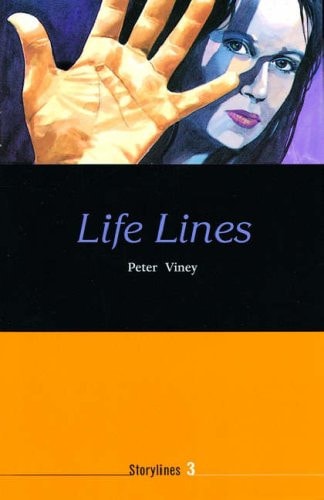
Storylines 3: Life Lines
0
0
As an Amazon Associate and affiliate partner, Menrva Books earns from qualifying purchases. Learn more
Author Description
Rachel works for Computer Astrology Ltd. She has a clever new idea for using the computer to read people's hands. The idea is successful, but Rachel begins to wonder if it is really possible to tell the future. She asks the computer to compare thousands of hands. The results are surprising - and frightening.
Menrva's Summary
THE PULSE
When a software developer creates a program to analyze palmistry through digital imaging, she inadvertently uncovers a pattern that suggests the future is not only predictable but potentially catastrophic. Rachel, an employee at Computer Astrology Ltd., seeks to modernize ancient divination through algorithmic processing. Her objective is to validate her technological innovation, yet she finds herself opposed by the chilling implications of the data her own machine produces. The narrative follows her internal conflict as she balances professional success against the existential dread of deterministic outcomes.
INSIDE THE PAGES
- Exploration of the intersection between ancient mysticism and modern computing
- First-person perspective focusing on the protagonist's psychological shift
- Pacing that accelerates as the computer's findings become more ominous
- Themes of technological overreach and the loss of free will
- A contained narrative structure typical of short story collections
- Focus on the ethical implications of data-driven prediction
- Atmospheric tension built through the cold, clinical nature of computer analysis
- A climax centered on the realization of a pre-written fate
THE COLLECTIVE ECHO
Community & Critical Observation: Readers frequently highlight the unsettling premise of this story, noting how it effectively blends mundane office life with speculative horror. Discussion often centers on the ethical dilemma Rachel faces when her tool begins to yield results that defy logical explanation. Critics observe that the pacing is tight, allowing the narrative to build suspense without unnecessary exposition. The story is often praised for its ability to make the reader question the reliability of technology in predicting human behavior. It remains a notable entry for those interested in short-form fiction that explores the darker side of innovation.
Page Count:
24
Publication Date:
1996-01-01
Publisher:
Oxford University Press España, S.A.
ISBN-10:
0194219402
ISBN-13:
9780194219402
Fiction
Mystery
Techno-thriller
Short Stories
Community Tags
Other Editions(2)
Similar Books