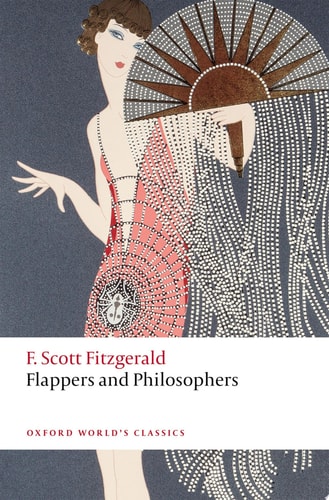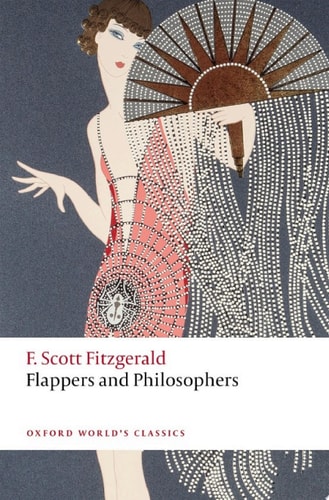
Flappers and Philosophers
0
0
As an Amazon Associate and affiliate partner, Menrva Books earns from qualifying purchases. Learn more
Author Description
'Lie to me by the moonlight. Do a fabulous story.' F. Scott Fitzgerald's first story collection, Flappers and Philosophers, appeared in 1920 on the heels of his debut novel, This Side of Paradise, and immediately established him as a master of popular fiction. Love stories such as 'The Offshore Pirate' and 'Head and Shoulders' capture the spectacle and fantasy of the Jazz Age, celebrating that modern icon of feminine self-possession, the flapper, while comedies of manner like 'Bernice Bobs Her Hair' and 'The Ice Palace' showcase Fitzgerald's eye for humour. In addition to these four classic tales, which first appeared in The Saturday Evening Post, this edition highlights the author's proficiency with other crowd-pleasing story types: from Gothic fiction ('The Cut-Glass Bowl') to didactic moral stories ('The Four Fists'), from satire ('Dalyrimple Goes Wrong') to spiritual quests ('Benediction'), Fitzgerald tried his hand at many genres---and succeeded at all.
Menrva's Summary
THE PULSE
This collection of short stories captures the social tensions and romantic aspirations of the American Jazz Age through a series of distinct, character-driven narratives. The protagonist in each story often navigates the rigid expectations of high society or the shifting moral landscape of the 1920s. Fitzgerald employs a variety of narrative frameworks, ranging from third-person observational comedy to more introspective, character-focused studies. The physical and logical constraints of these stories are defined by the era's preoccupation with status, wealth, and the emerging independence of the modern woman.
INSIDE THE PAGES
- Exploration of the flapper archetype as a symbol of feminine autonomy
- Satirical commentary on the manners and social rituals of the upper class
- Integration of Gothic elements to heighten psychological tension
- Use of didactic moral frameworks to examine personal integrity
- Focus on the spectacle and fantasy inherent in Jazz Age culture
- Examination of spiritual and existential quests within mundane settings
- Stylistic versatility across multiple subgenres of short fiction
- Detailed character studies highlighting the pursuit of social mobility
THE COLLECTIVE ECHO
Discussion often centers on Fitzgerald's ability to balance lighthearted social observation with deeper, more cynical undertones regarding the American dream. Readers frequently highlight the sharp wit present in stories like 'Bernice Bobs Her Hair' as a primary indicator of the author's early narrative strength. Critics often note that the collection serves as a foundational text for understanding the cultural anxieties of the 1920s. The pacing is generally described as brisk, reflecting the frenetic energy of the era while maintaining a focus on individual character development. Many readers find the variety of genres represented in the collection to be a testament to the author's technical range during his formative years.
Page Count:
240
Publication Date:
2020-01-01
Publisher:
OUP Oxford
ISBN-10:
0192592777
ISBN-13:
9780192592774
Fiction
Satire
English & College Success
Short Stories
English
Gothic
Classic Literature
Jazz Age