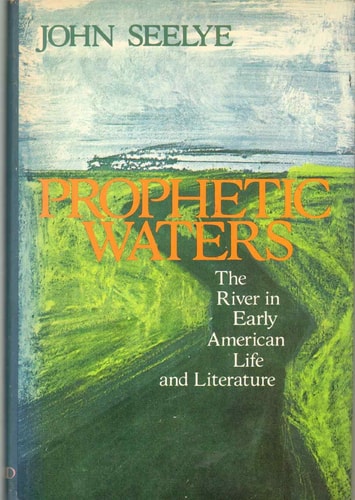
Prophetic Waters: The River in Early American Life and Literature
0
0
As an Amazon Associate and affiliate partner, Menrva Books earns from qualifying purchases. Learn more
Author Description
Shows that out of the attempts of colonial writers to give symbolic form to the river-centered landscape metaphoric patterns emerged which endured on American literature.
Menrva's Summary
THE THESIS
This work investigates how the river-centered landscape of colonial America functioned as a foundational metaphor that shaped the trajectory of early American literature. John D. Seelye, a scholar of American literature, examines the intersection of geography and imagination by analyzing how early writers transformed physical waterways into symbolic structures. By tracing these patterns, the author argues that the river became a primary vehicle for expressing national identity and cultural anxieties in the formative years of the United States.
THE SCOPE MAP
What You Will Find
- Analysis of colonial-era travelogues and literary accounts of American waterways.
- Examination of the symbolic evolution of the river as a metaphor for progress and destiny.
- Historical context regarding the role of rivers in early American settlement and expansion.
- A framework for understanding how landscape features influence national literary traditions.
THE AUTHORITY PERSPECTIVE
Scholars frequently cite this text as a significant contribution to the study of American environmental literature and the history of ideas. It is recognized for its detailed exploration of how early writers conceptualized the American wilderness through the lens of its river systems.
Page Count:
423
Publication Date:
1977-04-28
Publisher:
Oxford University Press
ISBN-10:
0195020472
ISBN-13:
9780195020472
History
Environmental History
Literary Criticism
American Studies
Community Tags
Similar Books