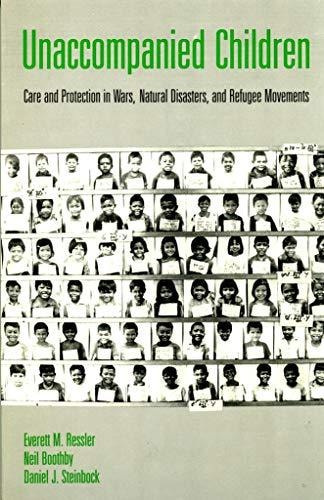
Unaccompanied Children: Care and Protection in Wars, Natural Disasters, and Refugee Movements
0
0
As an Amazon Associate and affiliate partner, Menrva Books earns from qualifying purchases. Learn more
Author Description
From the Spanish Civil War to the boat people of Vietnam, children in our century have been tragically separated from their families in emergencies. This interdisciplinary study of these "unaccompanied children" summarizes the kinds of separations, their causes, and the responses of national, international, and voluntary organizations. Drawing on historical, psychological, and legal perspectives, this work recounts nine 20th-century crises, reviews the powerful psychological effects of family separations, describes present legal protections for these children in comparative and international law, and presents a comprehensive set of recommendations for the international treatment of this enduring problem.
Menrva's Summary
THE THESIS
This work investigates the systemic challenges and protective failures surrounding children separated from their families during global crises. The authors, drawing on their expertise in law, psychology, and humanitarian aid, synthesize historical data and legal frameworks to analyze the long-term impact of displacement on minors. By examining nine distinct 20th-century emergencies, the text argues for a more robust, standardized international approach to the care and reunification of unaccompanied children.
THE SCOPE MAP
What You Will Find
- Historical analysis of nine 20th-century humanitarian crises including the Spanish Civil War and the Vietnamese refugee movements.
- Comparative legal review of international protections and national policies regarding displaced minors.
- Psychological assessment of the trauma associated with family separation and institutional care.
- A comprehensive set of policy recommendations for international organizations and voluntary agencies.
THE AUTHORITY PERSPECTIVE
Experts recognize this text as a foundational interdisciplinary resource for understanding the intersection of humanitarian law and child welfare. Readers frequently note the academic density of the prose, which serves as a critical reference for professionals working in international relief and policy development.
Page Count:
432
Publication Date:
1987-11-19
Publisher:
Oxford University Press, Incorporated
ISBN-10:
0195049373
ISBN-13:
9780195049374
History
Psychology
Human rights
Sociology
International Law
Social Work
Child Welfare
Community Tags
Other Editions(2)

Similar Books