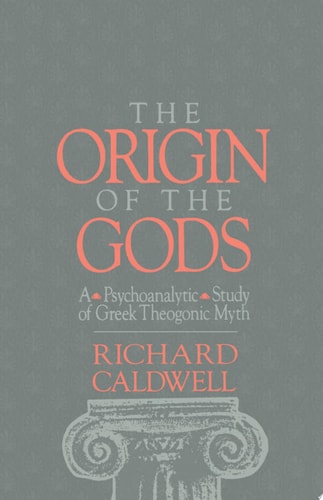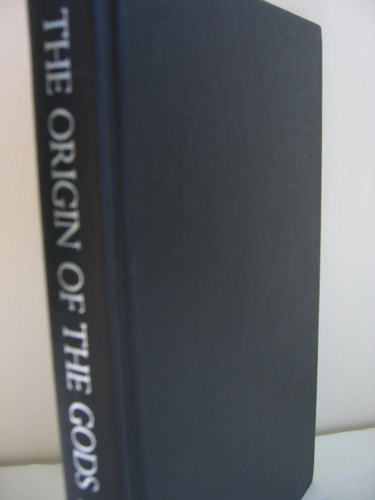
The Origin of the Gods: A Psychoanalytic Study of Greek Theogonic Myth
0
0
As an Amazon Associate and affiliate partner, Menrva Books earns from qualifying purchases. Learn more
Author Description
This innovative study posits that myths in general, and Greek theogonic myth in particular, have a latent meaning that is responsible both for the emotional energy inherent in myths, and for the special attraction they have even to those who no longer believe in their literal meaning. Caldwell describes, in clear and comprehensible language, aspects of psychoanalytic theory relevant to the understanding of Greek myth, implementing a psychoanalytic methodology to interpret the Greek myth of origin and succession, particularly as stated in Hesiod's Theogony. In reassessing this work, which tells the story of the world's beginning from unbounded Chaos to the defeat of the Titans, Caldwell addresses several unexplained problems-- why does the world begin with the spontaneous emergence of four uncaused entities, and why in this particular order? Why does Ouranos prevent his children from being born by confining them in their mother's body? Why is Ouranos castrated by his son, and why is Aphrodite born from the severed genitals? Why is it always the youngest son who overthrows his father, the sky-god, and what is the logic of the steps taken by Zeus to prevent the same thing happening to him? Presenting a new definition and analyses of the psychological functions in myth, this new study should appeal to a wide range of classicists, teachers and students of mythology, psychoanalysts, and those interested in the application of psychoanalytic methods to literature.
Menrva's Summary
THE THESIS
This study investigates whether the latent psychological meaning within Greek theogonic myths accounts for their enduring emotional resonance and cultural persistence. Richard S. Caldwell utilizes a psychoanalytic framework to interpret the succession myths found in Hesiod's Theogony. By applying concepts from depth psychology to the narrative of the world's origin, the author seeks to explain the symbolic logic behind the violent generational conflicts between primordial deities. The work argues that these myths function as projections of universal human psychological development and internal conflict.
THE SCOPE MAP
What You Will Find
- Psychoanalytic interpretation of Hesiod's Theogony and the succession of Greek gods.
- Analysis of specific mythological motifs including castration, confinement, and the emergence of deities from Chaos.
- Application of Freudian and post-Freudian psychological theories to classical literature.
- Examination of the psychological functions of myth in relation to human development and family dynamics.
THE AUTHORITY PERSPECTIVE
Scholars and students of classics frequently cite this work as a primary example of applying psychoanalytic methodology to ancient texts. Readers often note the clarity of the prose, which makes complex psychological concepts accessible to those outside the field of clinical psychology.
Page Count:
224
Publication Date:
1989-11-09
Publisher:
Oxford University Press
ISBN-10:
0195055047
ISBN-13:
9780195055047
Classics
Psychology
Psychoanalysis
Gods Greek
Literary Criticism
Mythology
Community Tags
Similar Books