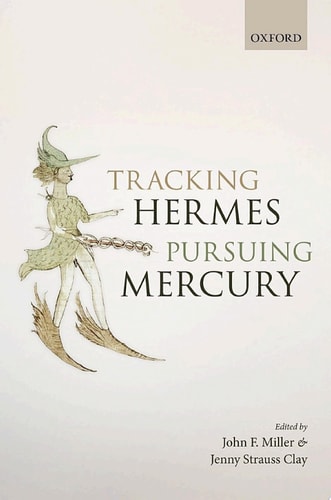
Tracking Hermes, Pursuing Mercury
0
0
As an Amazon Associate and affiliate partner, Menrva Books earns from qualifying purchases. Learn more
Author Description
Of all the divinities of classical antiquity, the Greek Hermes (Mercury in his Roman alter ego) is the most versatile, enigmatic, complex, and ambiguous. The runt of the Olympian litter, he is the god of lies and tricks, yet is also kindly towards mankind and a bringer of luck. His functions embrace both the marking of boundaries and their transgression, but also extend to commerce, lucre, and theft, as well as rhetoric and practical jokes. In another guise, he plays the role of mediator between all realms of human and divine activity, embracing heaven, earth, and the netherworld. Pursuing this elusive divinity requires a truly multidisciplinary approach, reflecting his prismatic nature, and the twenty contributions to this volume draw on a wide range of fields to achieve this, from Greek and Roman literature (epic, lyric, and drama), epigraphy, cult, and religion, to vase painting and sculpture. In offering an overview of the myriad aspects of Hermes/Mercury-including his origins, patronage of the gymnasium, and relation to other trickster figures-the volume attempts to track the god's footprints across the many domains in which he partakes. Moreover, in keeping with his deep connection to exchange, commerce, and dialogue, it aims to exemplify and further encourage discourse between Latinists and Hellenists, as well as between scholars of literary and material cultures.
Menrva's Summary
THE THESIS
This volume investigates the multifaceted nature of the deity Hermes/Mercury by examining his roles across various domains of classical antiquity. Editors Jenny Strauss Clay and John F. Miller compile twenty scholarly contributions that utilize a multidisciplinary framework to analyze the god's presence in literature, cult practice, and material culture. The work argues that understanding such an ambiguous figure requires synthesizing insights from both Latin and Greek studies alongside archaeological evidence.
THE SCOPE MAP
What You Will Find
- Analysis of Hermes/Mercury in epic, lyric, and dramatic literature
- Examination of the god's role in epigraphy, cult, and religious practice
- Interpretations of iconography in vase painting and sculpture
- Comparative studies regarding his status as a trickster figure
Scope Limits
- The text focuses primarily on classical antiquity and does not cover post-classical reception or modern cultural adaptations of the deity.
THE AUTHORITY PERSPECTIVE
Scholars recognize this volume as a comprehensive resource for those interested in the intersection of literary and material culture studies regarding classical deities. The collection is frequently cited for its ability to bridge the gap between Hellenists and Latinists through its diverse range of expert contributions.
Page Count:
402
Publication Date:
2019-01-01
Publisher:
OUP Oxford
ISBN-10:
0191083127
ISBN-13:
9780191083129
History
Religion
Mythology
English & College Success
Gods Greek
Archaeology
Literary Criticism
English
Gods Roman
Community Tags
Other Editions(3)


Similar Books