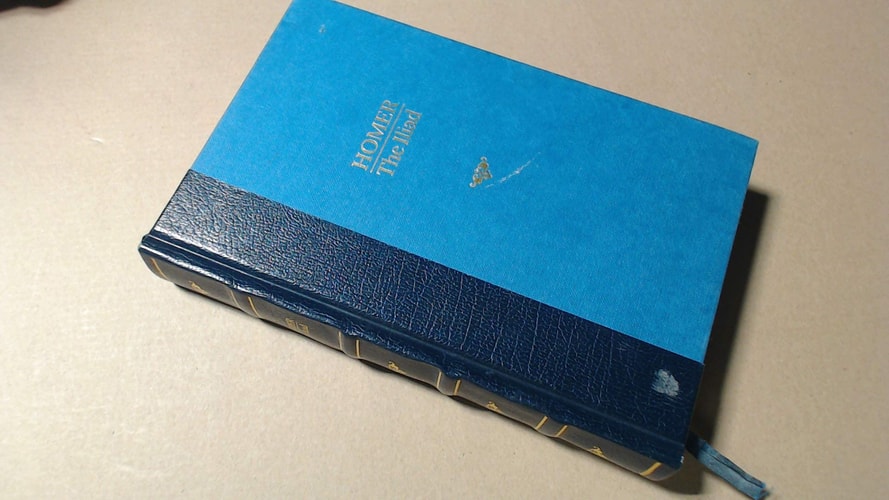
The Iliad
0
0
As an Amazon Associate and affiliate partner, Menrva Books earns from qualifying purchases. Learn more
Author Description
This translation of Homer's Iliad by the poet and classicist Ennis Rees attempts to be both faithful to the original and accessible to the modern reader.
Menrva's Summary
THE PULSE
The rage of Achilles, son of Peleus, triggers a devastating conflict that threatens the survival of the Achaean forces during the final year of the Trojan War. Driven by a perceived slight from King Agamemnon, Achilles withdraws from the battlefield, leaving his comrades vulnerable to the relentless advance of the Trojan army led by Hector. The narrative follows the shifting tides of war as gods and mortals collide, governed by the rigid constraints of fate and the volatile whims of Olympus. Presented as an epic poem, the work utilizes a grand, elevated style to explore the intersection of individual honor and collective destiny. The structure emphasizes the cyclical nature of violence and the inevitable cost of glory.
INSIDE THE PAGES
- Dactylic hexameter verse structure
- Extensive use of epic similes and metaphors
- Divine intervention by Olympian deities
- Focus on the concept of kleos or eternal glory
- Detailed descriptions of armor and weaponry
- Cataloging of ships and military contingents
- Exploration of the human condition under the shadow of mortality
- Thematic emphasis on the consequences of pride and wrath
THE COLLECTIVE ECHO
Discussion often centers on the translation's ability to balance the archaic grandeur of the original Greek with the rhythmic requirements of modern English verse. Readers frequently highlight the visceral nature of the combat scenes and the complex psychological portrait of Achilles as he grapples with his own mortality. Critics often examine how the text maintains its structural integrity while navigating the dense mythological framework that defines the Trojan cycle. The work remains a primary subject of study for its influence on the development of Western narrative traditions and character archetypes. Many readers find the interplay between the human soldiers and the meddling gods to be the most compelling aspect of the epic's enduring legacy.
Page Count:
544
Publication Date:
1991-05-30
Publisher:
Oxford University Press
ISBN-10:
0195068254
ISBN-13:
9780195068252
Historical
Mythology
Epic Poetry
War
classic
Community Tags
Other Editions(154)

Mint Editions
2026
Default edition
Les Prairies Numeriques
2026

Pan Macmillan India Publishing Private Limited
2025
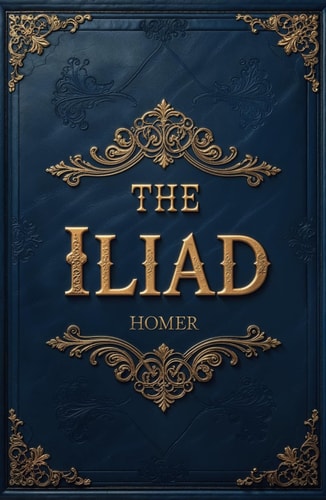
Independently published
2025

Book Sales, Incorporated
2024

Independently published
2024
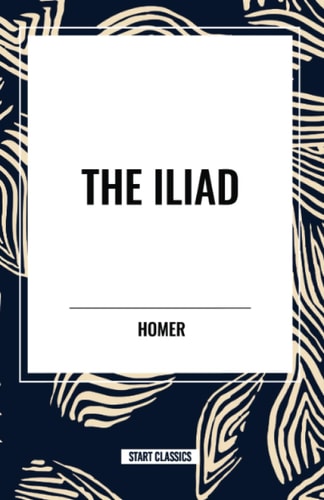
Start Publishing Pd LLC
2024
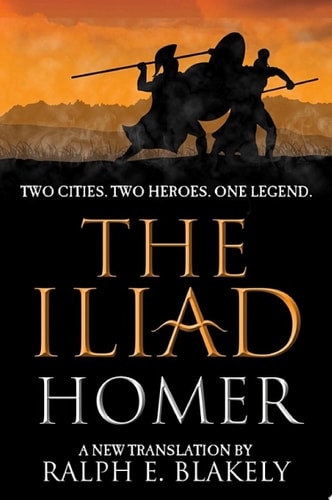
Macmillan + ORM
2024
Independently published
2024

Wise and Wordy
2024

W. W. Norton, Incorporated
2024

Independently published
2023

W. W. Norton
2023
East India Publishing Company
2023
Independently published
2023
Chiltern Publishing
2023
Independently published
2023
W.W. Norton
2023

Book Sales, Incorporated
2022
Lulu Press, Incorporated
2022

Independently Published
2021
Independently published
2021
Independently published
2021
Digireads.com Publishing
2021

Independently Published
2021
BookBaby
2021
Independently published
2021
Independently published
2021

Independently Published
2021
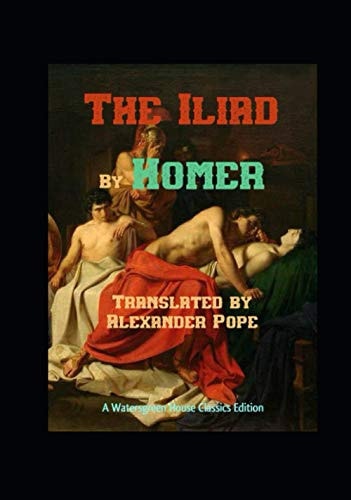
Independently published
2021

Amazon Digital Services LLC - KDP Print US
2021
Independently Published
2021
Independently Published
2020
East India Publishing Company
2020

Independently Published
2020
Independently Published
2020

Independently Published
2020
Benediction Classics
2020
Benediction Classics
2020
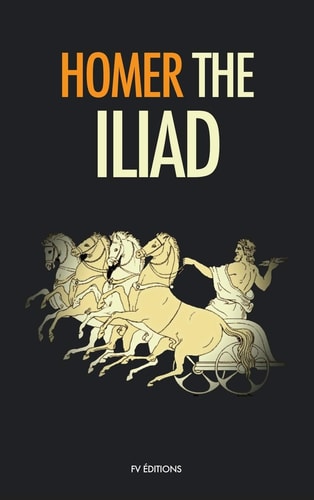
Fv Editions
2020
Amazon Digital Services LLC - KDP Print US
2020

Independently published
2020

Repro India Limited
2020
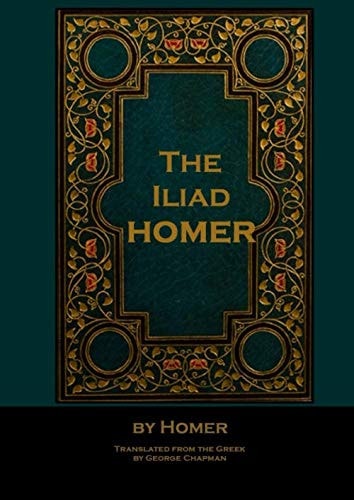
Independently published
2020
Macmillan Collector's Library
2020
Macmillan Trade
2020

Pan Macmillan UK
2020

Pretorian Books
2020

Amazon Digital Services LLC - KDP Print US
2020

Canon Press
2020
Independently Published
2019

Arcturus Publishing
2019

CreateSpace Independent Publishing Platform
2018
Amazon Digital Services LLC - KDP Print US
2018

Max Bollinger
2018

CreateSpace Independent Publishing Platform
2018
CreateSpace Independent Publishing Platform
2018
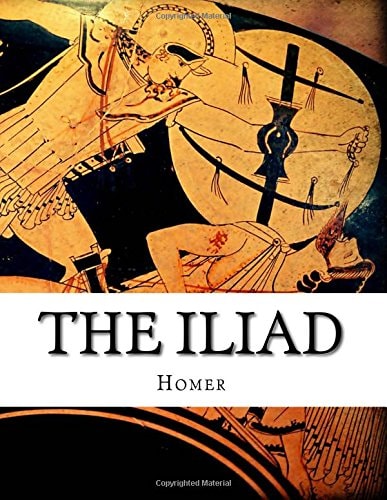
CreateSpace Independent Publishing Platform
2018
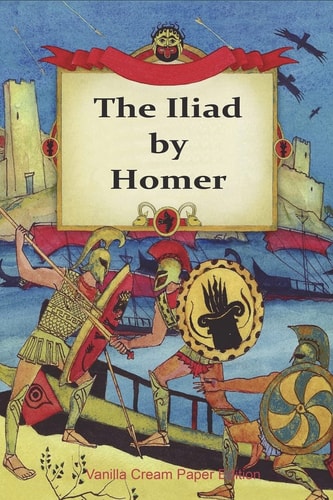
CreateSpace Independent Publishing Platform
2018

CreateSpace Independent Publishing Platform
2018

Paul Dry Books
2018
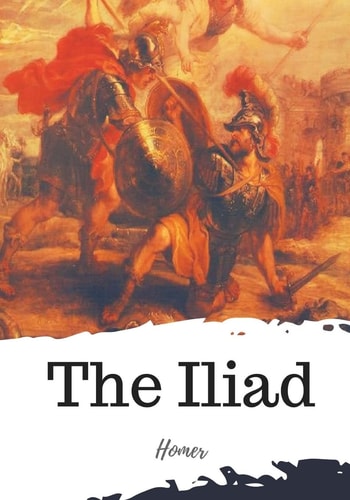
CreateSpace Independent Publishing Platform
2018

Classics Illustrated Comics
2018

CreateSpace Independent Publishing Platform
2017
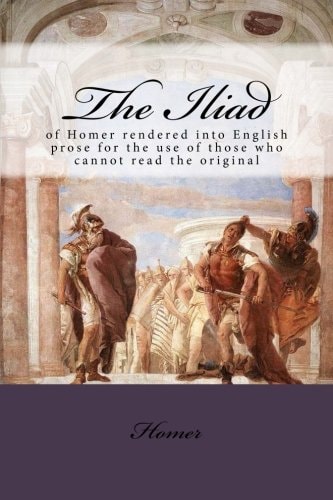
CreateSpace Independent Publishing Platform
2017
CreateSpace Independent Publishing Platform
2017
CreateSpace Independent Publishing Platform
2017

Independently Published
2017
Vintage
2017

Independently Published
2017

CreateSpace Independent Publishing Platform
2017

Independently Published
2017

Independently Published
2017
McClelland & Stewart
2016
CreateSpace Independent Publishing Platform
2016

CreateSpace Independent Publishing Platform
2016
CreateSpace Independent Publishing Platform
2016

CreateSpace Independent Publishing Platform
2016
CreateSpace Independent Publishing Platform
2016
Lulu.com
2016

CreateSpace Independent Publishing Platform
2016
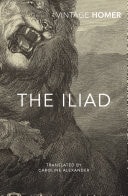
Random House
2016

CreateSpace Independent Publishing Platform
2016
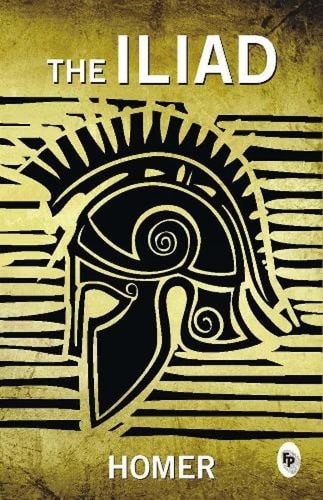
Prakash Books
2016
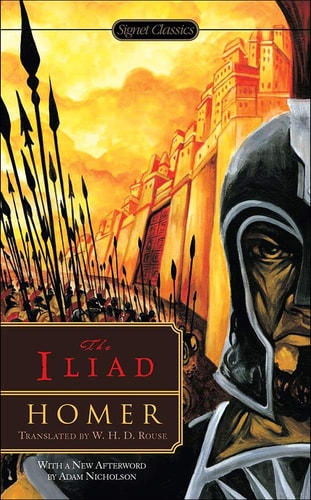
Perfection Learning Corporation
2015
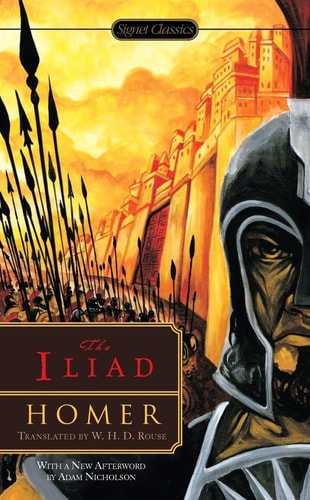
Penguin Publishing Group
2015
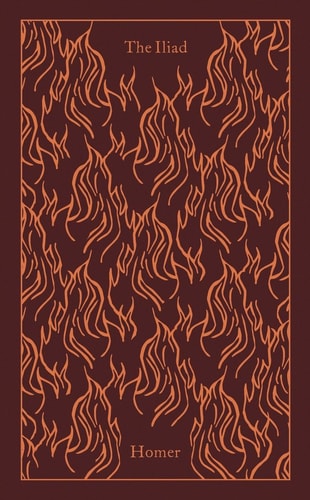
Penguin Publishing Group
2015
CreateSpace Independent Publishing Platform
2015
CreateSpace Independent Publishing Platform
2015

CreateSpace Independent Publishing Platform
2015

CreateSpace Independent Publishing Platform
2015
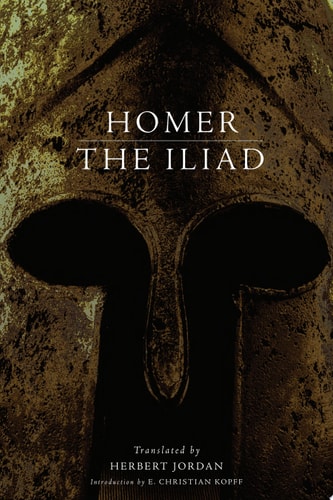
University of Oklahoma Press
2014
First Avenue Editions
2014
First Avenue Editions ™
2014

CreateSpace Independent Publishing Platform
2014
Bottom of the Hill Publishing
2014

CreateSpace Independent Publishing Platform
2013
Oxford University Press
2013
RareBooksClub.com
2013
CreateSpace Independent Publishing Platform
2013
Bod Third Party Titles
2013
HardPress
2013
CreateSpace Independent Publishing Platform
2012

Johns Hopkins University Press
2012
CreateSpace Independent Publishing Platform
2012
Oxford University Press
2011
CreateSpace Independent Publishing Platform
2011
CreateSpace Independent Publishing Platform
2011
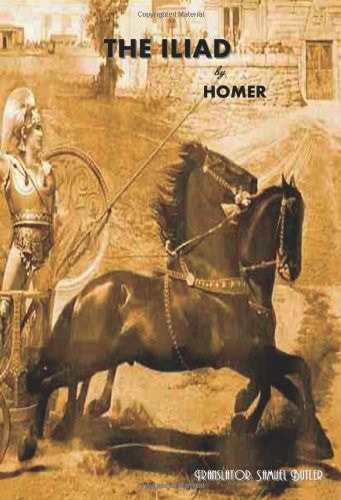
Publishing in Motion
2011
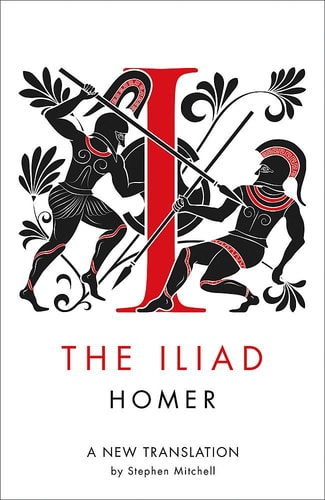
Free Press
2011
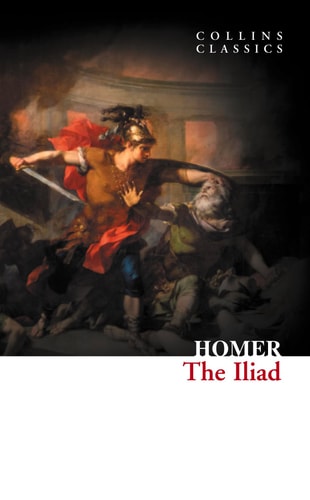
Harper Press
2011
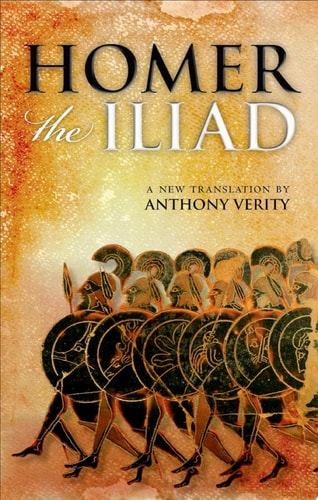
OUP Oxford
2011
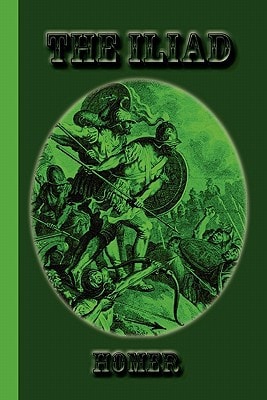
Greenbook Publications, LLC
2010

Tantor Audio
2010
CreateSpace Independent Publishing Platform
2010
ReadHowYouWant.com
2009
ReadHowYouWant.com
2008

Perfection Learning
2007
Wildside Press, LLC
2007
NuVision Publications, LLC
2007
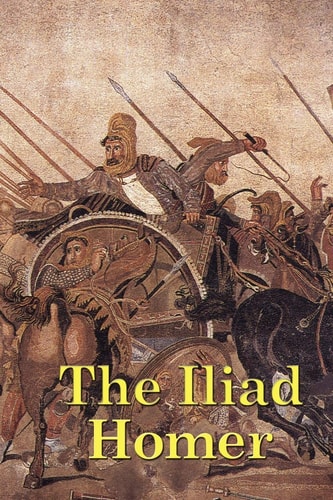
Wilder Publications
2007
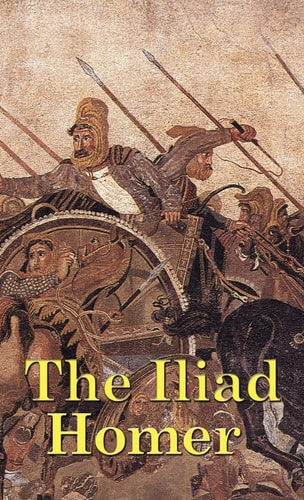
Wilder Publications, Incorporated
2007
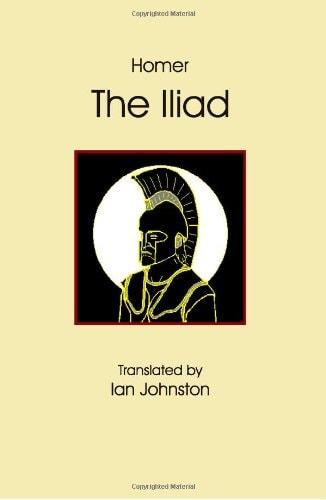
Richer Resources Publications
2007
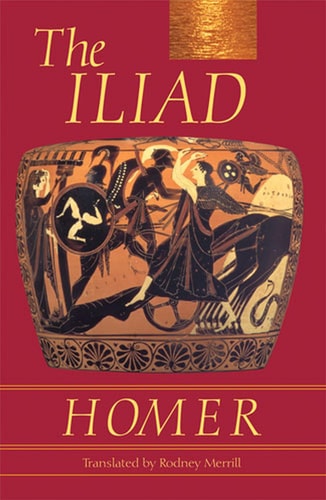
University of Michigan Press
2007
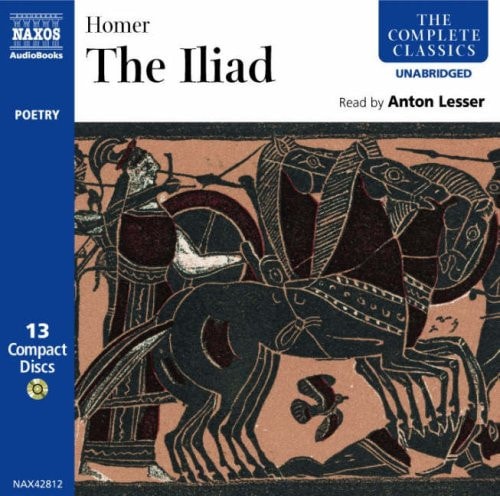
Naxos Audio Books
2006

ICON Classics
2005
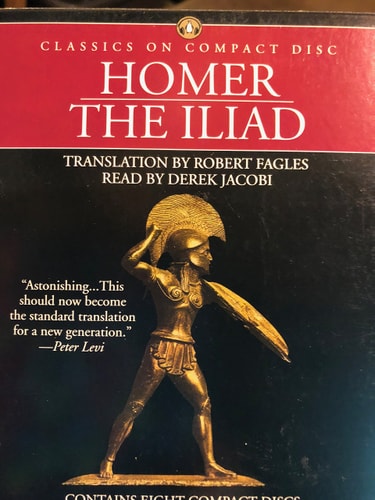
Highbridge Audio
2005

Macmillan Trade
2004

NuVision Publications
2004
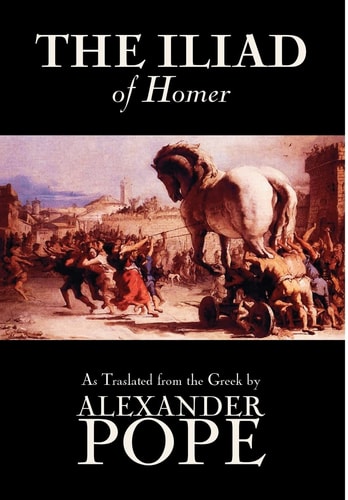
Wildside Press
2003

Penguin UK
2003
Barnes & Noble World Digital Library
2003

UBS Publishers' Distributors Pvt. Limited
2002
Adamant Media Corporation
2000

Bookworld Trade, Incorporated
2000
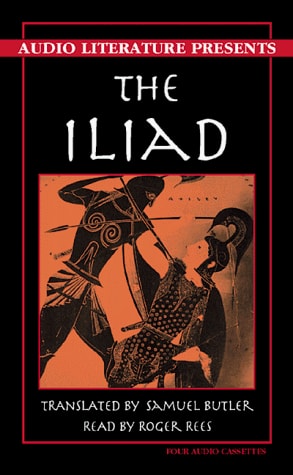
Audio Literature
1999

ReadHowYouWant.com
1996
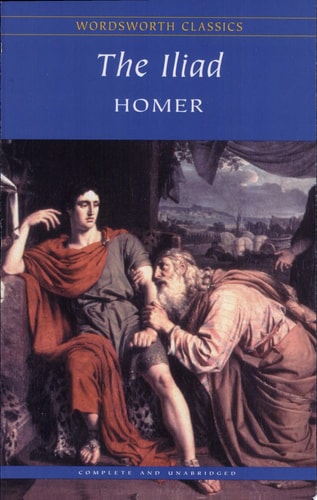
Wordsworth Editions
1995
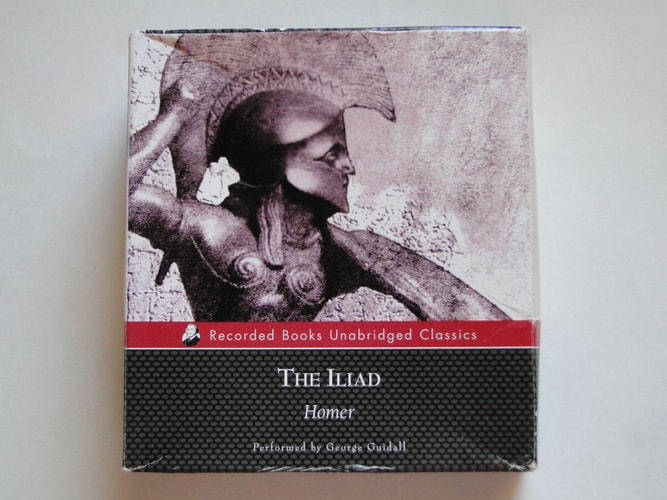
Recorded Books, Inc.
1994

Ags Pub
1994
Barnes and Noble Audio
1994
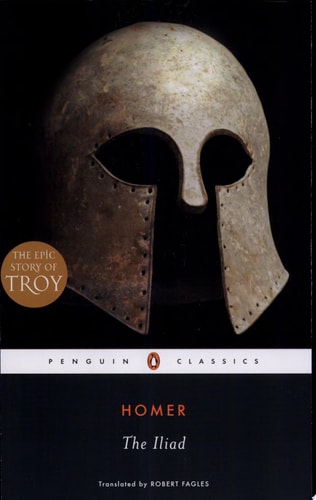
Penguin
1991
Oxford University Press
1991
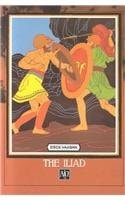
Steck-Vaughn
1991
ReadHowYouWant.com
1989
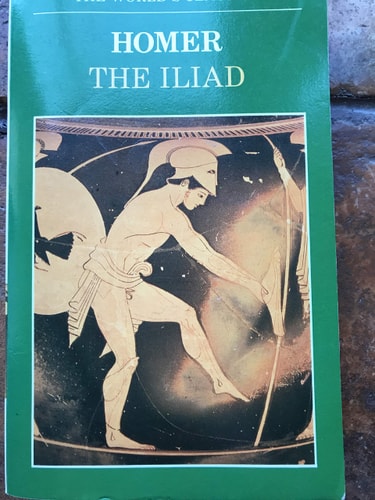
Oxford Paperbacks
1984
ReadHowYouWant.com
1977
ReadHowYouWant.com
1971
ReadHowYouWant.com
1966
ReadHowYouWant.com
1960

ReadHowYouWant.com
1953
Penguin Publishing Group
1950

ReadHowYouWant.com
1950

ReadHowYouWant.com
1924
Similar Books

Reader Comments
Share Your Thoughts
No comments yet. Be the first to share your thoughts!