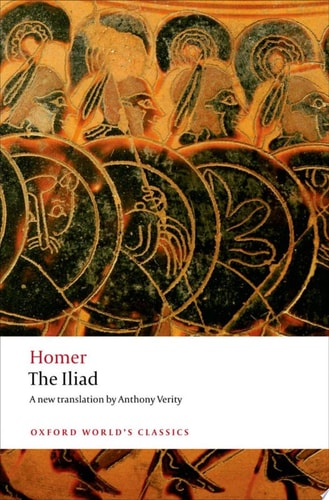
The Iliad
0
0
As an Amazon Associate and affiliate partner, Menrva Books earns from qualifying purchases. Learn more
Author Description
War, glory, despair, and mourning: for 2,700 years, the Iliad has gripped listeners and readers with the story of Achilles' anger and Hector's death. It is a tale of many truths, speaking of powerful emotions, the failures of leadership, the destructive power of beauty, the quest for fame, the plight of women, and the cold callous laughter of the gods. Above all, it confronts us with war in all its brutality--and with fleeting images of peace, lovingly drawn, images which punctuate the poem as distant memories, startling comparisons, and doomed aspirations.Anthony Verity's elegant and compelling new translation mirrors the directness, power, and dignity of Homer's poetry. Verity captures as well the essential features of oral poetry, such as repeated phrases and scenes, without sounding mannered or archaic, and his remarkably accurate verse hews closely to the original line numbers, which is invaluable for readers wishing to consult the secondary literature. Barbara Graziosi, an authority on Homeric poetry, offers a full introduction that illuminates the composition of the poem, its literary qualities, and the many different contexts in which it was performed and read. In addition, extensive notes offer book-by-book summaries and shed light on difficult words and passages, mythological allusions, references to ancient practices, and geographical names. An annotated bibliography offers a succinct guide to further scholarship in English; a full index of names enables the reader to trace particular characters through the text; and two maps elucidate the Catalogue of Ships and the Catalogue of the Trojans.About the Series: For over 100 years Oxford World's Classics has made available the broadest spectrum of literature from around the globe. Each affordable volume reflects Oxford's commitment to scholarship, providing the most accurate text plus a wealth of other valuable features, including expert introductions by leading authorities, voluminous notes to clarify the text, up-to-date bibliographies for further study, and much more.
Menrva's Summary
THE PULSE
The central conflict ignites when Achilles, the greatest warrior of the Achaeans, withdraws from the Trojan War due to a perceived slight by King Agamemnon, leaving his comrades vulnerable to the forces of Troy. Driven by a volatile mix of pride and grief, Achilles seeks to reclaim his honor while the opposing armies of Greece and Troy clash in a brutal, protracted siege. The narrative, structured as an epic poem, operates within a world where mortal actions are inextricably linked to the whims and interventions of the Olympian gods. The story follows a non-linear progression that focuses intensely on the final weeks of the ten-year conflict, emphasizing the psychological toll of war on both heroes and common soldiers.
INSIDE THE PAGES
- Utilization of dactylic hexameter rhythm to maintain the oral tradition of the original composition.
- Inclusion of epithets and repeated formulaic phrases characteristic of ancient oral storytelling.
- Detailed descriptions of armor, weaponry, and the mechanics of hand-to-hand combat.
- Frequent divine intervention where gods manipulate the battlefield and influence mortal decisions.
- The use of extended similes that compare the chaos of war to the natural world.
- Exploration of the concept of kleos, or the pursuit of eternal glory through heroic deeds.
- The juxtaposition of violent battlefield scenes with domestic, peaceful imagery.
- A focus on the tragic inevitability of fate and the limitations of human agency.
THE COLLECTIVE ECHO
Readers frequently highlight the visceral intensity of the battle scenes and the complex characterization of Achilles as a figure defined by both rage and vulnerability. Discussion often centers on the poem's examination of the human cost of war and the moral ambiguity inherent in the actions of both the Achaeans and the Trojans. Critics often praise the balance between the grand scale of the conflict and the intimate, often tragic, moments of individual loss. The work remains a foundational text for understanding Western literary traditions and the evolution of the epic form. Scholars continue to analyze how the poem reflects the social and cultural values of ancient Greece while maintaining a resonance that persists across centuries.
Page Count:
470
Publication Date:
2011-11-01
Publisher:
Oxford University Press
ISBN-10:
0199235481
ISBN-13:
9780199235483
Homer
Greek poetry
Translations into English
Mythology
classic
Trojan War
Poetry
English poetry
War
Historical
Epic Poetry
Criticism history
Community Tags
Other Editions(154)

Mint Editions
2026
Default edition
Les Prairies Numeriques
2026

Pan Macmillan India Publishing Private Limited
2025
Independently published
2025

Book Sales, Incorporated
2024

Independently published
2024
Start Publishing Pd LLC
2024
Macmillan + ORM
2024
Independently published
2024

Wise and Wordy
2024

W. W. Norton, Incorporated
2024

Independently published
2023

W. W. Norton
2023
East India Publishing Company
2023
Independently published
2023
Chiltern Publishing
2023
Independently published
2023
W.W. Norton
2023

Book Sales, Incorporated
2022
Lulu Press, Incorporated
2022

Independently Published
2021
Independently published
2021
Independently published
2021
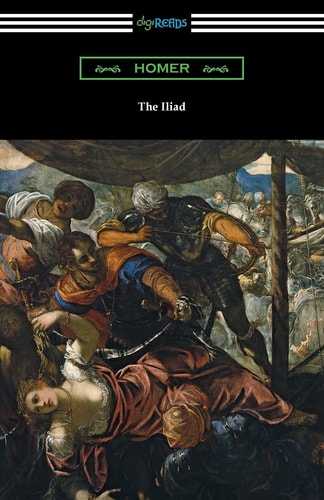
Digireads.com Publishing
2021

Independently Published
2021
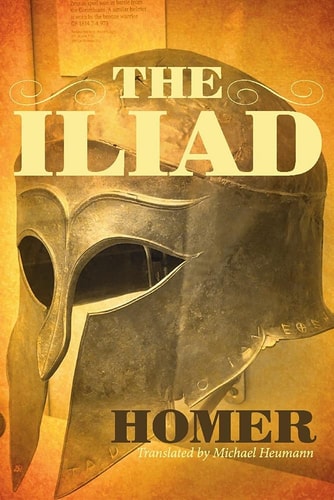
BookBaby
2021
Independently published
2021
Independently published
2021
Independently Published
2021
Independently published
2021

Amazon Digital Services LLC - KDP Print US
2021
Independently Published
2021
Independently Published
2020
East India Publishing Company
2020

Independently Published
2020
Independently Published
2020

Independently Published
2020
Benediction Classics
2020
Benediction Classics
2020
Fv Editions
2020
Amazon Digital Services LLC - KDP Print US
2020

Independently published
2020

Repro India Limited
2020
Independently published
2020
Macmillan Collector's Library
2020
Macmillan Trade
2020

Pan Macmillan UK
2020

Pretorian Books
2020

Amazon Digital Services LLC - KDP Print US
2020

Canon Press
2020
Independently Published
2019
Arcturus Publishing
2019

CreateSpace Independent Publishing Platform
2018
Amazon Digital Services LLC - KDP Print US
2018

Max Bollinger
2018

CreateSpace Independent Publishing Platform
2018
CreateSpace Independent Publishing Platform
2018
CreateSpace Independent Publishing Platform
2018
CreateSpace Independent Publishing Platform
2018

CreateSpace Independent Publishing Platform
2018

Paul Dry Books
2018
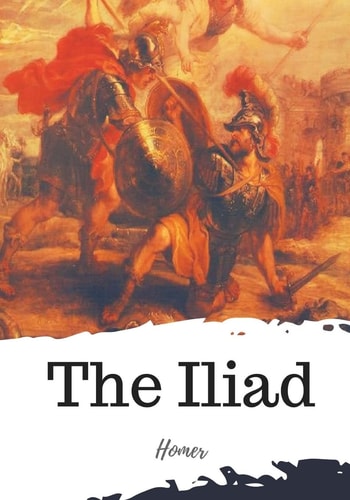
CreateSpace Independent Publishing Platform
2018

Classics Illustrated Comics
2018

CreateSpace Independent Publishing Platform
2017
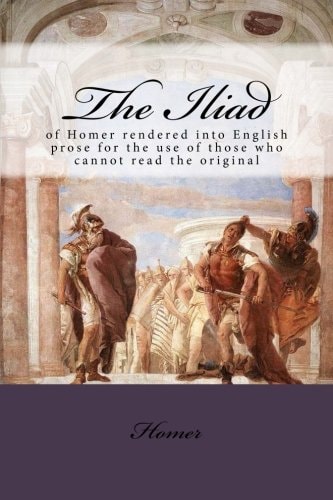
CreateSpace Independent Publishing Platform
2017
CreateSpace Independent Publishing Platform
2017
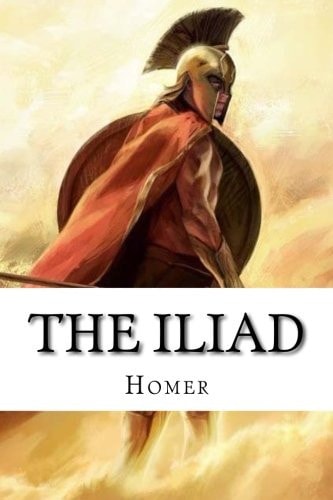
CreateSpace Independent Publishing Platform
2017

Independently Published
2017
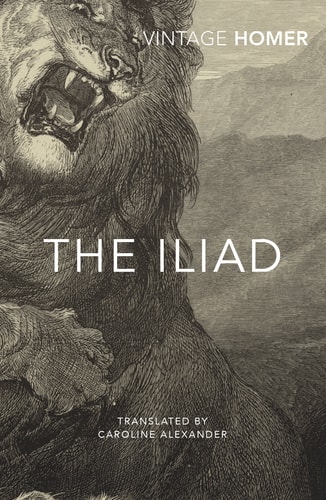
Vintage
2017

Independently Published
2017

CreateSpace Independent Publishing Platform
2017

Independently Published
2017
Independently Published
2017
McClelland & Stewart
2016
CreateSpace Independent Publishing Platform
2016
CreateSpace Independent Publishing Platform
2016
CreateSpace Independent Publishing Platform
2016

CreateSpace Independent Publishing Platform
2016
CreateSpace Independent Publishing Platform
2016
Lulu.com
2016

CreateSpace Independent Publishing Platform
2016
Random House
2016

CreateSpace Independent Publishing Platform
2016
Prakash Books
2016
Perfection Learning Corporation
2015
Penguin Publishing Group
2015
Penguin Publishing Group
2015
CreateSpace Independent Publishing Platform
2015
CreateSpace Independent Publishing Platform
2015

CreateSpace Independent Publishing Platform
2015

CreateSpace Independent Publishing Platform
2015
University of Oklahoma Press
2014
First Avenue Editions
2014
First Avenue Editions ™
2014

CreateSpace Independent Publishing Platform
2014
Bottom of the Hill Publishing
2014

CreateSpace Independent Publishing Platform
2013
Oxford University Press
2013
RareBooksClub.com
2013
CreateSpace Independent Publishing Platform
2013
Bod Third Party Titles
2013
HardPress
2013
CreateSpace Independent Publishing Platform
2012

Johns Hopkins University Press
2012
CreateSpace Independent Publishing Platform
2012
Oxford University Press
2011
CreateSpace Independent Publishing Platform
2011
CreateSpace Independent Publishing Platform
2011
Publishing in Motion
2011
Free Press
2011
Harper Press
2011
OUP Oxford
2011
Greenbook Publications, LLC
2010

Tantor Audio
2010
CreateSpace Independent Publishing Platform
2010

ReadHowYouWant.com
2009
ReadHowYouWant.com
2008

Perfection Learning
2007
Wildside Press, LLC
2007
NuVision Publications, LLC
2007
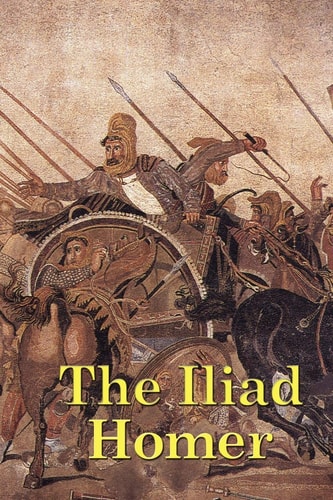
Wilder Publications
2007
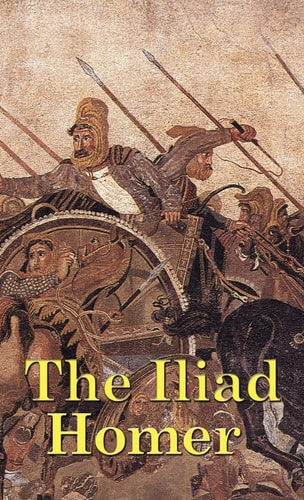
Wilder Publications, Incorporated
2007
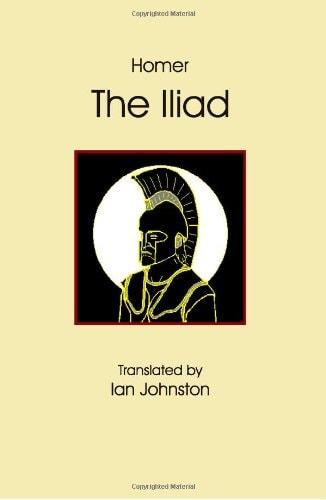
Richer Resources Publications
2007
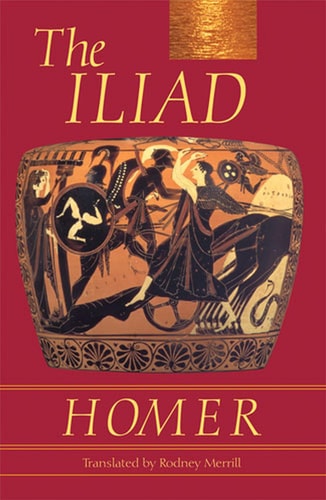
University of Michigan Press
2007
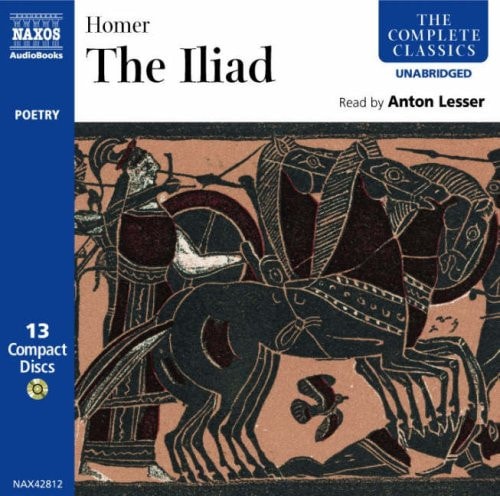
Naxos Audio Books
2006

ICON Classics
2005
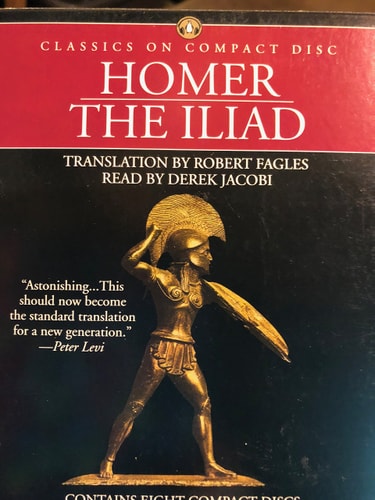
Highbridge Audio
2005

Macmillan Trade
2004

NuVision Publications
2004
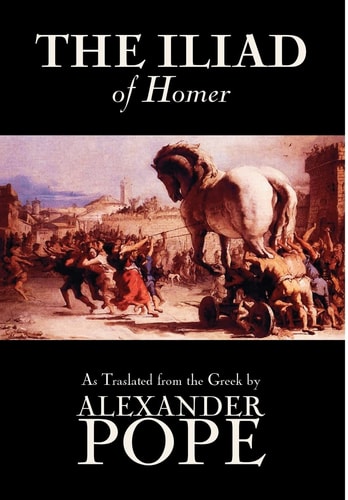
Wildside Press
2003

Penguin UK
2003
Barnes & Noble World Digital Library
2003

UBS Publishers' Distributors Pvt. Limited
2002
Adamant Media Corporation
2000

Bookworld Trade, Incorporated
2000
Audio Literature
1999

ReadHowYouWant.com
1996
Wordsworth Editions
1995
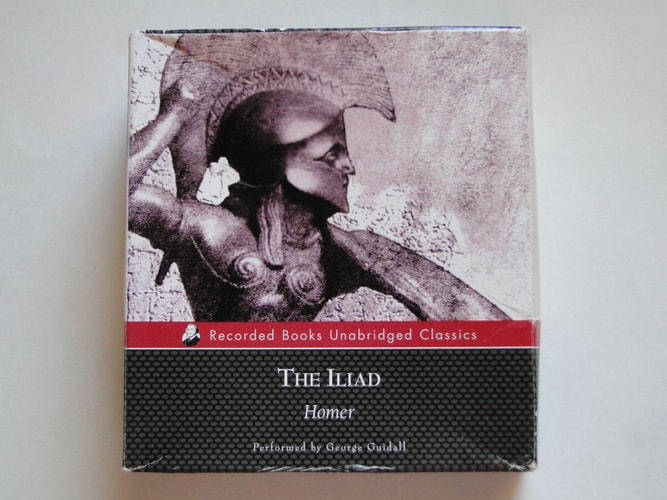
Recorded Books, Inc.
1994

Ags Pub
1994
Barnes and Noble Audio
1994
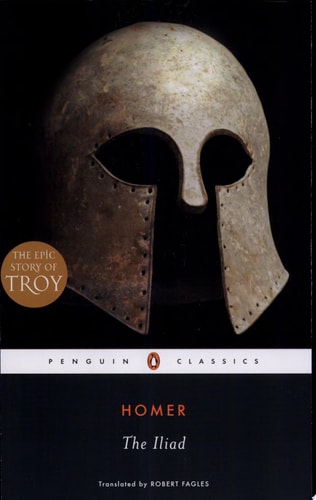
Penguin
1991
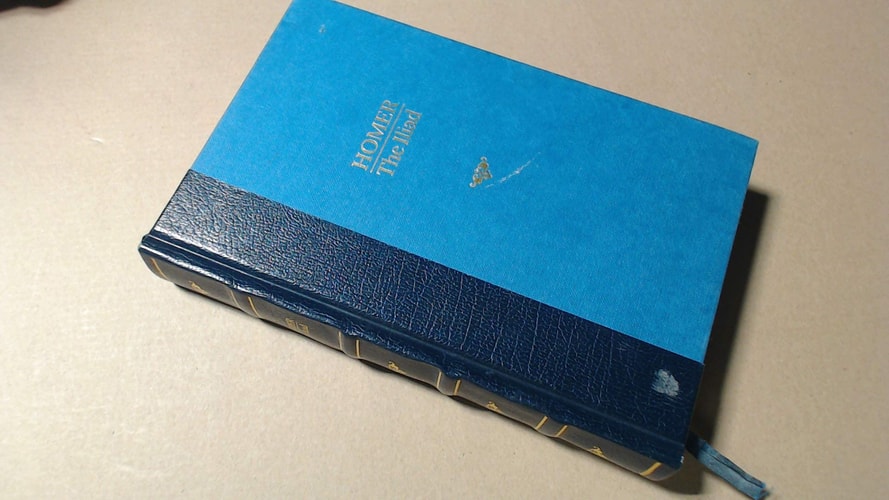
Oxford University Press
1991
Steck-Vaughn
1991
ReadHowYouWant.com
1989
Oxford Paperbacks
1984
ReadHowYouWant.com
1977
ReadHowYouWant.com
1971
ReadHowYouWant.com
1966
ReadHowYouWant.com
1960

ReadHowYouWant.com
1953
Penguin Publishing Group
1950

ReadHowYouWant.com
1950

ReadHowYouWant.com
1924
Similar Books


Reader Comments
Share Your Thoughts
No comments yet. Be the first to share your thoughts!