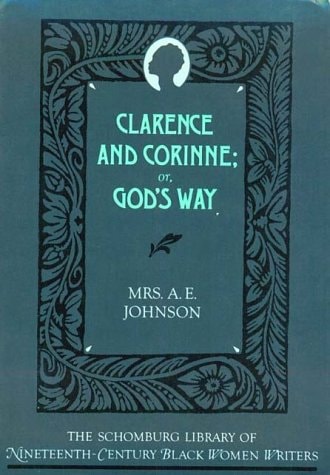
Clarence and Corinne; or, God's Way
0
0
As an Amazon Associate and affiliate partner, Menrva Books earns from qualifying purchases. Learn more
Author Description
Published in 1890, Clarence and Corinne is a novel that reflects the social reform ideology of the U.S. women's movement in the late 19th century. Mrs. Johnson condemns the destructive effects of "demon" alcohol on the nuclear family, focusing on the danger that alcoholism poses to women and children. When it first appeared, Clarence and Corinne was cited by the Baptist Messenger, a black religious publication, as "one of the silent, yet powerful agents at work to break down unreasonable prejudice, which is a hindrance to both races."
Menrva's Summary
THE PULSE
The narrative centers on the struggle of a family to maintain its integrity and safety against the encroaching threat of alcoholism. The protagonist must navigate the social and moral landscape of the late 19th century, where the consumption of alcohol is framed as a direct assault on the stability of the nuclear family. The narrative follows a didactic framework, utilizing the experiences of the characters to illustrate the dangers of vice and the necessity of moral fortitude. The story operates within the constraints of a society grappling with both the aftermath of slavery and the emerging social reform movements of the era.
INSIDE THE PAGES
- Exploration of the temperance movement as a moral imperative
- Focus on the domestic sphere as the primary site of social conflict
- Use of didactic prose to convey religious and social lessons
- Portrayal of the nuclear family as a vulnerable unit
- Integration of contemporary social reform ideologies
- Emphasis on the protection of women and children from vice
- Commentary on racial prejudice and social advancement
- Character-driven moral development within a religious context
THE COLLECTIVE ECHO
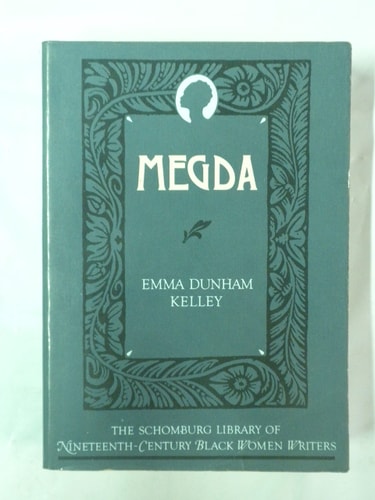
Readers and critics often examine this work as a primary example of late 19th-century African American reform literature. Discussion frequently centers on how the author uses the domestic novel format to address broader societal issues like alcoholism and racial inequality. Scholars highlight the text's role in the Schomburg Library collection, noting its significance in preserving the voices of black women writers from this period. The pacing is often described as deliberate and moralistic, reflecting the instructional intent common to the literature of that era.
Page Count:
240
Publication Date:
1992-04-09
Publisher:
Oxford University Press
ISBN-10:
0195075749
ISBN-13:
9780195075748
Christian
Social Reform
Nineteenth century
Historical
Domestic
Community Tags
Similar Books