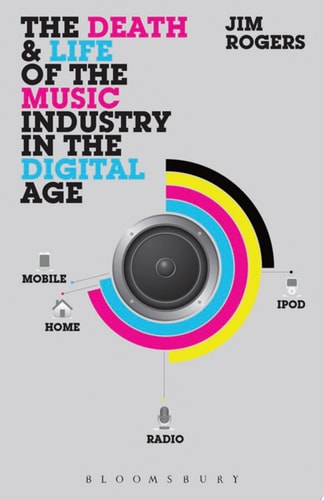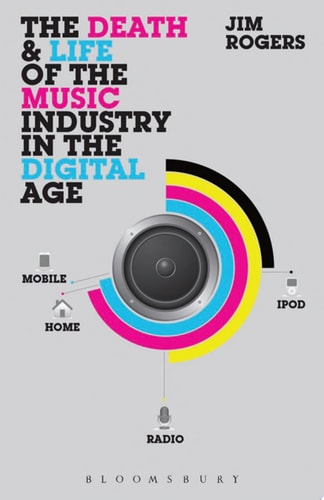
The Death and Life of the Music Industry in the Digital Age
0
0
As an Amazon Associate and affiliate partner, Menrva Books earns from qualifying purchases. Learn more
Author Description
The Death and Life of the Music Industry in the Digital Age challenges the conventional wisdom that the internet is 'killing' the music industry. While technological innovations (primarily in the form of peer-to-peer file-sharing) have evolved to threaten the economic health of major transnational music companies, Rogers illustrates how those same companies have themselves formulated highly innovative response strategies to negate the harmful effects of the internet. In short, it documents how the radical transformative potential of the internet is being suppressed by legal and organisational innovations. Grounded in a social shaping perspective, The Death and Life of the Music Industry in the Digital Age contends that the internet has not altered pre-existing power relations in the music industry where a small handful of very large corporations have long since established an oligopolistic dominance. Furthermore, the book contends that widespread acceptance of the idea that online piracy is rampant, and music largely 'free' actually helps these major music companies in their quest to bolster their power. In doing this, the study serves to deflate much of the transformative hype and digital 'deliria' that has accompanied the internet's evolution as a medium for mass communication.
Menrva's Summary
THE THESIS
The digital age has not killed the music industry, but rather transformed its power dynamics. Jim Rogers challenges the prevailing narrative that the internet's disruptive force has irrevocably damaged the music industry, arguing instead that major corporations have strategically adapted to maintain their dominance. The book posits that the internet's transformative potential is actively suppressed by legal and organizational innovations, reinforcing the existing oligopolistic structure of the industry. Furthermore, the pervasive idea that online piracy is rampant and music is essentially free serves as a tool for these corporations to consolidate their power, deflating the transformative hype surrounding digital media.
THE SCOPE MAP
- Analysis of the music industry's response strategies to technological innovations like peer-to-peer file-sharing.
- Examination of how legal and organizational innovations suppress the internet's transformative potential in music distribution.
- Contention that the internet has not altered pre-existing power relations, with a few large corporations maintaining oligopolistic dominance.
- Exploration of how the perception of widespread online piracy and 'free' music benefits major music companies.
- Critique of the 'transformative hype' and 'digital deliria' surrounding the internet's impact on mass communication.
- Application of a social shaping perspective to understand the interplay between technology and industry structures.
- Discussion of the economic health of major transnational music companies in the digital era.
THE AUTHORITY PERSPECTIVE
The book is regarded as a critical examination of the music industry's adaptation to digital technologies, challenging common assumptions about its demise. It is noted for its argument that established power structures have leveraged the digital age to reinforce their dominance rather than being overthrown by it. The study's contention that the narrative of rampant piracy actually serves corporate interests provides a counter-intuitive perspective on digital disruption. Overall, the work aims to deflate the often-exaggerated claims of the internet's revolutionary impact on the music business.
Page Count:
248
Publication Date:
2013-05-09
Publisher:
Bloomsbury Academic
ISBN-10:
1780931603
ISBN-13:
9781780931609
Non-Fiction
Economics
Music
Business
Technology
Music Industry