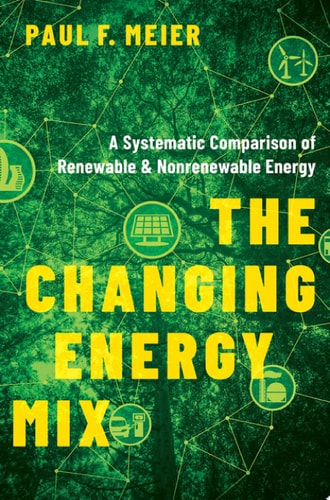
The Changing Energy Mix
0
0
As an Amazon Associate and affiliate partner, Menrva Books earns from qualifying purchases. Learn more
Author Description
Energy Comes In Many Shapes And Forms, From Wind, Solar Power, Geothermal, And Biomass To Coal, Natural Gas, And Petroleum. The Energy We Consume Is Constantly Changing, But The Use Of These Resources-whether Renewable Or Nonrenewable-has Long-term Impacts On Our Planet. While There Has Been This Recent Shift To Renewable Energy Within The United States, The Worldwide Demand For All Energy Types Continues To Increase At A Rapid Rate. In Fact, It Has Increased By 84% Over The Past Twenty Years. Despite Their Dwindling Supply, These Resources Are Still Heavily Relied On Today. Coal Still Accounts For 30% Of The Electricity Generated By The United States, Even Though Natural Gas Is Now The Primary Energy Used To Produce Electricity. Likewise, Only 7% Of Electricity Usage Worldwide Is Linked To Solar And Wind Energy. In The Changing Energy Mix, Paul F. Meier Compares Twelve Renewable And Nonrenewable Energy Types Using Twelve Common Technical Criteria. These Criteria Span Projected Reserves, Cost To The Consumer And Supplier, Energy Balances, Environmental Issues, Land Area Required, And Lasting Impacts. While Explaining The Pros And Cons Of These Resources, Meier Takes Readers Through The History Of Energy In The United States And World. He Provides Insight Into Energy Sources, Such As Wind-powered And Solar-powered Electricity (which Did Not Exist Until The Mid And Late 80s, Respectively), And He Explains The Constantly Evolving World Of Energy. Breaking Down The Potential Promises And Struggles Of Transitioning To A More Renewable Energy-based Economy, Meier Explains The Positive And Negative Implications Of These Various Sources Of Energy. The Resulting Book Equips Readers With A Unique Understanding Of The History, Availability, Technology, Implementation Cost, And Concerns Of Renewable And Nonrenewable Energy.
Menrva's Summary
THE THESIS
How do various renewable and nonrenewable energy sources compare when evaluated against standardized technical and economic criteria? Paul F. Meier, an expert in energy systems, provides a comparative analysis of twelve distinct energy types. By utilizing a consistent framework of twelve technical metrics, he examines the historical context, current usage patterns, and future viability of resources ranging from fossil fuels to emerging green technologies.
THE SCOPE MAP
What You Will Find
- Comparative analysis of twelve energy sources including wind, solar, geothermal, biomass, coal, natural gas, and petroleum.
- A standardized evaluation framework covering reserves, consumer and supplier costs, energy balances, and environmental impacts.
- Historical overview of energy consumption trends in the United States and globally.
Scope Limits
- The text focuses primarily on technical and economic feasibility rather than political policy advocacy.
- It does not provide a predictive model for future energy market fluctuations.
THE AUTHORITY PERSPECTIVE
Experts recognize this work as a structured reference for understanding the complexities of the global energy transition. Readers frequently note the clarity of the comparative methodology, which allows for an objective assessment of diverse power sources.
Page Count:
400
Publication Date:
2020-01-01
Publisher:
Oxford University Press
ISBN-10:
0190098406
ISBN-13:
9780190098407
Economics
Nonfiction
Energy
Sustainability
Technology
Community Tags
Similar Books