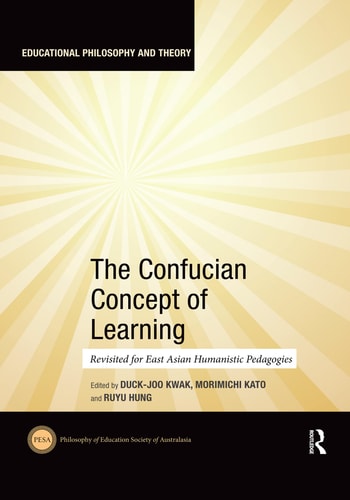
The Confucian Concept of Learning Revisited for East Asian Humanistic Pedagogies
0
0
As an Amazon Associate and affiliate partner, Menrva Books earns from qualifying purchases. Learn more
Author Description
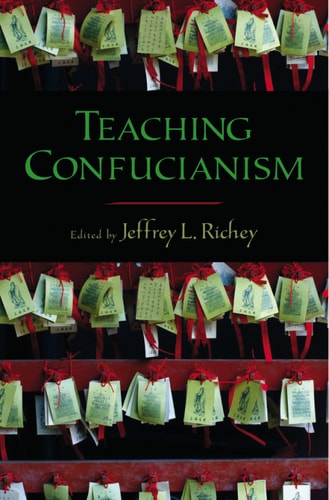
What does the Confucian heritage mean to modern East Asian education today? Is it invalid and outdated, or an irreplaceable cultural resource for an alternative approach to education? And to what extent can we recover the humanistic elements of the Confucian tradition of education for use in world education? Written from a comparative perspective, this book attempts to collectively explore these pivotal questions in search of future directions in education. In East Asian countries like China, Japan, Korea and Taiwan, Confucianism as a philosophy of learning is still deeply embedded in the ways people think of and practice education in their everyday life, even if their official language puts on the Western scientific mode. It discusses how Confucian concepts including rite, rote-learning and conformity to authority can be differently understood for the post-liberal and post-metaphysical culture of education today. The contributors seek to make sense of East Asian experiences of modern education, and to find a way to make Confucian philosophy of education compatible with the Western idea of liberal education. This book was originally published as a special issue of Educational Philosophy and Theory.
Menrva's Summary
THE THESIS
This book investigates the enduring relevance of Confucianism to contemporary East Asian educational practices and its potential for global pedagogical reform. It examines whether Confucian heritage is an obsolete relic or a vital resource for alternative educational approaches, particularly in East Asian nations where its influence persists despite Westernization. The contributors explore how core Confucian concepts like rite, rote learning, and conformity can be reinterpreted for modern, post-metaphysical educational cultures, seeking to reconcile East Asian experiences with Western liberal education ideals.
THE SCOPE MAP
- Exploration of the Confucian heritage's meaning for modern East Asian education.
- Analysis of Confucianism as an irreplaceable cultural resource versus an outdated philosophy.
- Comparative perspective on recovering humanistic elements of Confucian education for global use.
- Discussion of how Confucian concepts (rite, rote-learning, conformity) can be reinterpreted for contemporary educational cultures.
- Examination of the deep embedding of Confucian learning philosophy in everyday East Asian educational practices.
- Efforts to make Confucian philosophy of education compatible with Western liberal education.
THE AUTHORITY PERSPECTIVE
Originally published as a special issue of Educational Philosophy and Theory, this collection of essays engages with pivotal questions regarding the role of Confucianism in modern education. The contributors collectively explore the tension between tradition and modernity, seeking to understand how deeply embedded Confucian learning philosophies can be reinterpreted for contemporary educational landscapes. The work aims to bridge the gap between East Asian educational experiences and Western liberal education ideals, offering a comparative perspective on potential future directions in global pedagogy. The collection's focus on re-evaluating traditional concepts for a post-metaphysical era suggests a scholarly approach to educational philosophy.
Page Count:
122
Publication Date:
2020-05-01
Publisher:
Taylor & Francis Limited (Sales)
ISBN-10:
0367531712
ISBN-13:
9780367531713
Philosophy
Non-Fiction
Asian Studies
Education
Community Tags
Other Editions(3)

Similar Books