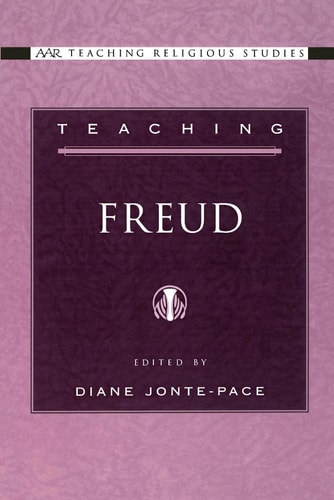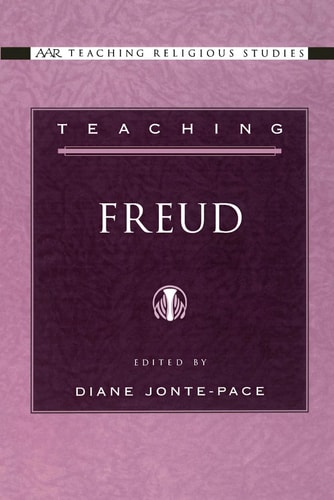
Teaching Freud (AAR Teaching Religious Studies Series)
0
0
As an Amazon Associate and affiliate partner, Menrva Books earns from qualifying purchases. Learn more
Author Description
As one of the first theorists to explore the unconscious fantasies, fears, and desires underlying religious ideas and practices, Freud can be considered one of the grandparents of the field of Religious Studies. Yet his legacy is deeply contested. How can Freud be taught in a climate of critique and controversy? The fourteen contributors to this volume, all recognized scholars of religion and psychoanalysis, describe how they address Freud's contested legacy; they "teach the debates." They go on to describe their courses on Freud and religion, their innovative pedagogical practices, and the creative ways they work with resistance.
Menrva's Summary
THE THESIS
This volume investigates the pedagogical challenges and methodological strategies required to teach the complex, often controversial theories of Sigmund Freud within the contemporary field of Religious Studies. Editor Diane Jonte-Pace compiles contributions from fourteen scholars who specialize in the intersection of religion and psychoanalysis. The text examines how educators navigate Freud's contested legacy, addressing student resistance and the critical climate surrounding his work. By presenting various course structures and innovative teaching practices, the authors provide a framework for engaging with Freud's foundational yet debated influence on religious thought.
THE SCOPE MAP
What You Will Find
- Pedagogical strategies for addressing controversial or contested theoretical legacies in the classroom.
- Case studies detailing specific course designs and syllabi focused on Freud and religion.
- Methodologies for managing student resistance and fostering critical inquiry.
- Theoretical analysis of Freud's role as a foundational figure in the study of religious unconscious fantasies and desires.
THE AUTHORITY PERSPECTIVE
Scholars and educators in the field of Religious Studies identify this work as a practical resource for navigating the complexities of teaching psychoanalytic theory. Readers frequently note the balance between theoretical rigor and the hands-on pedagogical advice provided by the contributors.
Page Count:
288
Publication Date:
2003-03-27
Publisher:
Oxford University Press
ISBN-10:
0195157680
ISBN-13:
9780195157680
Psychology
Religion
Pedagogy
Education
Psychoanalysis
Community Tags
Similar Books