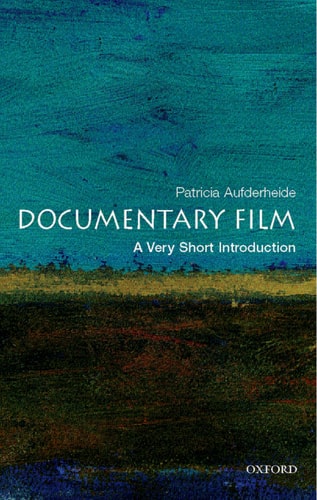
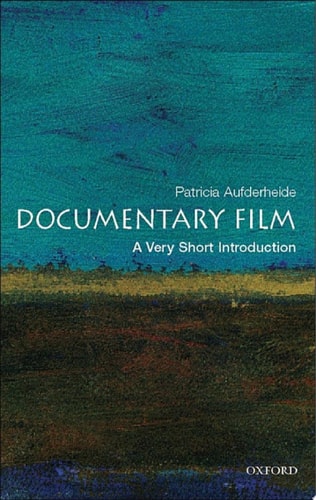
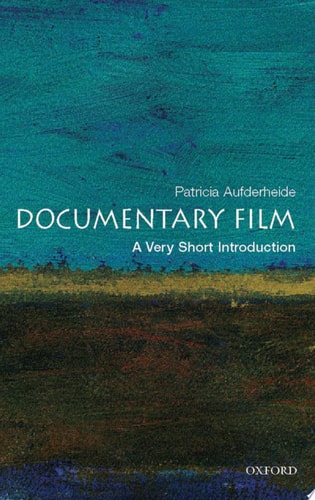
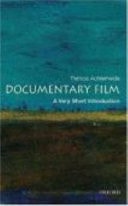
Documentary Film: A Very Short Introduction
0
0
As an Amazon Associate and affiliate partner, Menrva Books earns from qualifying purchases. Learn more
Author Description
Documentary film can encompass anything from Robert Flaherty's pioneering ethnography Nanook of the North to Michael Moore's anti-Iraq War polemic Fahrenheit 9/11, from Dziga Vertov's artful Soviet propaganda piece Man with a Movie Camera to Luc Jacquet's heart-tugging wildlife epic March of the Penguins. In this concise, crisply written guide, Patricia Aufderheide takes readers along the diverse paths of documentary history and charts the lively, often fierce debates among filmmakers and scholars about the best ways to represent reality and to tell the truths worth telling.Beginning with an overview of the central issues of documentary filmmaking--its definitions and purposes, its forms and founders--Aufderheide focuses on several of its key subgenres, including public affairs films, government propaganda (particularly the works produced during World War II), historical documentaries, and nature films. Her thematic approach allows readers to enter the subject matter through the kinds of films that first attracted them to documentaries, and it permits her to make connections between eras, as well as revealing the ongoing nature of documentary's core controversies involving objectivity, advocacy, and bias. Interwoven throughout are discussions of the ethical and practical considerations that arise with every aspect of documentary production. A particularly useful feature of the book is an appended list of "100 great documentaries" that anyone with a serious interest in the genre should see.Drawing on the author's four decades of experience as a film scholar and critic, this book is the perfect introduction not just for teachers and students but also for all thoughtful filmgoers and for those who aspire to make documentaries themselves.About the Series: Combining authority with wit, accessibility, and style, Very Short Introductions offer an introduction to some of life's most interesting topics. Written by experts for the newcomer, they demonstrate the finest contemp
Menrva's Summary
THE THESIS
What defines the documentary form, and how do filmmakers navigate the tension between objective reality and subjective advocacy? Patricia Aufderheide, an experienced film scholar and critic, examines the evolution of documentary cinema by analyzing its historical foundations, ethical dilemmas, and diverse subgenres. She argues that documentary film is not a static medium but a dynamic practice shaped by the ongoing debates regarding truth, bias, and the filmmaker's responsibility to the subject.
THE SCOPE MAP
What You Will Find
- Historical overview of documentary development from early ethnography to contemporary polemics
- Analysis of key subgenres including public affairs, government propaganda, and nature films
- Examination of ethical and practical considerations inherent in documentary production
- A curated list of 100 essential documentaries for further study
THE AUTHORITY PERSPECTIVE
Experts and educators frequently cite this text as a foundational, accessible entry point for students and film enthusiasts alike. Readers note the clarity of the prose and the author's ability to distill complex theoretical debates into a concise, manageable format.
Page Count:
176
Publication Date:
2007-11-28
Publisher:
Oxford University Press
ISBN-10:
0195182707
ISBN-13:
9780195182705
History
Non-Fiction
Art
Media Studies
Film
Documentary
Documentary films
Community Tags
Other Editions(3)
Similar Books


Reader Comments
Share Your Thoughts
No comments yet. Be the first to share your thoughts!