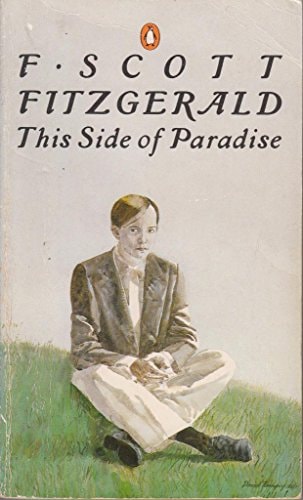
This Side of Paradise
0
0
As an Amazon Associate and affiliate partner, Menrva Books earns from qualifying purchases. Learn more
Author Description
This Side of Paradise, F. Scott Fitzgerald's romantic and witty first novel, was written when the author was only twenty-three years old. This semiautobiographical story of the handsome, indulged, and idealistic Princeton student Amory Blaine received critical raves and catapulted Fitzgerald to instant fame. Now, readers can enjoy the newly edited, authorized version of this early classic of the Jazz Age, based on Fitzgerald's original manuscript. In this definitive text, This Side of Paradise captures the rhythms and romance of Fitzgerald's youth and offers a poignant portrait of the "Lost Generation."
Menrva's Summary
THE PULSE
Amory Blaine, a privileged and idealistic young man, navigates the shifting social and moral landscapes of early twentieth-century America as he transitions from his sheltered upbringing to the disillusionment of adulthood. Amory seeks to define his identity and purpose amidst the changing cultural tides of the post-war era. He faces internal conflict regarding his romantic aspirations and his desire for social status, often clashing with the rigid expectations of his peers and the evolving values of his generation. The narrative utilizes a third-person perspective that incorporates letters, poems, and dramatic dialogue to illustrate Amory's intellectual and emotional development. The world is defined by the elite social circles of Princeton and the bohemian atmosphere of New York City, reflecting the physical and logical constraints of a society grappling with the aftermath of global conflict.
INSIDE THE PAGES
- Episodic narrative structure reflecting the protagonist's growth
- Integration of poetry and prose to convey internal states
- Exploration of the transition from romantic idealism to cynicism
- Examination of class dynamics and social mobility
- Use of epistolary elements to provide character depth
- Focus on the cultural shifts of the early twentieth century
- Stylistic experimentation with dramatic dialogue
- Representation of the Lost Generation's disillusionment
THE COLLECTIVE ECHO
Discussion often centers on the novel's status as a foundational text for understanding the sensibilities of the Lost Generation. Readers frequently highlight the prose's youthful energy and the clear autobiographical parallels between the author and the protagonist. Critics often note the uneven pacing and the experimental structure as evidence of a writer finding his voice. The balance between character-driven introspection and the broader social commentary on the Jazz Age remains a primary focus for those analyzing the work's historical significance.
Page Count:
254
Publication Date:
1970-01-01
Publisher:
Penguin
ISBN-10:
0140018670
ISBN-13:
9780140018677
Literary Fiction
United States
Jazz Age
Coming of Age
Classics
Historical
classic
Community Tags
Other Editions(35)

Vij Books India Private Limited
2023
Default edition
Independently Published
2022

Independently Published
2021

Independently Published
2020
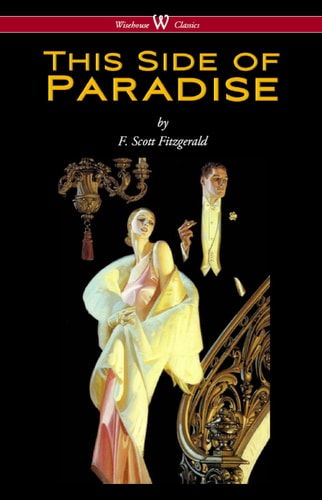
Wisehouse Classics
2019

CreateSpace Independent Publishing Platform
2018

Independently Published
2018

CreateSpace Independent Publishing Platform
2017

CreateSpace Independent Publishing Platform
2017
CreateSpace Independent Publishing Platform
2017

CreateSpace Independent Publishing Platform
2017

Pbshop.CompanyUK Limited DBA Echo Library
2017
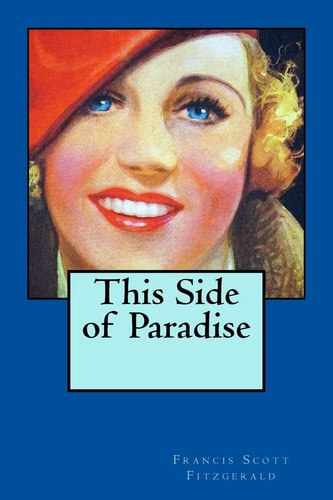
CreateSpace Independent Publishing Platform
2017

CreateSpace Independent Publishing Platform
2016

CreateSpace Independent Publishing Platform
2016

CreateSpace Independent Publishing Platform
2016
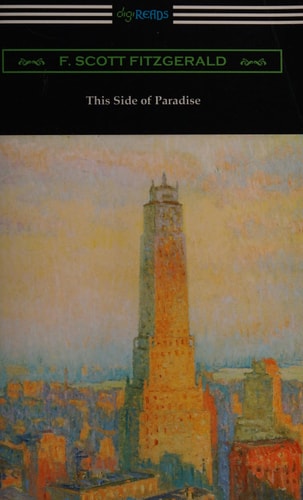
Digireads.com Publishing
2016

Creative Media Partners, LLC
2015

CreateSpace Independent Publishing Platform
2015

Lulu Press, Inc.
2014
CreateSpace Independent Publishing Platform
2013

Lulu Press, Inc.
2013
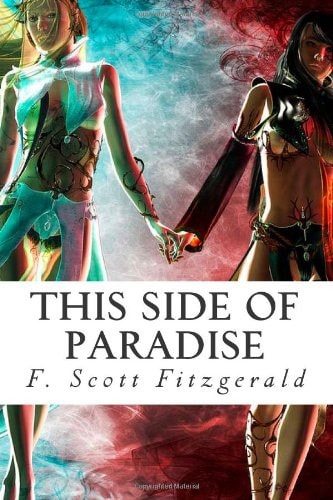
CreateSpace Independent Publishing Platform
2012

Bibliotech Press
2012

Lulu Press, Inc.
2011

Connecting to God
2010

CreateSpace Independent Publishing Platform
2010
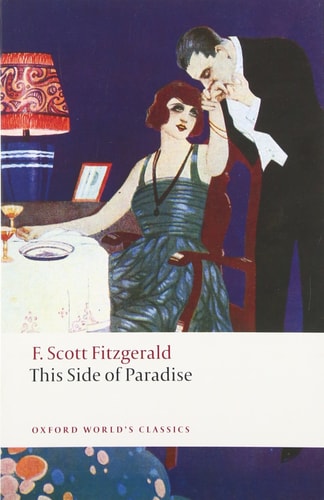
Oxford University Press
2009
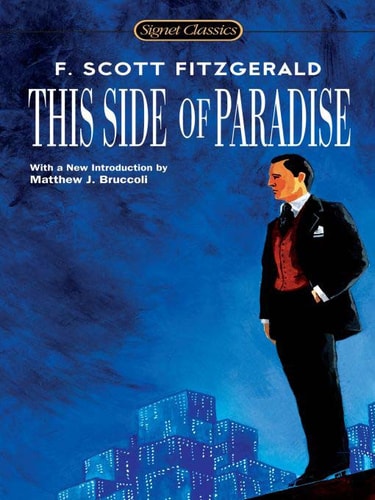
Penguin USA, Inc.
2009
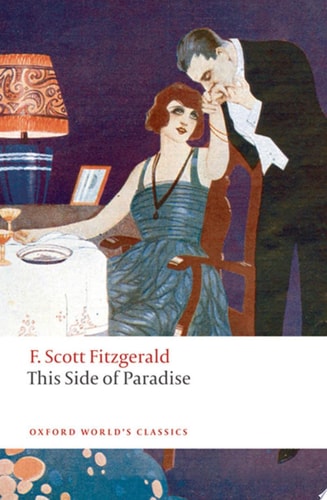
Oxford University Press
2009
ICON Classics
2005
Barnes & Noble World Digital Library
2003

Outrigger Publications, LLC
2003

Outrigger Publications, LLC
2003
Penguin
1970
Similar Books


Reader Comments
Share Your Thoughts
No comments yet. Be the first to share your thoughts!