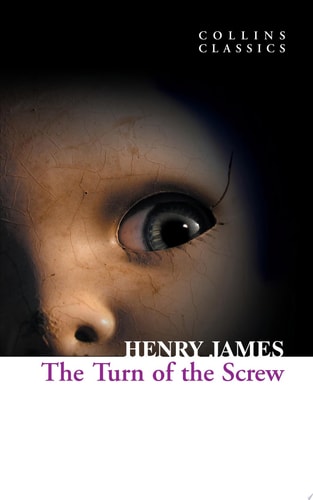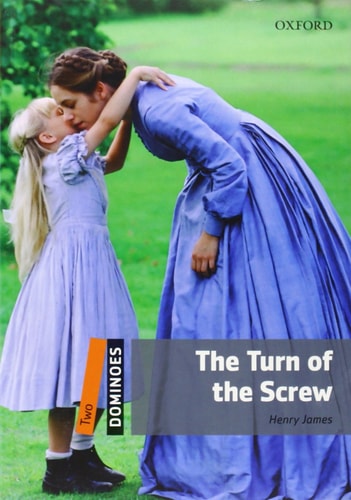
The Turn of the Screw
0
0
As an Amazon Associate and affiliate partner, Menrva Books earns from qualifying purchases. Learn more
Author Description
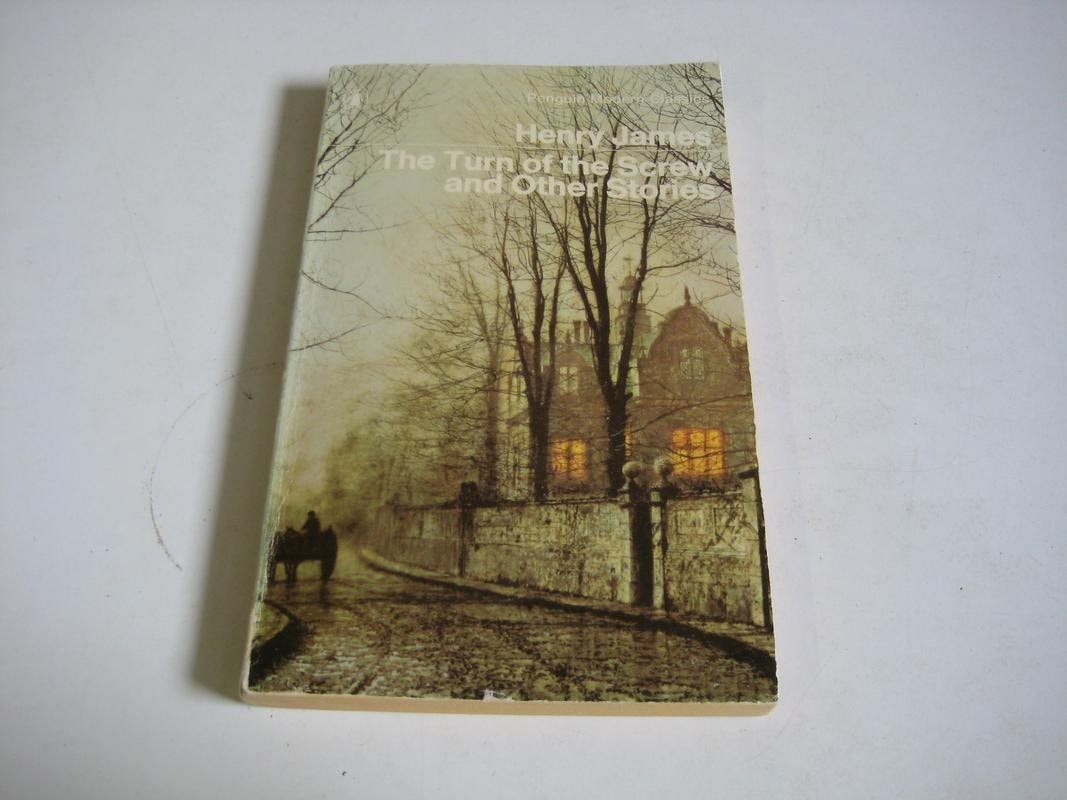
In these two chilling stories, Henry James shows himself to be a master of haunting atmosphere and unbearable tension. The Turn of the Screw tells of a young governess sent to a country home to take charge of two orphans, Miles and Flora. Unsettled by a sense of intense evil within the house, she soon becomes obsessed with the belief that malevolent forces are stalking the children in her care. It also includes The Pupil which concerns a pupil's hold over his tutor and The Third Person, described in the introduction as a "spoof on spooking."
Menrva's Summary
THE PULSE
A young governess arrives at a remote country estate to care for two orphaned children, only to become convinced that malevolent supernatural entities are haunting them. Tasked with the education and protection of Miles and Flora, the governess finds her objective complicated by her growing suspicion that the children are in contact with former employees who have died. She must navigate the isolation of the estate while questioning her own perception of reality and the children's innocence. The narrative framework utilizes a first-person perspective, often leaving the reader to determine if the threats are external manifestations or internal psychological projections. The story operates under strict logical constraints, where the governess's subjective account serves as the primary lens for the reader.
INSIDE THE PAGES
- Unreliable narrator perspective
- Gothic atmosphere and setting
- Ambiguous supernatural elements
- Psychological tension and paranoia
- Class dynamics in Victorian society
- Epistolary framing device
- Focus on the corruption of innocence
- Subversion of traditional ghost story tropes
THE COLLECTIVE ECHO
Discussion often centers on the ambiguity of the governess's sanity versus the existence of actual ghosts. Readers frequently highlight the precision of the prose and the way the author builds dread through suggestion rather than explicit horror. Critics often examine the power dynamics between the governess and her charges, noting how the isolation of the estate amplifies the internal conflict. The work remains a subject of intense academic debate regarding the nature of the haunting and the reliability of the narrator's testimony. This balance of psychological depth and atmospheric tension ensures that the narrative remains a frequent point of reference in discussions of classic gothic literature.
Page Count:
204
Publication Date:
1969-01-01
Publisher:
Penguin Books
ISBN-10:
0140030263
ISBN-13:
9780140030266
Horror
Psychological Thriller
Gothic
Classics
classic
Ghost Story