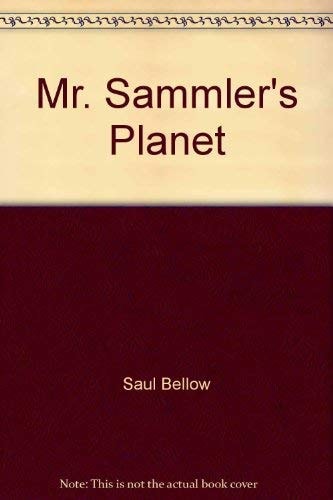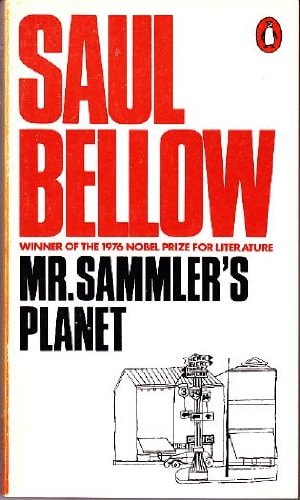
Mr. Sammler's Planet
0
0
As an Amazon Associate and affiliate partner, Menrva Books earns from qualifying purchases. Learn more
Author Description
Mr. Artur Sammler, Holocaust survivor, intellectual, and occasional lecturer at Columbia University in 1960s New York City, is a “registrar of madness,” a refined and civilized being caught among people crazy with the promises of the future (moon landings, endless possibilities). His Cyclopean gaze reflects on the degradations of city life while looking deep into the sufferings of the human soul. “Sorry for all and sore at heart,” he observes how greater luxury and leisure have only led to more human suffering. To Mr. Sammler—who by the end of this ferociously unsentimental novel has found the compassionate consciousness necessary to bridge the gap between himself and his fellow beings—a good life is one in which a person does what is “required of him.” To know and to meet the “terms of the contract” was as true a life as one could live. At its heart, this novel is quintessential moral, urbane, sublimely humane.
Menrva's Summary
THE PULSE
Artur Sammler, an elderly Holocaust survivor living in 1960s New York, struggles to maintain his intellectual detachment while witnessing the chaotic social and moral decay of the city. Sammler serves as a witness to the shifting cultural landscape, observing the rise of radicalism, crime, and the pursuit of technological progress with a critical, weary eye. His objective is to reconcile his European sensibilities and historical trauma with the frenetic, often violent reality of contemporary American life. The narrative framework is primarily third-person limited, focusing on Sammler's internal monologues and his interactions with a cast of eccentric, often demanding relatives and acquaintances.
INSIDE THE PAGES
- Dense, philosophical prose style
- Focus on the tension between Old World values and New World chaos
- Exploration of the Holocaust as a foundational trauma
- Satirical depiction of 1960s New York intellectual circles
- Use of the protagonist as a detached, observant 'registrar'
- Themes of moral duty and the 'terms of the contract' of existence
- Interplay between high-minded discourse and gritty urban realism
- Non-linear reflections on past survival and present disillusionment
THE COLLECTIVE ECHO
Discussion often centers on the novel's uncompromising critique of the 1960s counterculture and the perceived moral vacuum of the era. Readers frequently highlight the protagonist's unique voice, which balances profound erudition with a deep, cynical weariness born of historical tragedy. Critics often debate the effectiveness of Bellow's portrayal of urban decay, noting that the narrative prioritizes philosophical inquiry over traditional plot progression. The work is widely recognized for its examination of what constitutes a meaningful life in a society increasingly obsessed with material and technological advancement.
Page Count:
286
Publication Date:
1977-06-30
Publisher:
Penguin Books
ISBN-10:
0140044191
ISBN-13:
9780140044195
Fiction
Literary Fiction
Classics
Philosophical
Post-War
Contemporary
Urban
Modern Classics