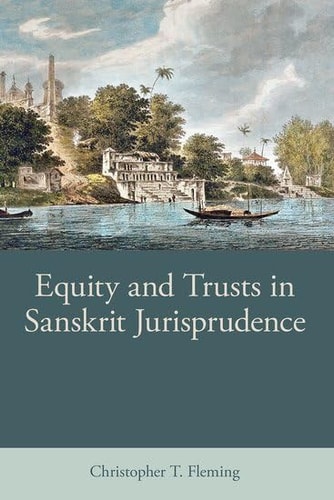
Equity and Trusts in Sanskrit Jurisprudence
0
0
As an Amazon Associate and affiliate partner, Menrva Books earns from qualifying purchases. Learn more
Author Description
No description available.
Menrva's Summary
THE THESIS
This work investigates the conceptual parallels and structural differences between the principles of equity and trust found in classical Sanskrit legal texts and those established in Western jurisprudence. The author, Christopher T. Fleming, utilizes a rigorous comparative methodology to analyze ancient Indian legal treatises, specifically focusing on how concepts of fiduciary duty, property management, and moral obligation were codified within the Dharmashastra tradition. By situating these Sanskrit texts within their historical and philosophical contexts, the book argues that indigenous Indian legal systems developed sophisticated mechanisms for managing assets and ensuring fairness that mirror modern equitable doctrines.
THE SCOPE MAP
What You Will Find
- Analysis of classical Sanskrit legal treatises and Dharmashastra literature.
- Comparative framework mapping Indian legal concepts to Western equity and trust law.
- Examination of fiduciary obligations and property management in ancient Indian society.
- Historical synthesis of legal evolution within the British Academy Monographs series.
THE AUTHORITY PERSPECTIVE
Experts in legal history and Indology recognize this monograph as a specialized contribution to the field of comparative jurisprudence. Readers frequently note the academic density of the prose and the author's meticulous attention to linguistic nuance in the original Sanskrit sources.
Page Count:
526
Publication Date:
2025-06-27
Publisher:
Oxford University Press
ISBN-10:
0197267874
ISBN-13:
9780197267875
Legal History
Sanskrit
Law
Jurisprudence
Systems Theory
Comparative Law
Tax Law
Community Tags
Similar Books