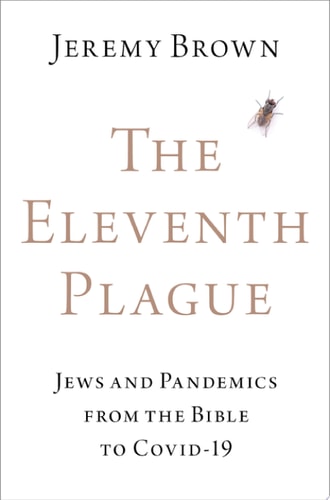
Eleventh Plague
0
0
As an Amazon Associate and affiliate partner, Menrva Books earns from qualifying purchases. Learn more
Author Description
In The Nineteenth Century, Rabbi Yehoshua Shlomo Ardit (1789-1876) Noted How Daily Life In The Towns And Villages Around Izmir In Western Turkey, Where He Lived, Was Controlled By A Predictable Cycle Of Plagues And Pandemics. Most Business, He Observed, Was Conducted During The Winter Months, While Marriages Were Arranged Around The Spring Festival Of Passover. But After Passover It Was Not Possible To Do So, Because Then The Overwhelming Majority Of People Became Ill With The Plague (may We Be Spared). Sometimes The Epidemic Would Last Until The End Of The Spring, Which Is Why Most Of The Inhabitants Would Have Left For The Villages And Other Hamlets. It Is Easy To Overlook This Eyewitness Account, For It Is Not Found In A Diary Or Journal, But In A Commentary On A Talmudic Tractate About The Laws Of Jewish Marriage Contracts. And Yet, The Reality Of Life In Nineteenth Century Turkey Was That Plagues And Pandemics Were So Common That You Could Set Your Jewish Calendar By Them
Menrva's Summary
THE THESIS
This book investigates how recurring epidemic cycles in nineteenth-century Turkey fundamentally structured the social, economic, and religious rhythms of Jewish life. Jeremy Phillip Brown, a scholar of Jewish history and religious texts, utilizes the writings of Rabbi Yehoshua Shlomo Ardit to demonstrate how public health crises were integrated into the fabric of daily existence. By analyzing a commentary on Talmudic marriage laws, the author argues that the plague was not merely an external threat but a predictable, calendar-defining event that dictated the timing of commerce and matrimonial arrangements.
THE SCOPE MAP
What You Will Find
- Historical analysis of nineteenth-century Jewish communities in the Izmir region of Turkey.
- Examination of primary source material found within rabbinic commentaries on Talmudic tractates.
- Documentation of the intersection between religious law and the practical realities of pandemic management.
- Evidence of how environmental and health factors influenced the seasonal migration patterns of local populations.
THE AUTHORITY PERSPECTIVE
Experts recognize this work as a unique contribution to the study of how historical religious texts can serve as repositories for social and medical history. Readers frequently note the author's ability to extract significant cultural insights from unexpected archival sources.
Page Count:
0
Publication Date:
2023-01-01
Publisher:
New York, NY, United States of America : Oxford University Press,
ISBN-10:
0197607217
ISBN-13:
9780197607213
History
Religious Aspects
Turkey
Pandemics
Jewish Studies
The Bible
Judaism
Epidemics
Social History
Epidemiology
Community Tags
Similar Books