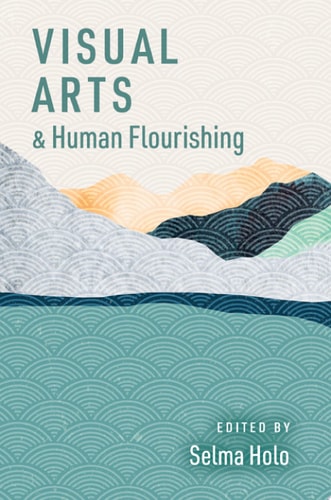
Visual Arts and Human Flourishing
0
0
As an Amazon Associate and affiliate partner, Menrva Books earns from qualifying purchases. Learn more
Author Description
In Mid-december, 2018, A Man Stood Before One Of The Most Beloved Paintings In Europe, Botticelli's The Birth Of Venus, And Had A Heart Attack (henri Neuendorf,artnet News, December 19, 2018 Https://news.artnet.com/art-world/heart-attack-botticelli-uffizi-1425448). Venus Is That Painting You're Thinking Of, The One With The Shapely, Wheat-haired Woman Standing In A Seashell, With One Hand Covering Her Breasts And The Other Holding Her Long, Golden Locks In Front Of Her Groin. Floating Above Her Right Shoulder Are Two Winged Figures With Their Arms Wrapped Around Each Other, Who Blow Air On Her Like Distant Kisses. On Her Left Stands A Woman (the Hora Of Spring?) Who Holds What Looks Like A Drape And Gazes Directly At Our Goddess, Whose Face, Tilted Just So, Looks Toward The Viewer With A Gentle Yet Mature Glance, As If She Was Born Knowing All One Needs To Know Of Love And Seduction. Fortunately, The Man Whose Heart Failed While Looking Back At Our All-knowing Venus Survived, But He Was Not The First To Collapse While Viewing Art In Florence, And No Doubt He Will Not Be The Last. It Has Happened Often Enough That There Is A Medical Term For The Phenomenon Named After The First Notable Man To Succumb, Stendhal Syndrome. Apparently The French Author Of On Love, A Treatise On Romantic Passion, Reported That He Fell Ill In 1817 After Viewing Too Much Florentine Art (bamforth 945). Is It Any Wonder That Botticelli's Winged Figures Hang On To Each Other So Tightly? To Be Awestruck Is To Be In Imminent Danger-- Provided By Publisher.
Menrva's Summary
THE THESIS
This work investigates the intersection of aesthetic experience and physiological response, specifically questioning why profound encounters with visual art can trigger intense physical reactions in viewers. Selma Holo, a scholar in museum studies and art history, utilizes historical anecdotes and medical case studies to examine the phenomenon of Stendhal Syndrome. She argues that the intensity of human engagement with masterworks is not merely a psychological abstraction but a visceral event that reflects the deep, often overwhelming, connection between human flourishing and artistic expression.
THE SCOPE MAP
What You Will Find
- Historical analysis of Stendhal Syndrome and its documentation in 19th-century literature.
- Case studies of physiological responses to iconic Renaissance art in Florence.
- Examination of the psychological impact of aesthetic awe on the human body.
- Theoretical framework linking art appreciation to the broader concept of human flourishing.
THE AUTHORITY PERSPECTIVE
Experts in the field of museum studies and art psychology recognize this text as a unique bridge between medical history and art criticism. Readers frequently note the accessible yet scholarly tone, which provides a clear entry point for understanding the physical manifestations of aesthetic appreciation.
Page Count:
248
Publication Date:
2024-12-03
Publisher:
Oxford University Press
ISBN-10:
0197748945
ISBN-13:
9780197748947
Philosophy
Psychology
Politics
Non-Fiction
Other Media
Humanities
Public Art
Art History