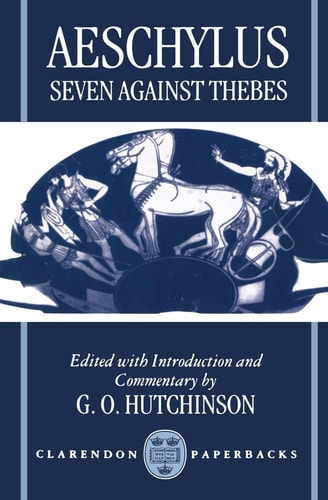
The Seven Against Thebes
0
0
As an Amazon Associate and affiliate partner, Menrva Books earns from qualifying purchases. Learn more
Author Description
Though the Septem has been the focus of much scholarly attention in recent decades, this powerful drama remains difficult for modern readers, presenting great problems of text and interpretation. The text of this major edition differs substantially from other current versions and the commentary draws on literature, art, and inscriptions to illuminate the work and its details by placing them in the context of Greek culture and society, and by showing how conventions are used, modified and distorted. Particular attention is given to style and language, to dramatic and literary structures and forms, and to the exploitation of religion and ritual.
Menrva's Summary
THE PULSE
The play centers on the fratricidal conflict between Eteocles and Polynices as they prepare to battle for control of Thebes. Eteocles, the king of Thebes, must defend his city against an invading army led by his exiled brother, Polynices. The narrative follows the king's strategic preparations and his internal struggle as he confronts the curse placed upon his house by his father, Oedipus. The play utilizes a formal structure characterized by choral odes and intense dialogue to explore the inevitability of fate and the weight of ancestral guilt.
INSIDE THE PAGES
- Use of the traditional Greek chorus to provide commentary and emotional weight
- Focus on the theme of dynastic curse and divine intervention
- Exploration of the moral conflict between civic duty and familial loyalty
- Stylistic emphasis on formal rhetoric and elevated language
- Integration of ritualistic elements and religious symbolism
- Dramatic tension built through the description of the seven gates of Thebes
- Examination of the psychological state of the protagonist under pressure
- Structural reliance on stichomythia to heighten the conflict between characters
THE COLLECTIVE ECHO
Readers and scholars frequently discuss the play's unique position within the Theban cycle and its intense focus on the character of Eteocles. Discussion often centers on the tension between the protagonist's role as a military leader and his identity as a cursed descendant of Oedipus. Critics highlight the effectiveness of the choral passages in establishing the atmosphere of impending doom that permeates the city. The work is noted for its rigorous adherence to classical dramatic conventions while simultaneously challenging the audience's perception of justice and fate.
Page Count:
296
Publication Date:
1994-12-29
Publisher:
Clarendon Press
ISBN-10:
0198149999
ISBN-13:
9780198149996
Drama
Plays
Classical
Greek
Tragedy
Dramatic works
Community Tags
Other Editions(13)
Creative Media Partners, LLC
2021
Default edition
Eternal Chrysostom LLC
2021
Independently Published
2019
Dancing Unicorn Books
2017
CreateSpace Independent Publishing Platform
2016
SMK Books
2015
CreateSpace Independent Publishing Platform
2012
Dodo Press
2009
Dover Publications
2000

Players Press
1998
Players Press
1998
Clarendon Press
1994
Oxford University Press
1974
Similar Books

Reader Comments
Share Your Thoughts
No comments yet. Be the first to share your thoughts!