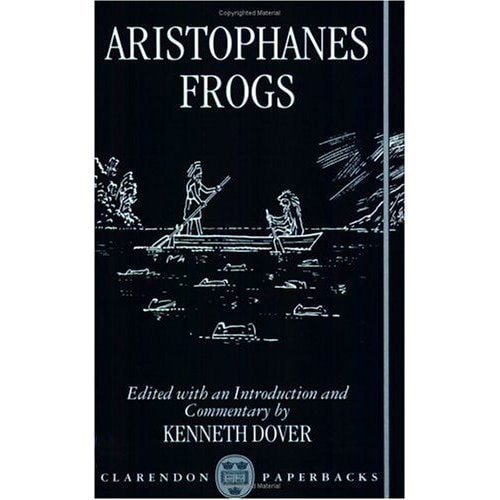
Frogs
0
0
As an Amazon Associate and affiliate partner, Menrva Books earns from qualifying purchases. Learn more
Author Description
Among extant Greek comedies, the Frogs is unique for the light it throws on classical Greek attitudes to tragedy and to literature in general. Sir Kenneth Dover's authoritative edition, which drew together the relevant scholarship in a full introduction and extensive commentary, has been the most comprehensive edition available. The general purpose and character of this abridged version remains the same: to provide a helpful guide for students who wish to translate the play or need to interpret it for performance. In this edition nothing relevant to the performance of the play on stage has been sacrificed, while information on manuscripts and discussion of the history of the text have been pared to a minimum, and arguments on metrical analysis and other controversial points have been abbreviated. A few conclusions reached in the original edition have been changed in the light of the work done by other scholars since 1993. The inclusion of a vocabulary should reduce the need for students to have recourse to a lexicon.
Menrva's Summary
THE PULSE
The god Dionysus descends into the underworld to bring the playwright Euripides back to life, only to find himself acting as the judge in a poetic contest between Euripides and Aeschylus. Disguised as Heracles, Dionysus navigates the treacherous landscape of Hades to restore the glory of Athenian theater. He faces the physical dangers of the afterlife and the logical absurdity of a divine bureaucracy, all while attempting to discern which poet possesses the wisdom necessary to save a crumbling city. The narrative unfolds through a series of satirical encounters and a climactic debate that challenges the very nature of artistic merit and civic duty.
INSIDE THE PAGES
- Satirical commentary on contemporary Athenian politics and social decay
- Meta-theatrical dialogue regarding the function and quality of tragic poetry
- Use of the chorus to provide rhythmic transitions and thematic reinforcement
- Absurdist humor derived from the protagonist's cowardice and incompetence
- Parody of mythological tropes and heroic archetypes
- Structured debate format between two competing literary figures
- Linguistic playfulness and rhythmic verse characteristic of Old Comedy
- Exploration of the tension between traditional values and modern innovation
THE COLLECTIVE ECHO
Discussion often centers on the play's unique position as a piece of literary criticism disguised as a comedic romp. Readers frequently highlight the sharp contrast between the slapstick humor of the first act and the intellectual rigor of the final debate. Critics often note that the work serves as a vital window into the cultural anxieties of the late fifth century BCE. The balance between character-driven comedy and serious thematic inquiry remains a primary focus for scholars and performers alike. This work continues to be examined for its enduring influence on the development of Western dramatic theory and satire.
Page Count:
416
Publication Date:
1993-05-27
Publisher:
Oxford University Press
ISBN-10:
0198147732
ISBN-13:
9780198147732
Drama
Comedy
Greek
Classical
Dramatic works
Plays
Community Tags
Other Editions(20)

Independently Published
2019
Default edition
Independently Published
2019
CreateSpace Independent Publishing Platform
2017
Creative Media Partners, LLC
2015
Creative Media Partners, LLC
2015
Hackett Publishing
2015

Floating Press, The
2014
Hackett Publishing
2013
Digireads.com Publishing
2013
CreateSpace Independent Publishing Platform
2012
CreateSpace Independent Publishing Platform
2011
General Books LLC
2010
General Books LLC
2010
RicherResourcesPublications
2008

Kessinger Publishing, LLC
2004

Textbook Publishers
2003
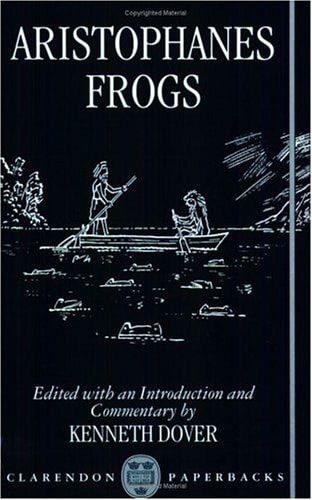
Clarendon Press
1994
Oxford University Press
1993
Bristol Classical Press
1983

Oxford University Press
1978
Similar Books
Reader Comments
Share Your Thoughts
No comments yet. Be the first to share your thoughts!