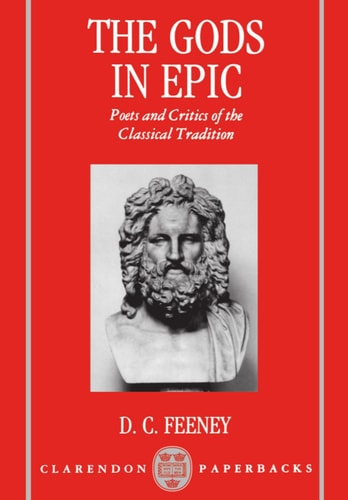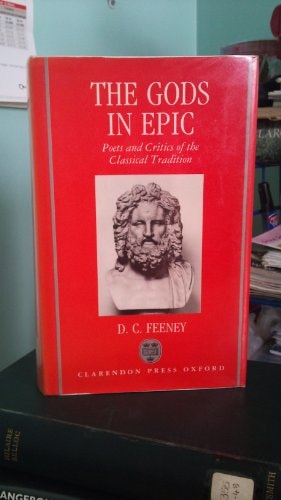
The Gods in Epic: Poets and Critics of the Classical Tradition
0
0
As an Amazon Associate and affiliate partner, Menrva Books earns from qualifying purchases. Learn more
Author Description
This is the first study devoted to the classical literary tradition as a whole, together with the apparatus of critical scholarship which was part of that tradition. The work of the ancient critics provides some access to the interpretative conventions of the original reading community, while their theories of fiction and genre may also shed light on the problems of the truth-value of epic fiction and the kind of belief that poetry generates. Focusing on the poets themselves, Feeney explores the themes associated with each poet, including the fiction of Apollonius, allegory in the work of Statius, and anthropomorphism in Ovid's work.
Menrva's Summary
THE THESIS
This study investigates the function and representation of divine figures within the classical epic tradition and the accompanying critical scholarship that shaped their interpretation. D. C. Feeney, a scholar of Latin literature, examines how ancient poets and critics navigated the complex relationship between mythological belief and literary fiction. By analyzing the works of major epic poets, the author constructs a framework for understanding how these texts were intended to be read and understood by their original audiences. The book addresses the tension between the literal presence of gods in narrative and the allegorical or symbolic interpretations applied by contemporary and later critics.
THE SCOPE MAP
What You Will Find
- Analysis of divine anthropomorphism in Ovid's poetry
- Examination of allegorical techniques in the works of Statius
- Exploration of the fiction of Apollonius
- Discussion of ancient critical theories regarding genre and truth-value in epic poetry
THE AUTHORITY PERSPECTIVE
Scholars frequently cite this work as a foundational text for understanding the intersection of theology and literary theory in the ancient world. Readers often note the academic density of the prose, which provides a rigorous examination of the classical tradition for advanced students and researchers.
Page Count:
464
Publication Date:
1991-08-15
Publisher:
Oxford University Press
ISBN-10:
019814055X
ISBN-13:
9780198140559
History
Poetry
Criticism history
Literary Criticism
Epic Poetry