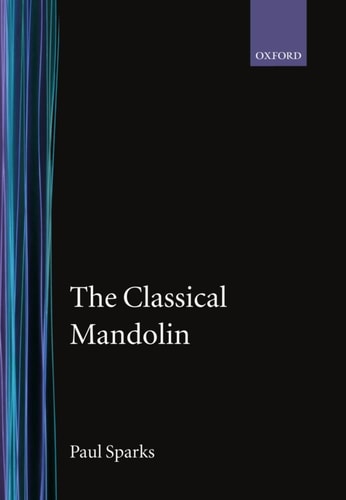
The Classical Mandolin
0
0
As an Amazon Associate and affiliate partner, Menrva Books earns from qualifying purchases. Learn more
Author Description
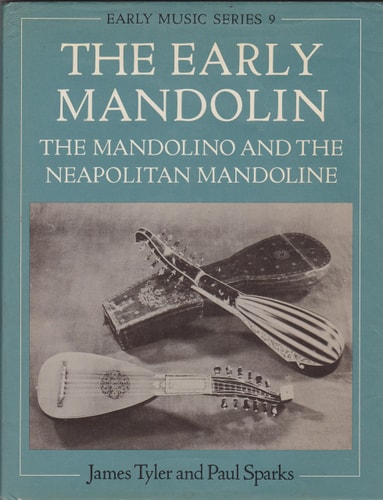
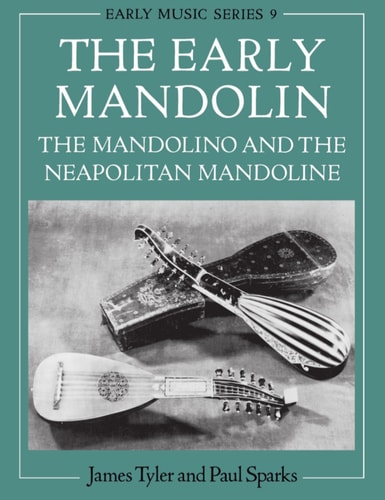
Although the mandolin is now regarded as a marginal instrument in the classical music world, a century ago it was one of the most widely played instruments in Europe and North America. Regularly used in operas and symphonies, and forming the basis of plucked instrument orchestras, the mandolin could also be heard in major concert halls. The Classical Mandolin traces the rise of the modern Neapolitan mandolin, examines the lives and works of leading specialist composers (such as Raffaele Calace and Carlo Munier), and looks at its use by mainstream composers from Verdi and Mahler to Schoenberg and Boulez. The mandolin's enduring popularity in folk music is also discussed. Sparks looks finally at present-day orchestras and soloists, examines aspects of technique, and offers guidance on specialist organisations worldwide.
Menrva's Summary
THE THESIS
This book investigates the historical trajectory and cultural significance of the mandolin, questioning how an instrument once central to European and North American musical life became marginalized in the classical sphere. Paul Sparks, a recognized authority on plucked instruments, utilizes extensive archival research and musicological analysis to document the mandolin's evolution from the Neapolitan tradition to its integration into orchestral works by major composers. The text provides a comprehensive framework for understanding the instrument's shifting status across centuries of musical development.
THE SCOPE MAP
What You Will Find
- A detailed history of the modern Neapolitan mandolin and its rise to prominence.
- Biographical examinations of specialist composers including Raffaele Calace and Carlo Munier.
- Analysis of mandolin usage in works by mainstream composers such as Verdi, Mahler, Schoenberg, and Boulez.
- Practical guidance on contemporary mandolin technique, performance organizations, and the instrument's role in folk traditions.
THE AUTHORITY PERSPECTIVE
Experts and musicologists regard this work as a foundational text for understanding the mandolin's place within the classical canon. Readers frequently note the academic rigor and the clarity with which Sparks contextualizes the instrument's technical and historical evolution.
Page Count:
240
Publication Date:
1995-06-08
Publisher:
Clarendon Press
ISBN-10:
0198162952
ISBN-13:
9780198162957
Music
Mandolin
Music History
Instruments
Musicology
Community Tags
Other Editions(3)


Similar Books