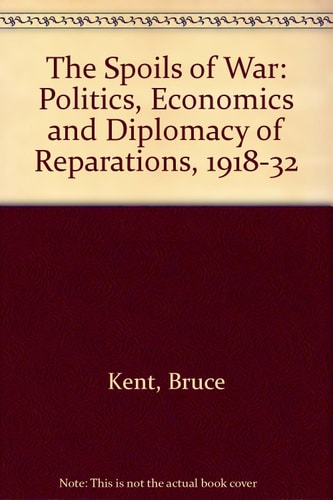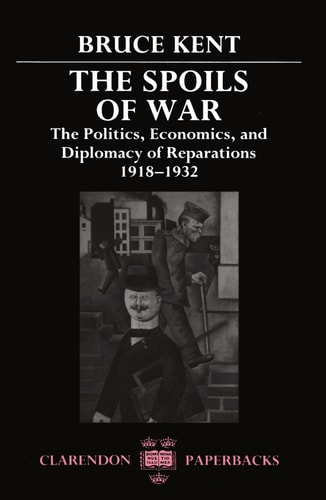
The Spoils of War: The Politics, Economics, and Diplomacy of Reparations 1918-1932
0
0
As an Amazon Associate and affiliate partner, Menrva Books earns from qualifying purchases. Learn more
Author Description
This is the first comprehensive account of the dispute over who should "pay" for World War I--a dispute which poisoned international relations, destabilized the world's financial system, and contributed to the rise of the Nazis in the 1920s and 1930s. Kent argues that the victors had no coherent policy of eliminating Germany as a commercial or strategic threat, and that the illusion of indemnity was fostered by British, French, and American statesmen to both conceal the financial implications of the war and defuse radical agitation for heavy taxation.
Menrva's Summary
THE THESIS
This work investigates the complex interplay of politics, economics, and diplomacy surrounding the reparations imposed on Germany following World War I. Bruce Kent, a historian specializing in international relations, utilizes primary archival records and financial data from the interwar period to challenge conventional narratives. He argues that the reparations policy was not a calculated strategy to dismantle Germany, but rather a political facade maintained by Allied leaders to manage domestic public opinion and avoid the immediate fiscal realities of post-war reconstruction.
THE SCOPE MAP
What You Will Find
- A detailed analysis of the reparations dispute between 1918 and 1932.
- Examination of the financial policies of Britain, France, and the United States.
- Discussion of the socio-political impact of reparations on the rise of radicalism in Germany.
- A critique of the diplomatic failures that destabilized the global financial system.
THE AUTHORITY PERSPECTIVE
Historians and political scientists frequently cite this text as a foundational analysis of the economic mismanagement that defined the interwar era. Experts highlight the author's ability to synthesize dense financial data with the political realities of the time, making it a standard reference for understanding the origins of the Great Depression and the collapse of the Weimar Republic.
Page Count:
480
Publication Date:
1992-10-15
Publisher:
Clarendon Press
ISBN-10:
0198202229
ISBN-13:
9780198202226
History
Economics
Diplomacy
International relations